
The Story
Why it exists.
The beginning
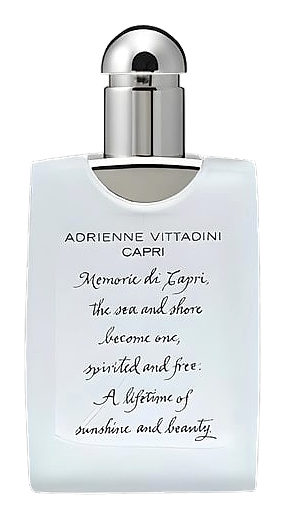
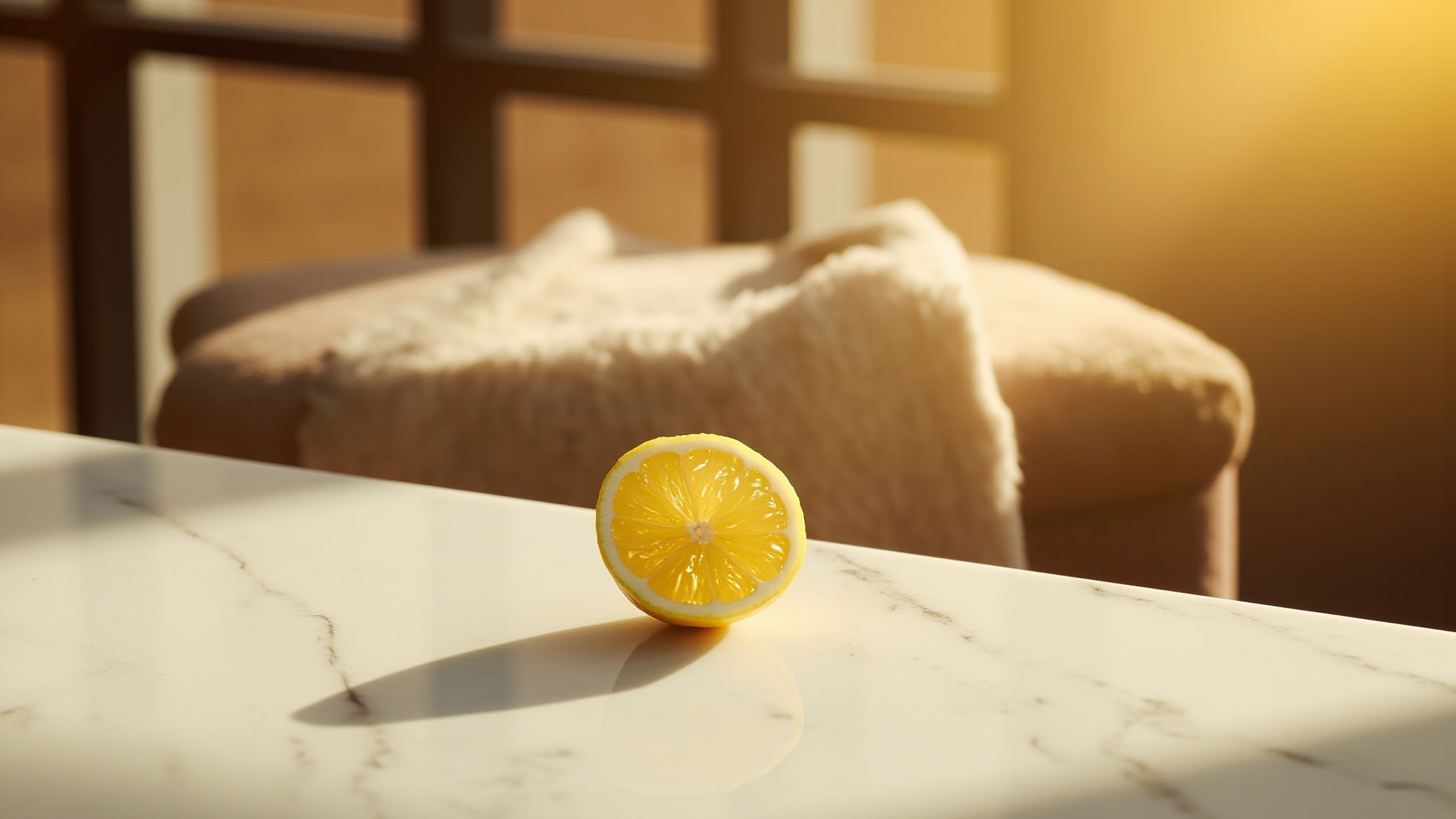
Capri arrived in 2003, designed by Annie Buzantian as a fragrance that could carry the Italian island's unmistakable energy, that particular blue of the Tyrrhenian Sea, the heat off limestone cliffs, the lemon groves above the harbor. The brief wasn't complexity. It was clarity. A scent that could open a window and let the breeze through.
The pyramid is lean: lemon zest up top, iris and Brazilian rosewood at the heart, oakmoss and musk anchoring the base. That structure is deliberate. It keeps the fragrance from sprawling, everything serves a single mood, a single hour. The iris is the pivot point, powdery and violet-soft, bridging the citrus brightness and the mossy warmth beneath. Brazilian rosewood, now a restricted material, gives the heart a warm, slightly sweet woodiness that modern rosewoods can't quite replicate.
The evolution
The lemon zest opens bright and doesn't apologize for it, clean, sharp, citrus that reads as morning rather than cleaning product. Within ten minutes the iris begins to assert itself, pulling the composition from citrus toward something powdery and floral. The handoff takes about twenty minutes, and it is smooth. Brazilian rosewood glides underneath, adding warmth without weight. By the second hour the oakmoss emerges, earthy, green, a little old-fashioned in the best way. The musk settles last, close to the skin, almost an afterthought that makes everything before it feel warmer than it was. On fabric, it lasts into the evening. On skin, count on four to six hours depending on your chemistry.
Cultural impact
Capri sits comfortably within the early-2000s tradition of accessible American women's fragrances, the era of Light Blue, Tommy Girl, and the body mist boom. It never reached the cultural saturation of those names, but that restraint is part of its appeal. The composition reads as timeless rather than dated precisely because it didn't chase trends. For wearers who remember it, Capri carries the particular nostalgia of a specific afternoon, not a special occasion, just a good day that happened to smell like this.
The House
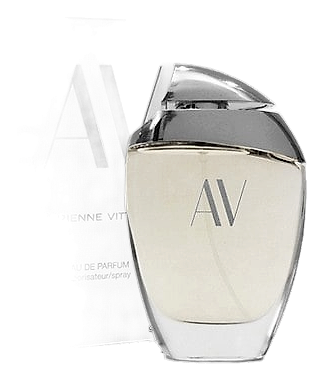
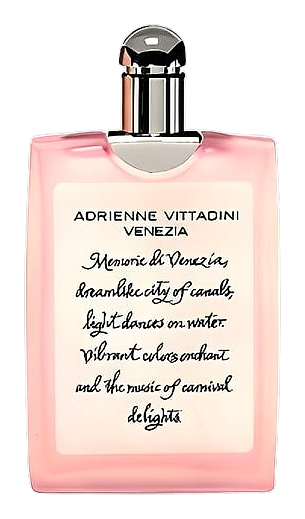
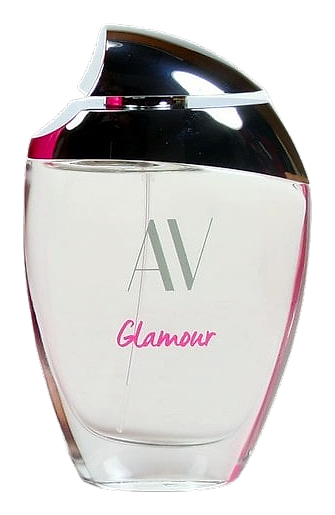
Adrienne VittadiniAdrienne Vittadini began as an American fashion label in 1979 and later expanded into fragrance. The brand carries the founder's name and is recognized for clean, modern designs that translate into scent compositions. Since the mid‑1990s the house has released a steady stream of women's perfumes, each built around approachable floral, citrus or fresh accords. The collection includes AV (1994), Midnight Blossom (1999), Venezia (2002), Amore (2006) and AV Glamour (2013), among others. Today the brand sits at the intersection of style and scent, offering products that echo the same ease and contemporary elegance that defined its early clothing lines.
The Creator
Annie BuzantianAnnie favors a structural approach, building around a strong heart that anchors the perfume. She often chooses violet, heliotrope, and lilac to add a soft floral edge, then balances them with musk and warm woods for longevity.