





The Heritage
The Story of Adrienne Vittadini
Adrienne Vittadini began as an American fashion label in 1979 and later expanded into fragrance. The brand carries the founder's name and is recognized for clean, modern designs that translate into scent compositions. Since the mid‑1990s the house has released a steady stream of women's perfumes, each built around approachable floral, citrus or fresh accords. The collection includes AV (1994), Midnight Blossom (1999), Venezia (2002), Amore (2006) and AV Glamour (2013), among others. Today the brand sits at the intersection of style and scent, offering products that echo the same ease and contemporary elegance that defined its early clothing lines.
Heritage
Adrienne Vittadini was born on October 9, 1943, in Győr, then part of the Kingdom of Hungary. She emigrated to the United States with her family in the 1950s, eventually settling in Chicago where she launched her eponymous fashion label in 1979. The brand quickly earned a reputation for knitwear that combined comfort with a sleek, modern silhouette, a niche that resonated with American shoppers seeking both practicality and style. By the early 1980s the label had broadened its offerings to include ready‑to‑wear, accessories and a growing retail presence across department stores. In 1994 the company introduced its first fragrance, simply titled AV, marking a strategic move into the beauty sector. The scent featured a blend of floral and citrus notes and was positioned as an extension of the brand's aesthetic of understated sophistication. Subsequent releases such as Midnight Blossom (1999) and Venezia (2002) continued this trajectory, each emphasizing a fresh, wearable character rather than overt opulence. The 2006 launch of Amore added a warmer, more romantic dimension, while AV Glamour in 2013 reaffirmed the house’s commitment to contemporary femininity. Over the decades the brand has maintained a consistent visual language across clothing and perfume, favoring clean lines, soft palettes and a focus on everyday elegance. While the fashion side has seen periods of restructuring, the fragrance line remains active, distributed through major retailers and online platforms, and continues to reflect the founder’s original vision of modern, accessible style.
Craftsmanship
Adrienne Vittadini fragrances are produced in partnership with established perfume houses that handle formulation, ingredient sourcing and quality control. The brand works with external perfumers who craft each scent around a central theme, such as the floral‑citrus focus of AV (1994) or the soft fruit nuances of Midnight Blossom (1999). Raw materials are sourced from reputable suppliers in Europe and the United States, with an emphasis on ingredients that meet IFRA (International Fragrance Association) standards for safety. Production takes place in licensed facilities that follow Good Manufacturing Practices, ensuring batch consistency and regulatory compliance. Bottles are filled using automated lines that minimize contamination risk, and each batch undergoes stability testing to verify scent integrity over time. The packaging process incorporates recyclable glass and plastic components, aligning with the brand’s understated aesthetic while reducing environmental impact. Quality assurance teams perform sensory evaluations on each release before market launch, confirming that the final product matches the intended olfactory profile.
Design Language
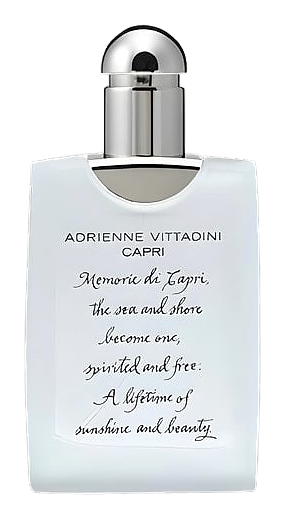
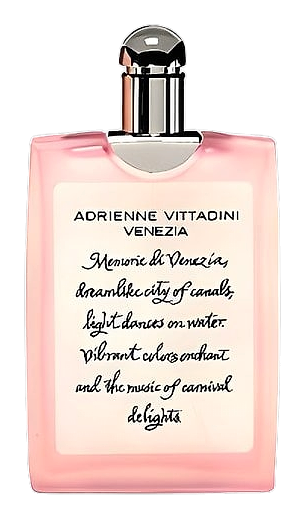
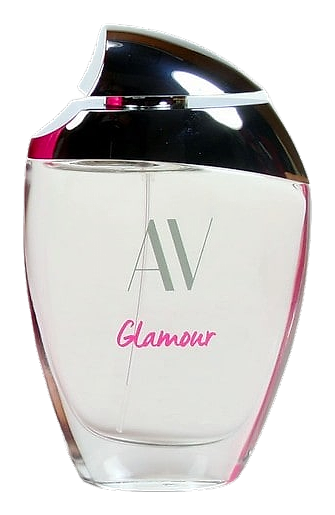
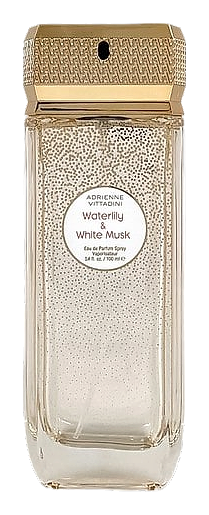
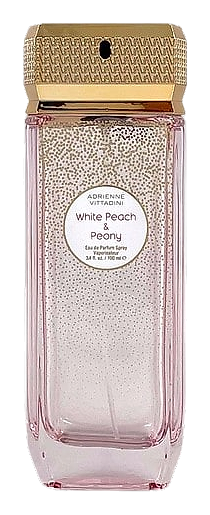
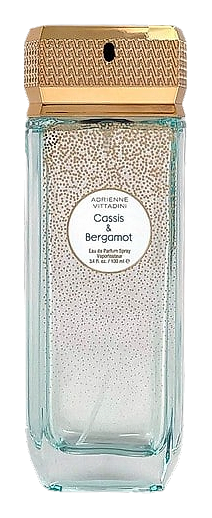
Visually, Adrienne Vittadini presents a restrained, contemporary look. The logo—a stylized script of the founder’s name—appears in soft, muted tones across marketing materials and product packaging. Fragrance bottles typically feature a simple, rounded silhouette with a slender neck, echoing the clean lines of the fashion collections. Color palettes favor pastel pinks, gentle blues and neutral creams, reinforcing a sense of calm sophistication. Labels are printed in a modest serif typeface, and the overall presentation avoids excessive ornamentation. Advertising imagery often showcases the perfume alongside casual yet elegant attire, reinforcing the brand’s narrative of everyday luxury. The visual language extends to retail displays, where the scent line is positioned alongside clothing accessories, creating a cohesive brand environment that highlights the seamless transition from wardrobe to fragrance.
Philosophy
The creative direction of Adrienne Vittadini rests on a belief that style should feel effortless and inclusive. The brand’s statements emphasize modern sophistication without pretense, aiming to create pieces and scents that fit seamlessly into daily life. In fragrance development the house prioritizes wearability; compositions are built around clear, recognizable notes that appeal to a broad audience while retaining a signature freshness. The label avoids niche experimentation in favor of balanced blends that can transition from office to evening. Sustainability is addressed through selective sourcing of ingredients that meet industry safety standards, and packaging choices often reflect the brand’s minimalist visual identity. Overall, the philosophy is to translate the founder’s personal approach to fashion—clean cuts, comfortable fabrics, and a subtle color palette—into olfactory experiences that feel both familiar and refined.
Key Milestones
1943
Adrienne Vittadini is born in Győr, Hungary.
1979
Launch of the Adrienne Vittadini fashion label in Chicago.
1994
Introduction of the first Adrienne Vittadini fragrance, AV.
1999
Release of AV Midnight Blossom, expanding the scent portfolio.
2002
Launch of Venezia, a fragrance featuring fresh aquatic notes.
2006
Amore debuts, adding a warmer, romantic dimension to the line.
At a Glance
Brand profile snapshot
Origin
United States
Founded
1979
Heritage
47
Years active
Collection
1
Fragrances released
Avg Rating
4.0
Community sentiment
Release Rhythm


