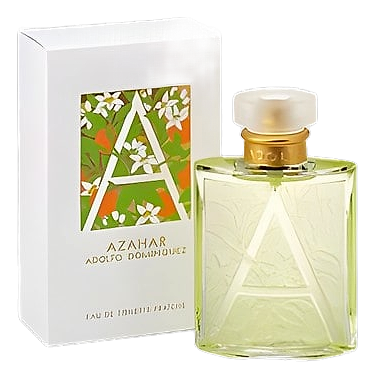

The Story
Why it exists.
The beginning
In 2002, Ramon Monegal approached Azahar with a clear-eyed brief: capture an entire orange tree, not just its flowers. The name itself carries weight, azahar, from the Arabic word for orange blossom, rooted in the Andalusian heritage that still runs through Mediterranean culture. Monegal built the composition around that single botanical: leaves, blossoms, the wood beneath. No excess. No performance. The goal was transparency, letting each part of the tree arrive clean and unmanipulated.
What makes Azahar distinctive is its structural honesty. Where many fragrances extract a single element from a plant and amplify it, Azahar attempts the opposite, it pulls back. The African orange flower and neroli don't compete for dominance; they settle into each other like parts of the same breath. The woody base isn't a fixative doing structural work, it's a quiet reminder that beneath the blossoms, the tree still stands. This legato quality, no single note shouting over another, is what gives the composition its Mediterranean character.
The evolution
The opening arrives bright and immediate. Orange and petitgrain hit the skin together, delivering that first-morning-in-the-grove sensation, green, almost vegetable, the smell of a leaf crushed between thumb and forefinger. Within minutes, the orange blossom emerges. It doesn't bloom dramatically; it softens. The floral heart reads as neroli more than the actual orange flower, delicate, waxy, intimate. The transition into the drydown is where patience pays off. The woody notes don't arrive so much as reveal themselves, a quiet cedar warmth that sits close to skin, like sun-warmed bark. Lasting power hovers around 4-6 hours on most skin types. On fabric, it lingers longer, a faint trace that survives a few hours past the skin drydown. Projection is moderate throughout. You'll smell it. The person beside you might, if they're standing close.
Cultural impact
Azahar arrived in 2002 as part of Adolfo Domínguez's broader lifestyle philosophy, where fashion, fragrance, and everyday objects shared a commitment to restraint and natural material. The Spanish brand had built its identity on limpia arquitectura, clean lines, and honest construction, and the fragrance carried that same sensibility into the perfume world. Ramon Monegal, trained in natural extraction, composed Azahar as a study in orange blossom transparency rather than constructed accords.