
The Story
Why it exists.
The beginning
Every fragrance by Adi Ale Van is a chapter in a larger story. This one begins in the Carpathian mountains, where for two decades after World War II, groups of anti-communist partisans refused to disappear. Hunted by security forces, militia, and army, they carried the mountain air in their lungs, breathing in pine resin and wild herbs as seasons changed. The landscape itself became part of their story, and Leaves in the Wind captures that spirit. Perfumer Michele Marin composed this fragrance to honor the atmosphere of those years, weaving the cool, green clarity of high altitude with deeper, darker undertones of earth and smoke that speak to the hardships endured.
What makes this extraction unusual isn't a single ingredient, it's the accumulation. Castoreum and civet together form an animalic core that most houses soften or bury beneath sweeter accords. Here, they're structural. They don't recede as the composition develops. The 60% natural formula means the smoke from birch and frankincense reads as actual combustion, not a synthetic approximation. The dust note, present in the heart, captures the interior of old places, places where history settled into the walls. This isn't a fragrance that smells like leather. It smells like what leather absorbed.
The evolution
The opening arrives fast: black pepper and tobacco, bright and sharp, the only moment of clarity before the composition closes in. Magnolia arrives subtly, threading through the spice with a soft floral presence. Within twenty minutes, the leather takes over, heavy, animalic, threaded with smoke from what might be a campfire or might be something older. A dusty quality surfaces here, the smell of old rooms and old secrets. Castoreum announces itself around the one-hour mark, woven into the leather and smoke as the composition deepens. Birch smoke curls underneath, adding an organic, lived-in character. This is the heart of the story, where everything converges into something dense and layered. The drydown settles into warm amber and vetiver, intimate and close, the leather persisting as a quiet reminder while the smoke fades last.
Cultural impact
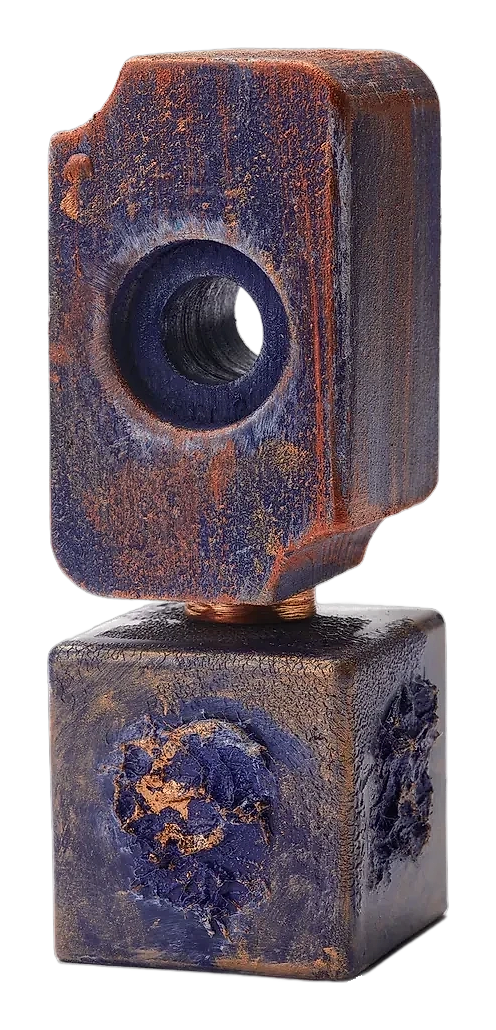
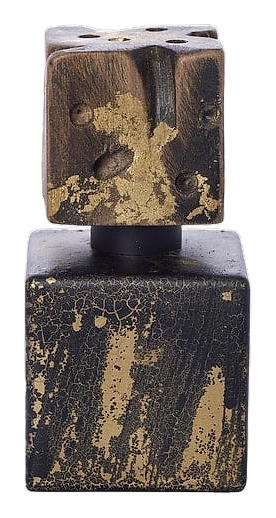
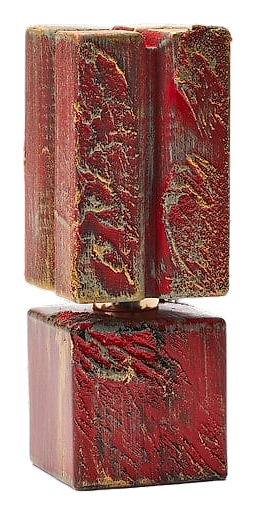
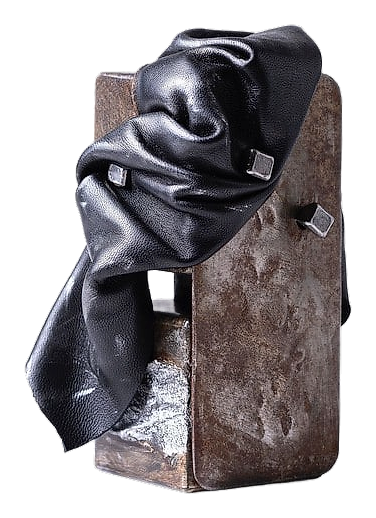
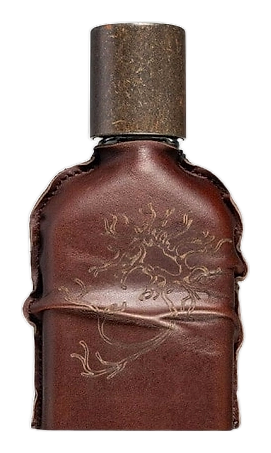
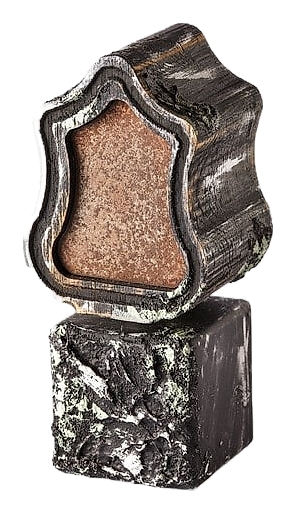
Adi Ale Van occupies a specific position among niche collectors: fragrances that function as conceptual art objects rather than luxury accessories. The distinctive bottles and limited production attract those who value handmade imperfection as a marker of authenticity. Leaves in the Wind has drawn particular attention for its unapologetic use of animalic materials, castoreum and civet presented without apology, in a market that often softens or buries these notes. The narrative framing around Romanian partisan history gives it a cultural specificity rare in contemporary perfumery.