The Story
Why it exists.
The beginning
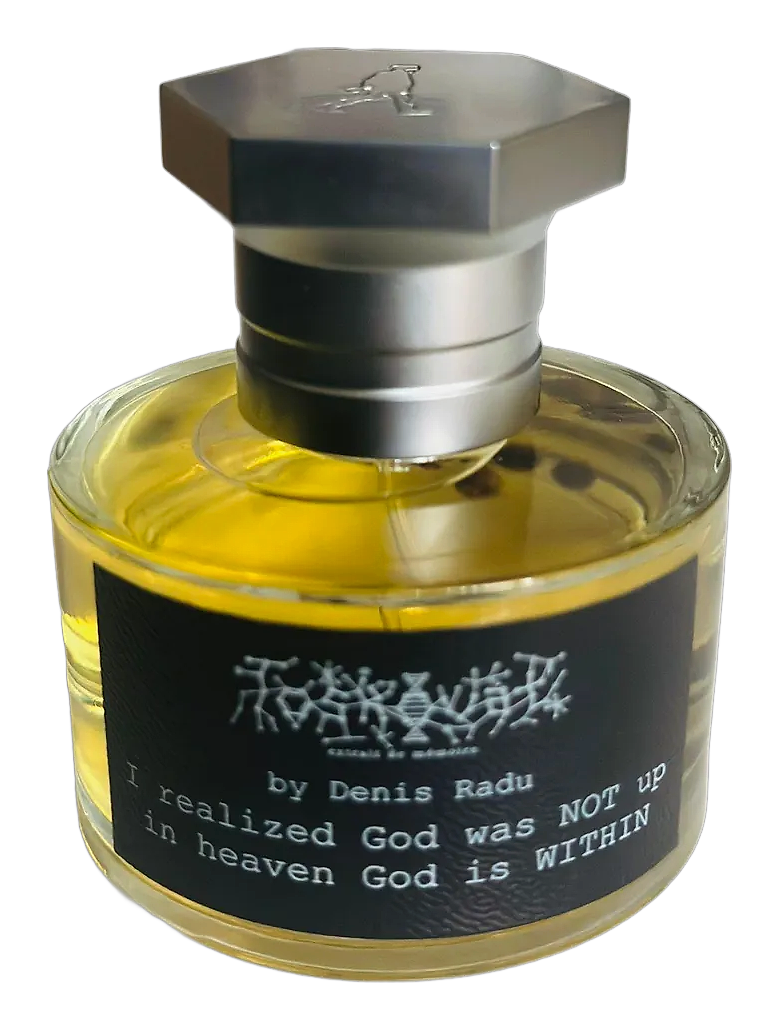
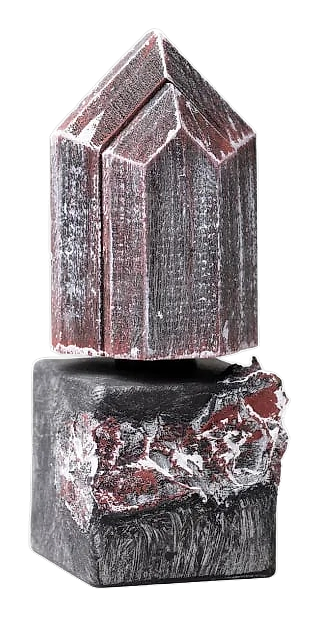
Gun Shadows, Iron Potion was released by Adi Ale Van, a house whose bottle design for this release is credited to the same artist who gives the house its name. The release positions itself as autobiographical, drawn from personal experience rather than built around a marketing concept. That framing matters here, because the scent doesn't aim to flatter. It aims to recall. There's a rawness to the premise, a sense that the fragrance is being offered as a fragment of memory or feeling rather than a crowd-pleasing composition. The name says it plainly: iron, shadow, gun. The promise isn't beauty in the conventional sense. The promise is presence.
What makes this composition unusual is how literal its materials are. Blood and metallic notes at the top, aged paper and cigarette at the heart, ink and newspaper at the base. Rather than reaching for convention, the formula builds from the named ingredients themselves, letting each component carry its own weight in the structure. The result is a fragrance that doesn't interpret its own concept, it constructs it from the ground up, using materials that reference ink, paper, and iron without pretending to be something gentler.
The evolution
The opening hits sharp and brassy, with metallic notes and blood carrying a mineral quality that reads almost like cold steel held close to the face. There's a clarity to it, an absence of softness that makes the first few minutes feel more like an object than a scent. Then something unexpected begins to surface: warmth. Liqueur arrives, sweet and low, wrapped around aged paper that softens the iron into something almost domestic. The heart phase settles into a lived-in space where the cigarette note adds a dry, ashen layer that threads through the sweetness without flattening it. As the hours pass, the paper starts to read more like ink, taking on the quality of something freshly marked rather than something already printed. The final stretch is woody, dry, and surprisingly quiet.
Cultural impact
Gun Shadows, Iron Potion fits the kind of collector who buys scent as concept rather than as accessory. Its audience leans toward narrative and material, and the release leans into that by working with materials most houses would never combine in a single composition: blood and metallic notes at the top, aged paper and cigarette at the heart, ink and newspaper at the base. The result reads as a deliberate exercise in using literal aromatics rather than suggesting them through safer conventions.