The Story
Why it exists.
The beginning
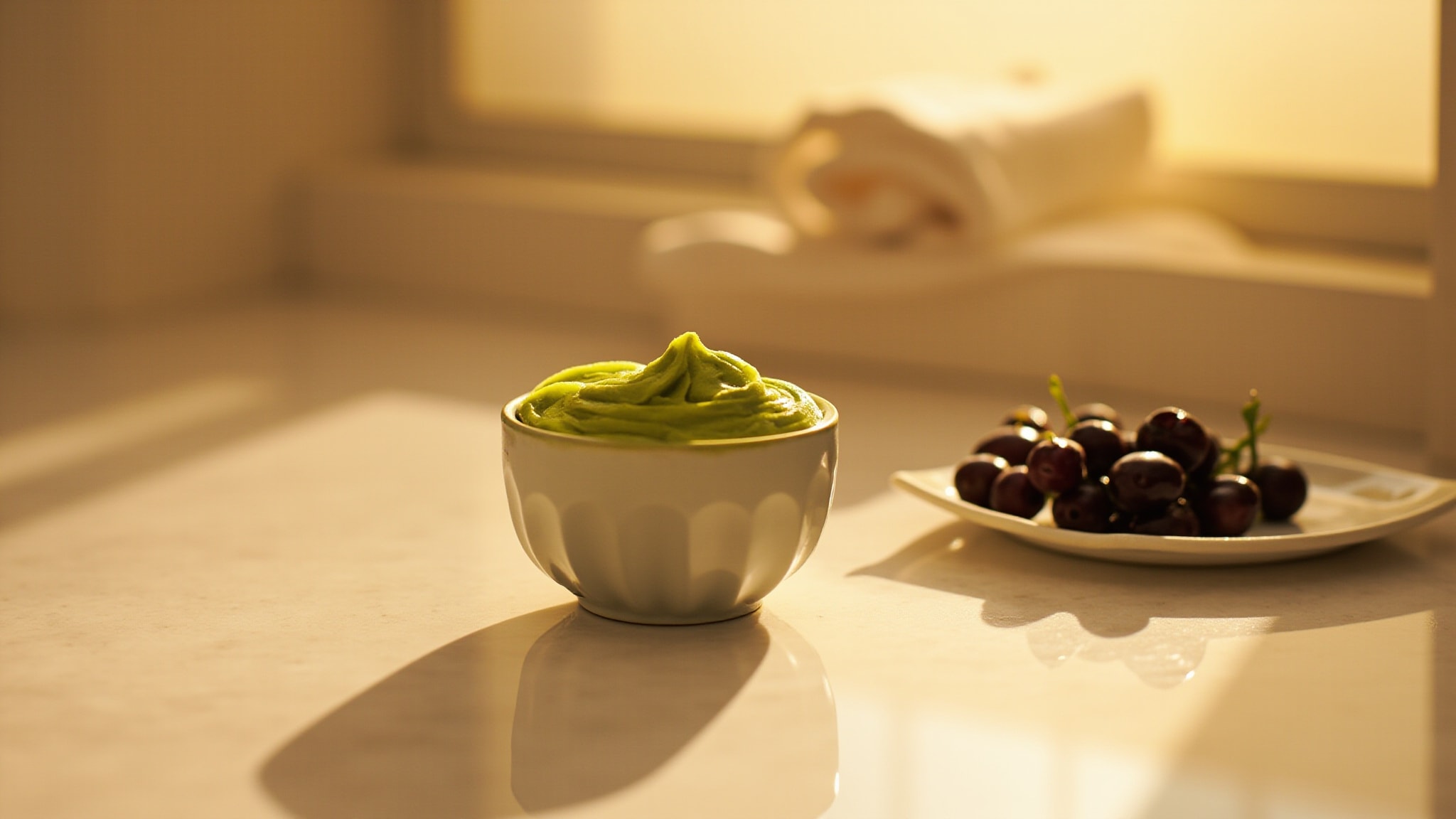
Uluwatu carries a name that evokes a specific place, though the reference is deliberately abstracted. The perfumer Ilias Ermenidis built Uluwatu around a duality from the start: a fragrance that would open sharp and green but resolve into warmth and closeness. The execution required finding the exact ingredient to bridge those two worlds without letting either side win. Matcha became that ingredient, not green tea's generic freshness, but something with bitterness and weight, an almost contemplative edge that demands attention before it yields to the florals waiting beneath. The tension between these elements creates something that feels both immediate and layered, a scent that asks something of the wearer before offering its rewards.
What makes Uluwatu's structure interesting is how it refuses to let the opening and the drydown share the same language. The top is tart, bright, assertive, blackcurrant and lemon create that immediate hit of energy, but the matcha undercuts it with something unexpected. Matcha in fragrance isn't common, and when it appears, it tends toward the medicinal or the green-generic. Here, the matcha takes on a role more often reserved for top notes, bringing unusual complexity that keeps the composition from settling into predictable territory.
The evolution
The opening lands bright and tart, blackcurrant and lemon hitting first, but the matcha arrives immediately alongside them, adding a bitter counterpoint that keeps the citrus from feeling generic. This is the fragrance's most assertive phase, and you'll know you're wearing something with intention. As time passes, the heart begins to surface. Mint emerges first, cooling the earlier sharpness, while orange blossom and lily of the valley arrive gradually, never loud, always translucent. This is the fragrance at its most delicate, and for some wearers, the most surprising: after that challenging matcha opening, the florals feel almost demure. The transition isn't dramatic; you realize halfway through that the tartness has softened into something cleaner and greener without ever losing its presence.
Cultural impact
Uluwatu's matcha note sets it apart through its unexpected presence. The fragrance appeals to wearers who want freshness with complexity. Its balance of green bitterness against warm vanilla and amber positions it as something distinct in the fresh fragrance landscape. The scent offers an alternative to both hyper-clean and overtly sweet compositions, providing depth that feels intentional rather than accidental. This approach creates a fragrance that rewards attention, inviting wearers to discover its layers rather than simply registering its presence.
The House
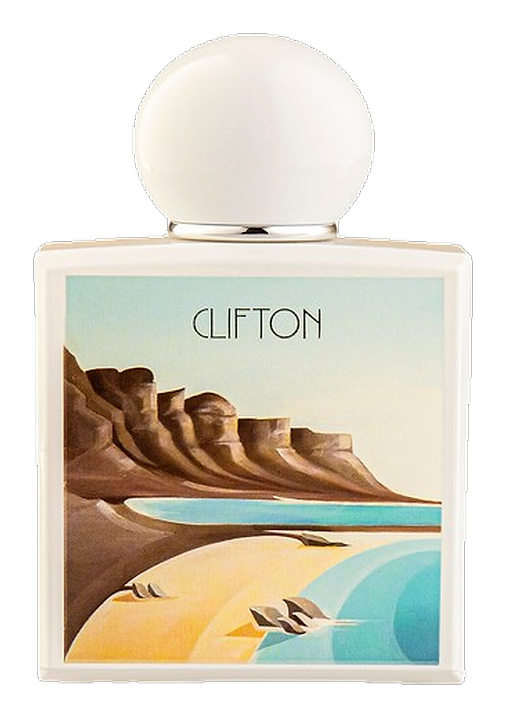
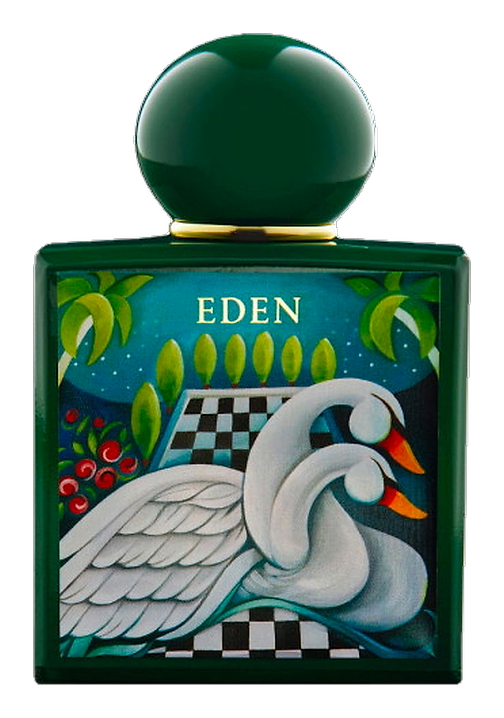
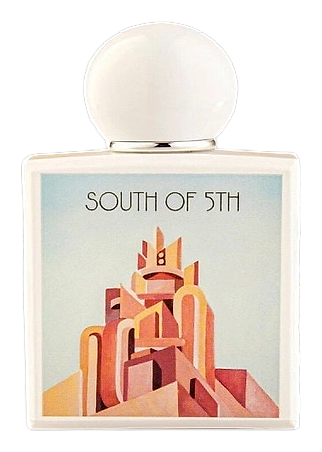
Adamo ParfumAdamo Parfum is an Italian niche fragrance house that entered the market in 2023. Based in Italy, the brand creates scent narratives that draw on historic perfume traditions while speaking in a contemporary voice. Its debut Roman Collection offered five distinct perfumes, each referencing a facet of ancient culture. Since then, Adamo has expanded its catalogue with releases such as Karus, Audens, Clifton, South Of 5th and the 2025 trio Eden, Tawakkul and Uluwatu. The house works with established perfumers and produces its bottles in Italy, positioning itself as a modern interpreter of classic olfactory art.
The Creator
Ilias ErmenidisThe Greek-Turkish nose favors transparent structures built on a solid base of natural absolutes. He reaches for oud, ambergris, and rose de mai, but always layers them with unexpected modifiers—citrus zest, spice tinctures, or a whisper of leather.