The Story
Why it exists.
The beginning
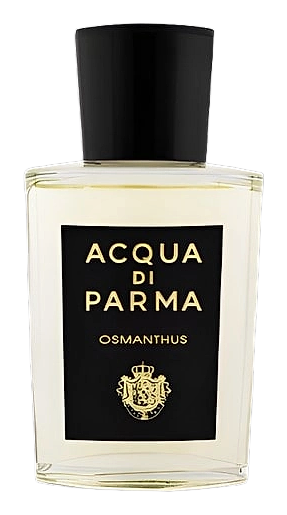
Osmanthus, the flower Molinard chose to name this 2021 fragrance, carries a contradiction at its core. Sweet olive, the English translation suggests daintiness. But osmanthus blooms also carry a leathery, almost undetectable darkness that perfumers either adore or avoid. In Grasse, where Molinard sources much of its botanical heritage, osmanthus occupied a quiet corner of the perfume lexicon for decades. This release brought it forward. Named for the blossom itself, the composition takes osmanthus at face value: fruity, suave, unapologetically floral. The house built it around jasmine and tuberose, two Narcotic notes ground in the apricot and iris that follow. It's a fragrance named for what it is. Sometimes that's the bravest move a perfumer can make.
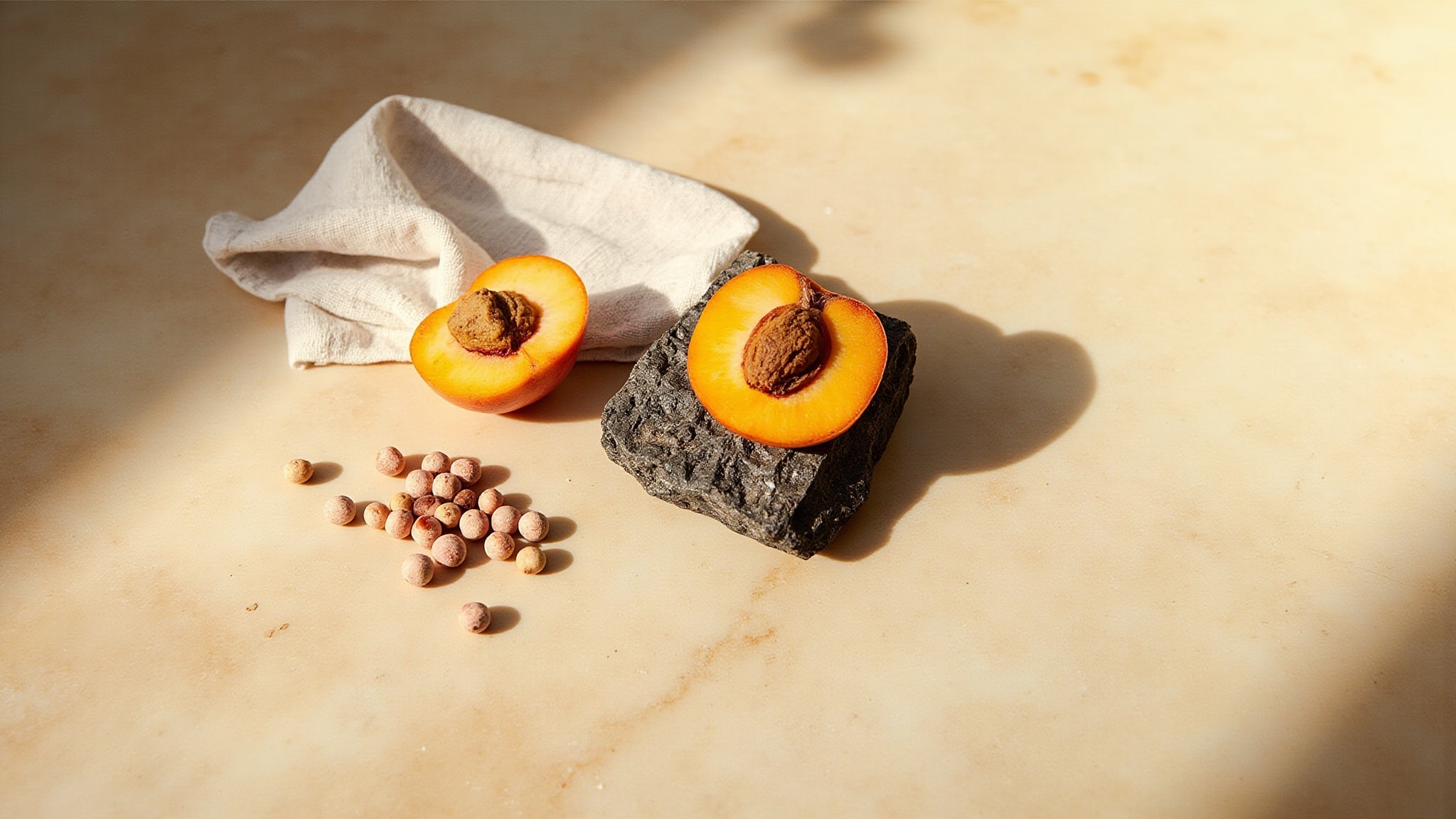
What makes this structure interesting is how the house builds downward from the white florals rather than outward. Jasmine and tuberose often serve as a fragrant center, a destination. Here they're a launchpad for apricot and iris to arrive on skin smoothly, without announcement. The powder note isn't atmospheric, it's skin-close, almost imperceptible until the sillage drops and you're left wondering where the rest of the room went. White musk acts as the bridge, keeping everything coherent as the florals fade and the apricot settles into something that reads as warmth rather than sweetness. The composition is modest by design. Nothing peaks too loudly. Everything arrives on time.
The evolution
The opening announces mandarin and bergamot, bright citrus that dissipates within twenty minutes, leaving the pink pepper to thread the transition. Then the osmanthus appears, not all at once but as a creeping sweetness that reinterprets the floral heart. Jasmine and tuberose arrive together, creamier than expected, because the apricot underneath them isn't hiding, it's warming them from below. The drydown is where Molinard's restraint pays off. The iris powder surfaces first, followed by white musk that keeps the scent close to skin for hours. The apricot lingers longest, but by the final stage it reads as warmth rather than fruit. On fabric, the white musk projects slightly more; on skin, the florals hold their shape longer. Eight hours passes without announcement. You're checking your wrist before you realize it's still there.
Cultural impact
Part of Molinard's Matières: Les Éléments collection, this fragrance occupies a specific corner of the floral-fruity landscape, not the opulent white floral of tuberose-forward designers, nor the lightweight citrus-cologne territory. Wearers describe it as an elegant, accessible osmanthus expression, and several compare it favorably to Kilian's Good Girl Gone Bad at a lower price point. The osmanthus note polarizes, those who click with its apricot-leather duality find it unexpectedly modern; those who don't often cite it as too subtle. It performs differently across seasons, softening in cold air and holding more consistently in warmth.