The Story
Why it exists.
The beginning
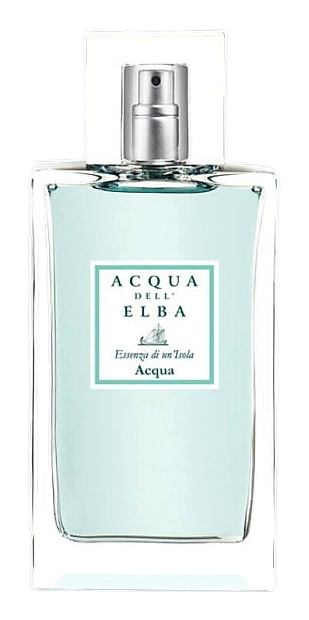
Acqua is the purest expression of Acqua dell'Elba's founding idea: that an island can be worn. Released in 2016 as part of the Essenza di un'Isola collection, it was built to translate the specific sensory character of the Tuscan archipelago into liquid form. Not the postcard version. Not the marketing version. The real one, where salt crusts on skin, where myrtle grows wild along the rocks, where the air carries something both mineral and green. The name itself says it: water, in Italian, the simplest word for the element that defines everything about this place.
What makes this composition interesting is what it leaves out. No tropical fruit. No coconut. No synthetic blue. Just salt, citrus, seaweed, myrtle, jasmine, moss, and cedarwood. The result is less a fragrance than an atmospheric study. The seaweed and myrtle do the heavy lifting in the heart, giving it that iodine-green complexity most aquatics never touch. Cedarwood and moss anchor it to something terrestrial, reminding you that islands aren't just water.
The evolution
The first five minutes are the rough part. A sharp, almost plasticky alcohol edge hits hard, and some wearers bounce off it entirely. Stay with it. The chemical burn dissolves into something that reads unmistakably as ocean. The citrus lifts and the seaweed-myrtle heart starts breathing, giving you that rare thing in a marine scent: the impression of standing somewhere specific rather than holding a product. As the top notes settle, the composition grows quieter, more textural, and the salt note gains a particular warmth. The cedarwood and moss arrive last, grounding everything in a slightly damp woodiness that settles close to the skin. By the time the drydown is fully established, it has become an almost intimate skin scent, the kind of thing you catch when you bring your wrist up, the kind that makes people lean in rather than catch it across a room.
Cultural impact
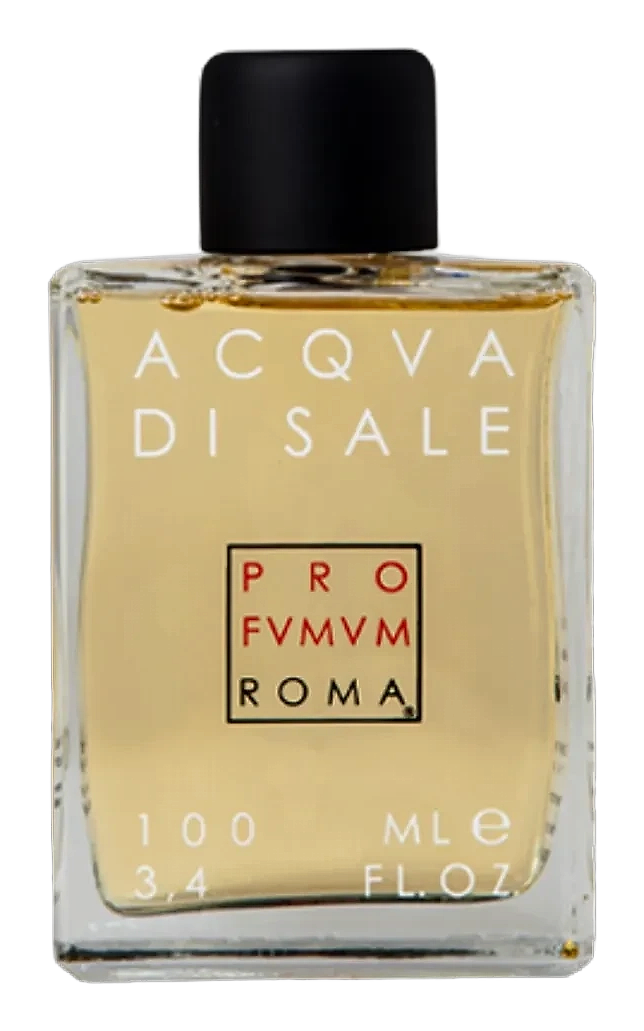
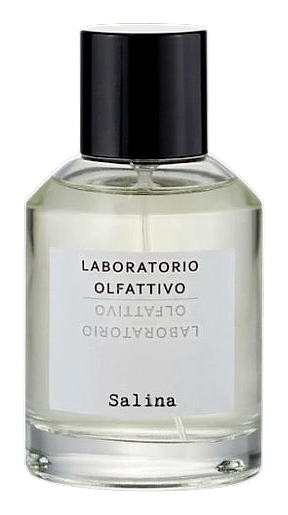
Acqua sits in an interesting space among marine fragrances. It has drawn favorable comparison to Profumum Roma's Acqua di Sale and Laboratorio Olfattivo's Salina, two other compositions that take the sea seriously and treat salt as a structural element rather than a decorative one. Reviewers have noted that it reads less like a product and more like standing somewhere specific, a quality that sets it apart from the more conventional aquatics on the market.