The Story
Why it exists.
The beginning
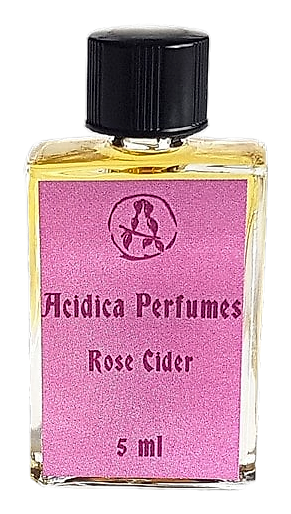
Rose Cider arrived in 2019 from Acidica Perfumes, a Moscow-based house that has spent the last decade composing around sharp, narrative contrasts. The name says it plainly. This isn't a rose garden. It's a rose that's been cut, crushed, and steeped in something you might not name at first sip. Perfumer Elena Markova built the composition around a floral-fruity axis that the brand's catalog rarely visits so directly, choosing to let sweetness and structure argue with one another across every phase of the wear. The brand's signature acidic clarity shows up here not as citrus brightness but as the tart snap that keeps the rose from ever going soft.
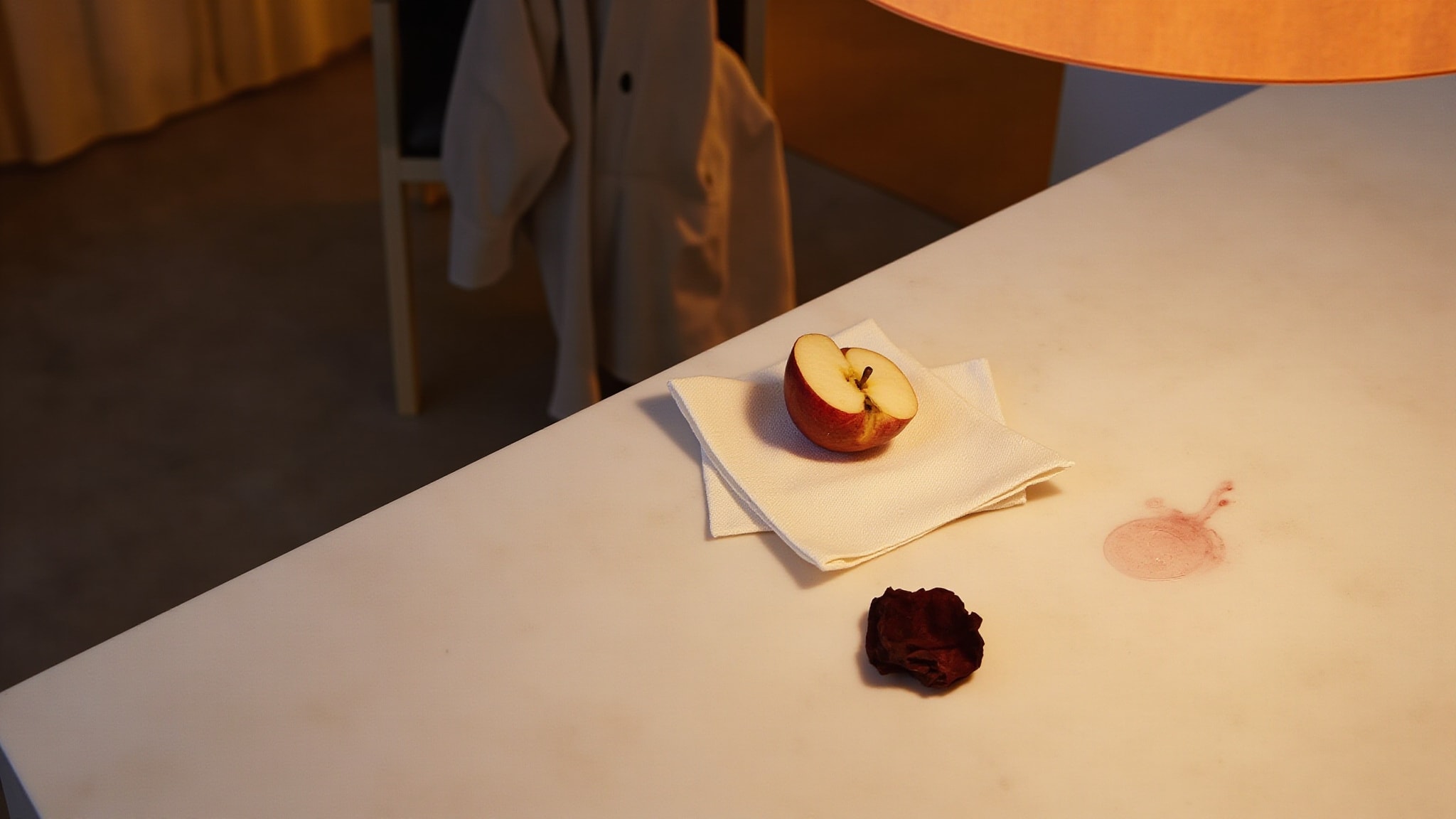
What makes Rose Cider structurally unusual is the layering of fruit and wine against a floral that refuses to behave. Red apple and orange don't just sweeten the opening; they establish a cidery, almost fermented edge that carries into the heart. Champaca adds a warmth that reads more golden than creamy, while clary sage and iris introduce an herbal, rooty coolness that grounds the fruit. Oakmoss and woody notes in the base prevent the composition from sliding into pastry territory. The red wine accord doesn't smell like wine exactly. It smells like the memory of wine, the stain left behind after the glass has been poured.
The evolution
The first thirty minutes belong to the fruit. Apple and orange arrive sharp and immediate, the kind of brightness that fills a small space without announcing itself. Then the wine and rose begin their slow negotiation. Red wine accord deepens the composition, pulling the rose into a darker register where it stops smelling like a flower and starts smelling like something steeped. The champaca and clary sage build a golden-green tension in the heart, neither fully warm nor fully cool. Over the next few hours, oakmoss and vanilla take the floor. The vanilla isn't sugary. It's dry, almost burnt at the edges, the kind that sits on wool rather than skin. By the end of a long wear, what's left is a faint woody sweetness, the kind of trail that picks up only when someone leans close. It holds steady without demanding attention.
Cultural impact
Rose Cider occupies an unusual space in the niche conversation. It reads as a floral-fruity composition but refuses the easy sweetness the category often falls back on. The red wine accord places it in conversation with experimental gourmands without committing to the genre's usual vanilla-heavy conclusion. Wearers tend to find it polarizing in a specific way: the rose-wine-fruit combination either clicks immediately or feels overwrought. Those who connect with it tend to wear it in transitional weather, autumn into winter, spring into summer, when the fruit notes have enough warmth to read fully without becoming heavy.