
The Story
Why it exists.
The beginning
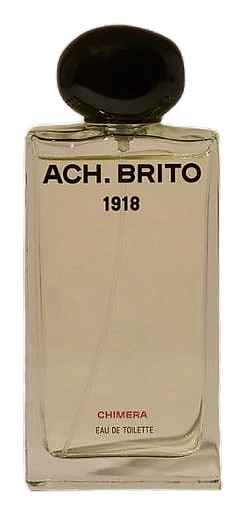
Chimera arrives as a woody aromatic fragrance in the 1918 collection, with a name that suggests something hybrid without announcing exactly what that means. Soft lavender opens the composition, bringing a calm, lightly floral impression, while herbal sage introduces a green, aromatic center. The two notes sit beside cork oak, a woody base that gives the scent a dry, material character. As the fragrance develops, lavender and sage create a balanced aromatic structure rather than a conventional sweet floral bouquet, and the cork oak keeps the impression grounded. The result is a woody aromatic fragrance built around contrast: smooth lavender, aromatic sage, and a distinctive wood note that becomes more tactile through the drydown.
The unusual part is the conversation between familiar lavender and less familiar cork oak. Lavender supplies a soft, recognizable opening, while sage shifts the scent toward something greener and more aromatic. Cork oak then pulls the whole composition down into a woody, dry register. That makes Chimera less about a single standout note than about how three simple materials change one another.
The evolution
Chimera begins with the quiet softness of lavender, the first impression measured and easy to read. As the scent develops, sage introduces a more herbal, green-edged character, making the opening feel less sweet and more aromatic. Later, cork oak becomes the defining texture, adding a dry woody presence that gives the fragrance its unusual signature. The arc moves from softness to greenery, then settles into material wood, with the final impression staying close, dry, and woody. Its restrained presence is likely to appeal to enthusiasts who prefer aromatic scents with a clearly textured base.
Cultural impact
Chimera presents a straightforward approach to woody aromatic perfumery, using lavender, sage, and cork oak to create a composition defined by contrast rather than spectacle. The lavender gives the opening a gentle floral character, while sage introduces a greener, more aromatic impression. Cork oak then anchors the structure with a dry woody texture, making the fragrance feel more tactile than a simple lavender-and-sage formula. Its practical appeal comes from this accessible combination of notes: soft, herbal, and woody, with enough distinction to invite closer attention.