The Story
Why it exists.
The beginning
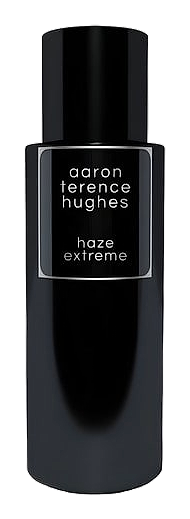
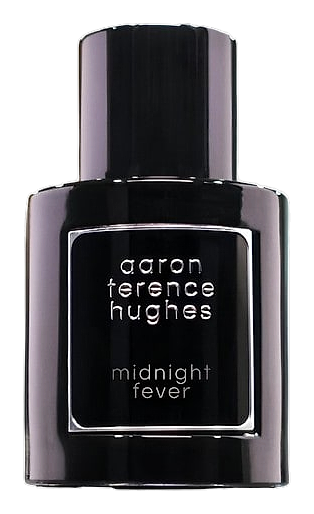
Midnight Fever began with a question: what does a tropical beach smell like after dark? Aaron Terence Hughes has spoken openly about using scent to capture specific sensory memories, and this one landed on a humid evening where salt air meets warm skin under artificial light. The fragrance translates that moment into a composition that opens bright and resolves dark, a citrus-forward freshness that surrenders to oud, vetiver, and frankincense in the base. Named for the fever that arrives when the temperature drops and the night still promises something, it mirrors the brand's broader interest in duality, clean and raw, bright and deep, worn by day but made for after.
The CO2 extraction method used for the base materials is worth noting. CO2 extracts tend to capture a broader aromatic spectrum than conventional extraction, less polished, closer to the raw material's actual character. For vetiver and frankincense, that means a root-like, smoky intensity that arrives earlier and feels less refined than their distilled counterparts. Patchouli CO2 carries more of its natural earthiness, less of the chocolate-cedar smoothness that comes with aging. Nutmeg CO2 adds a spice that reads green rather than warm. These choices push the base away from comfort and toward something with more edge, the kind of drydown that suggests proximity rather than distance.
The evolution
The opening is immediate: bergamot's citrus brightness followed by green apple and a flash of grapefruit that gives it an almost effervescent quality. Within minutes, aquatic notes take over, not the soapy marine of mainstream aquatics but something saltier, more mineral, closer to wet stone than sea breeze. Lavender sits beneath the surface, keeping the heart aromatic rather than floral. Around the two-hour mark, amber introduces warmth as the citrus begins to fade, and the oud surfaces, resinous, slightly animalic, present without being aggressive. The frankincense and vetiver arrive together around hour four, pushing the scent toward earth and smoke. By hour six, the top notes are gone and what remains is oud, patchouli, and vetiver in a configuration that smells nothing like the opening. That drydown holds for another four to six hours on most skin types, and on fabric it can persist into the next day.
Cultural impact
Midnight Fever arrived at a moment when masculine fragrance was being redefined. While the market had long relied on predictable aquatic-fresh compositions, Aaron Terence Hughes pushed toward something more complex: a scent that opens with bright, almost diaphanous bergamot before descending into the resinous depths of Thai oud and smoky vetiver. This kind of citrus-to-dark trajectory mirrors broader shifts in how modern men approach scent, seeking fragrance that evolves rather than remains static. The houses direct-to-consumer model also challenged norms by removing the traditional retail markup, making high-concentration extrait de parfum accessible to a generation of fragrance enthusiasts who research notes obsessively and buy direct.