
The Story
Why it exists.
The beginning
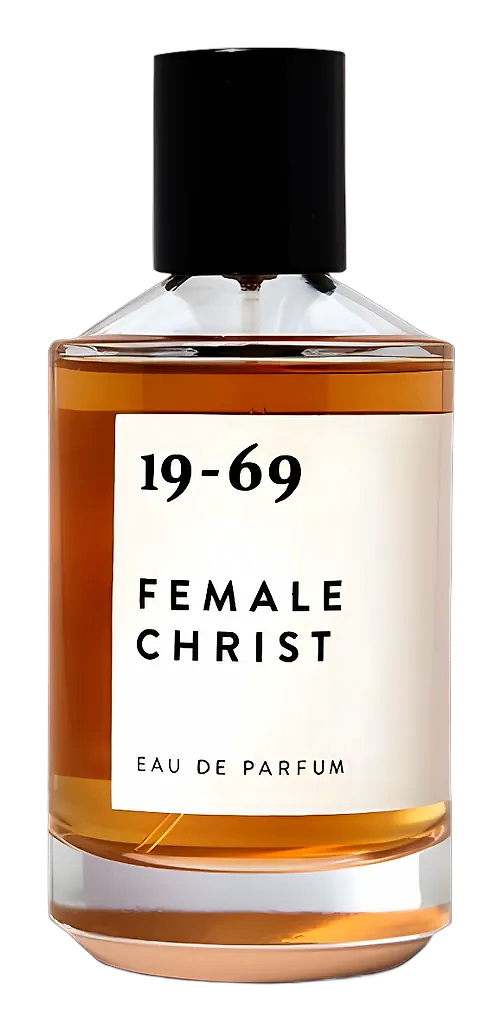
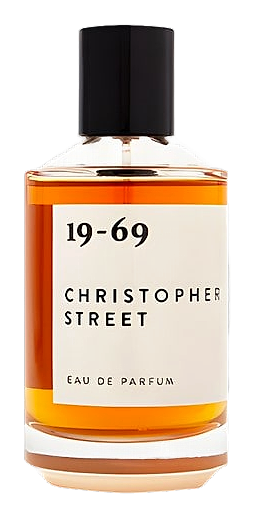
Christopher Street in New York City, 1969. A bar that the rest of the city treated as a problem. A place drag queens and outcasts made into something worth defending. Then June 28 arrived, and everything shifted. 19-69 named this fragrance for the street itself, not the tragedy, but the resilience. The composition moves between warmth and bite, spice and something earthier underneath. The idea: capture the feeling of walking into a room full of people who stopped apologizing for who they were. Christopher Street is one of the house's more direct results, wearable storytelling that doesn't hide what it's reaching for. The fragrance opens with a sharp, confident presence that doesn't wait to make itself known. Beneath the initial brightness lies a deeper layer, grounded and unapologetic.
The combination of cumin and castoreum in the base is unusual, most houses wouldn't push that far. Bergelin did. The result is an animalic warmth that doesn't retreat into abstraction. It sits close to the skin, present without announcing itself, the kind of drydown that someone standing near you might recognize as different. The cade oil and papyrus reinforce the smoky, slightly papery character underneath the spice. Myrrh adds a balsamic sweetness that keeps the whole thing from tipping into something harsh. Indonesian patchouli leaf in the heart provides earthiness that the cumin amplifies, not quite dirty, but definitely not clean.
The evolution
The opening announces itself immediately. Black pepper and saffron arrive together, the pepper sharp and the saffron delivering a warmth that reads almost medicinal at first, saffron's natural intensity before it softens. As the heat settles, the composition begins its shift. Then the hand-off. The cumin emerges in the heart, and something changes. The composition becomes earthier, slightly feral. Indonesian patchouli leaf amplifies this, adding depth without sweetness. The freshness from the top notes fades into something denser. The drydown is where Christopher Street earns its reputation. Cade oil and papyrus create a smoky, slightly dry base. Myrrh adds warmth without sweetness, resinous, quiet. And the castoreum: the tell. That's the animalic note that most fragrances bury or avoid entirely. Here it's woven into the composition deliberately, giving the drydown a second-skin quality.
Cultural impact
The house itself has built its reputation on bold, story-driven compositions that attract collectors who read the journey card first. This one speaks loudest to people who already know they want something that doesn't apologize. The fragrance has found its audience among those who see scent as an extension of identity rather than a background detail. Christopher Street resonates particularly with wearers who appreciate its unapologetic character, its willingness to occupy space without qualification. The house has cultivated a following around the idea that fragrance can tell stories, that wearing something should mean something.