
The Story
Why it exists.
The beginning
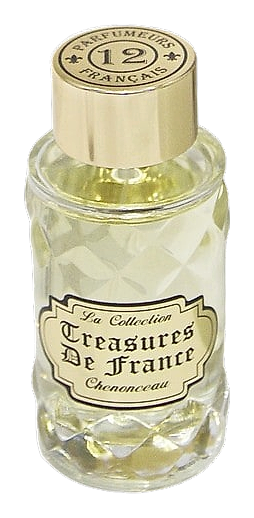
The Château de Chenonceau rises from the Cher River, one of France's most romantic estates, its gallery hall spanning the water like a bridge between two worlds. For centuries, the castle passed through the hands of remarkable women. Diane de Poitiers received it as a gift from Henry II. Catherine de Médicis later seized it by political force. Each left her mark on the gardens, the rooms, the air. The perfumers behind Chenonceau drew from this legacy of feminine grace and power, women who shaped their world. The result is a fragrance that begins in light and ends in warmth, as if you've walked through sunlit galleries and emerged into candlelit rooms.
The lemon-cardamom opening is no accident. The castle's famous gallery floods with morning light, the fragrance captures that first impression, the one that makes you stop and breathe. The black pepper, cedar, and patchouli arrive like the castle's famous history: layered, complex, with undercurrents that reveal themselves slowly. This isn't a linear fragrance. It shifts from the cool brightness of the river at dawn to the warmth of firelit chambers. The base, amber, sandalwood, musk, is the memory that stays. Like the smell of a room you visited once but never quite left behind.
The evolution
The opening hits clean and bright. Lemon cutting through, cardamom adding a slight herbal bite that keeps it from being merely sweet. For the first thirty minutes, you're in open air. Then the hand-off begins, the citrus cools down, only to watch the spiced wood take its place. A slow negotiation between cool and warm, fresh and resinous. The sandalwood doesn't rush. It arrives when the room has already half-forgotten the lemon. By hour three, you're left with something powdery and close, amber and musk warming against skin, present but never loud. Chenonceau doesn't project for hours. It lasts, quietly, without demanding attention.
Cultural impact
Chenonceau occupies a particular space: a French fragrance named for a French landmark, drawing from centuries of heritage tied to a specific landscape. The castle's history, its succession of powerful women, its position over water, gives the fragrance an extra layer for those who know the story. For wearers who discover that context, the fragrance becomes more than the sum of its notes. It becomes a small piece of architectural and feminine history, worn close.