The Story
Why it exists.
The beginning
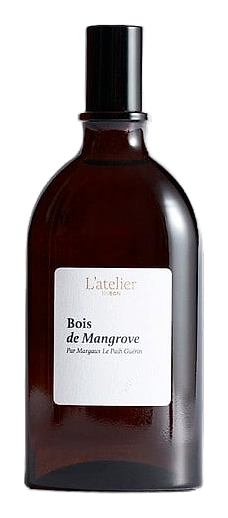
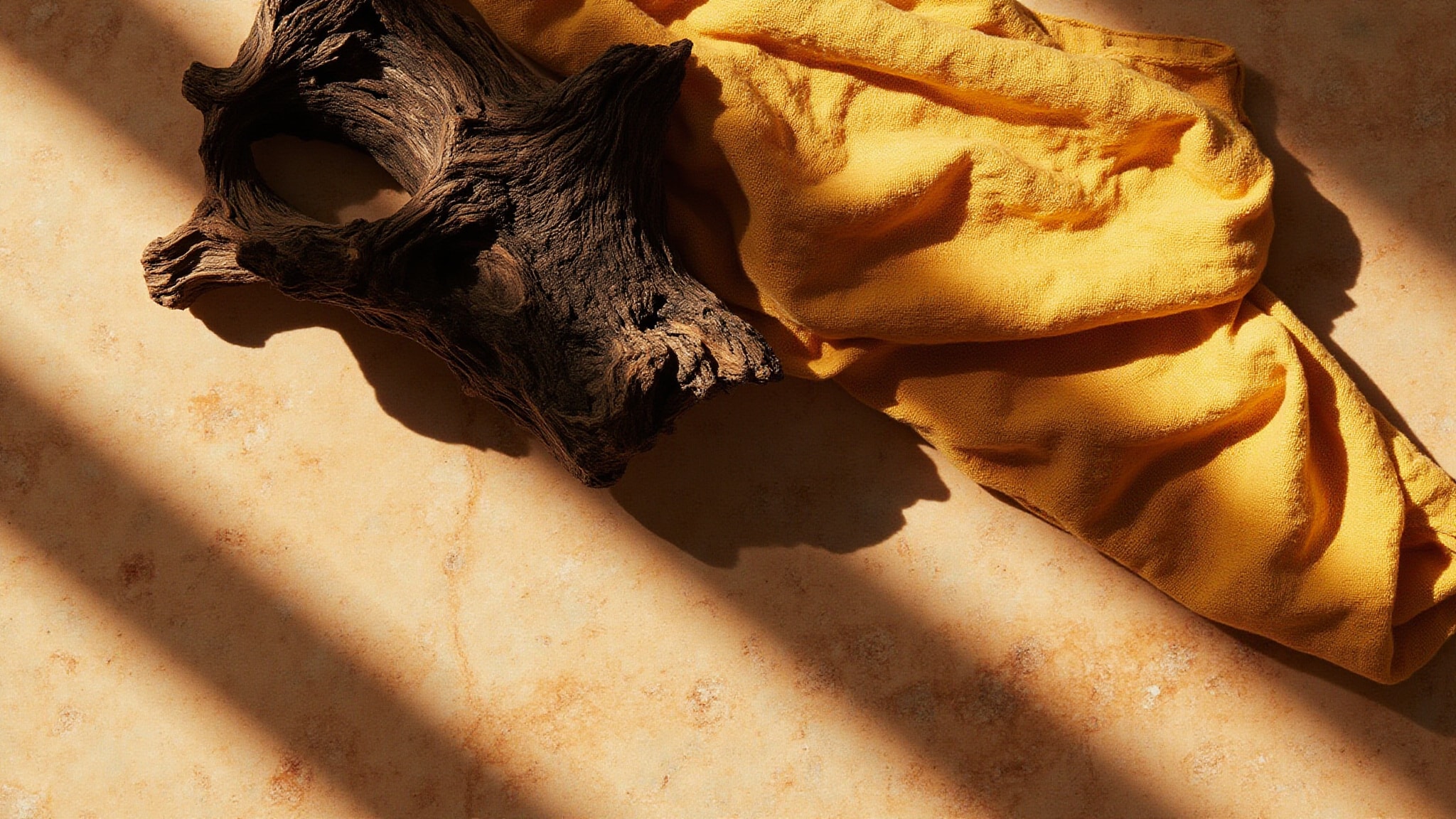
Mangrove trees grow where land meets sea, roots half-submerged in salt water, breathing with the tides. It's an unusual place to find inspiration. Unusual, and endlessly compelling. When Margaux Le Paih-Guérin set out to build Bois de Mangrove, she chose a protagonist most perfumers avoid entirely, the wood of a protected, rare tree whose dry roots and water-soaked flesh hold a scent unlike any other. Around that central material, she constructed a framework of leather, saffron, and iridescent facets. Aromatic herbs and soft florals were added to evoke the ecosystem surrounding the water: green, alive, slightly wild. The result is a fragrance that asks whether natural perfumery can handle something this unconventional, and answers yes, with a 91.15% naturality score and a scent that lingers like salt on skin.
What makes this composition distinctive isn't any single note, it's the way the materials play off each other across phases. The tropical brightness of pineapple at the opening is unusual in a woody-leathery base; it gives the fragrance an unexpected lift before the earthier notes take hold. Iris adds a powdery softness that prevents the leather from becoming too aggressive, while laurel and lavender bridge the gap between the bright top and the smoky base.
The evolution
The opening announces itself clearly: bright pineapple, tropical and almost juicy, with the herbaceous quality of laurel underneath. The herbs linger as the heart takes over, iris and lavender combining into something aromatic and softly powdery, the leather quietly building beneath. As the composition shifts, the florals recede and the base materials begin their slow reveal. Leather emerges first, dry and slightly smoky, followed by saffron's warm spice. The mangrove wood announces itself with a mineral, almost aquatic quality, salt and wood and something animalic that stays close to the skin. Cedarwood and cade juniper add structure, keeping the drydown from becoming too soft. The cedar and leather linger longest on fabric, while on skin the mangrove wood remains detectable, mineral, warm, resolved.
Cultural impact
Bois de Mangrove sits at an interesting intersection in the natural fragrance world. The mangrove wood note is rare enough to generate discussion among enthusiasts, some are drawn to its unconventionality, others find it polarizing. What the fragrance offers that more conventional leathery scents don't is that mineral, slightly aquatic quality that comes from a protected ingredient most houses avoid. For a house built on transparency and natural materials, it's a statement piece: proof that natural perfumery can handle something this unusual.