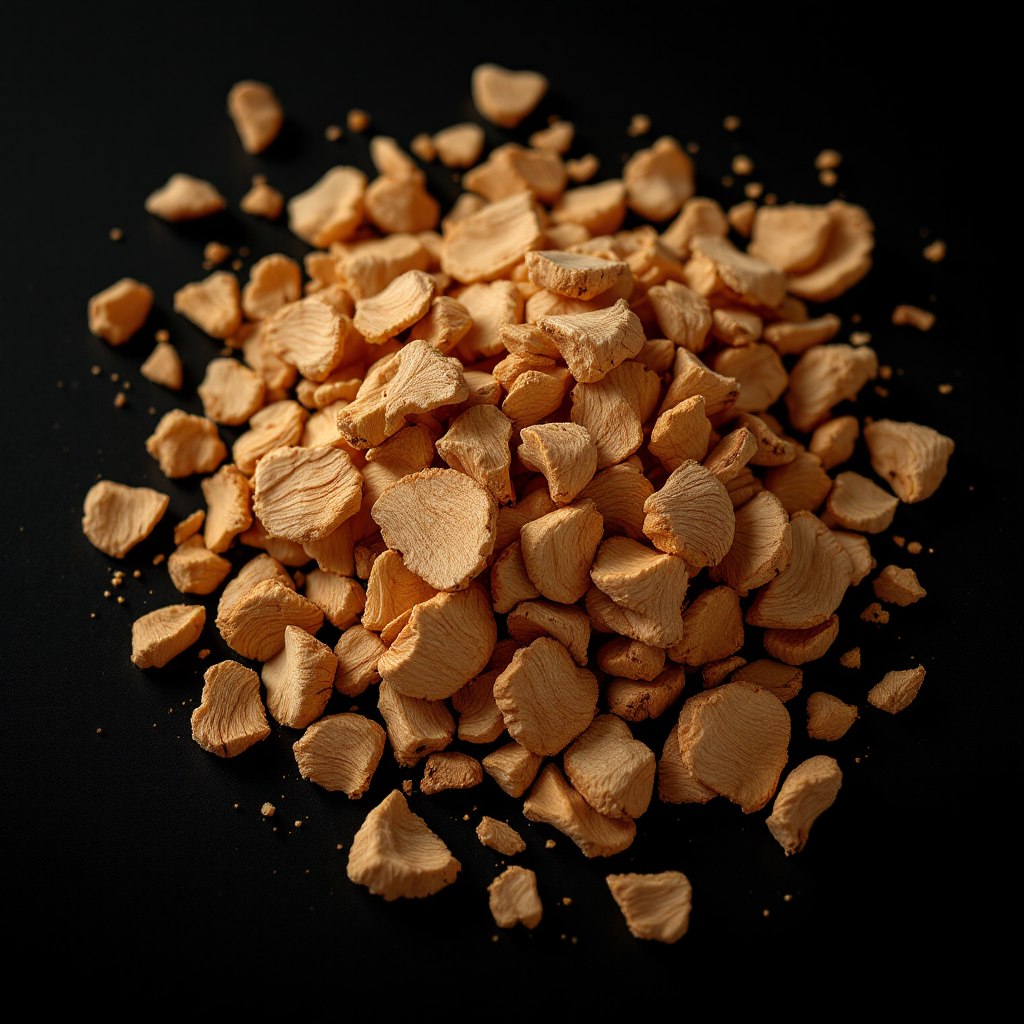
Mangrove Wood
Mangrove wood captures the atmosphere of tidal forests where land dissolves into sea. This reconstructed note blends salt-tinged marine elements with deep, tannic woodiness to evoke the stark, brackish beauty of these ancient coastal ecosystems.
Character
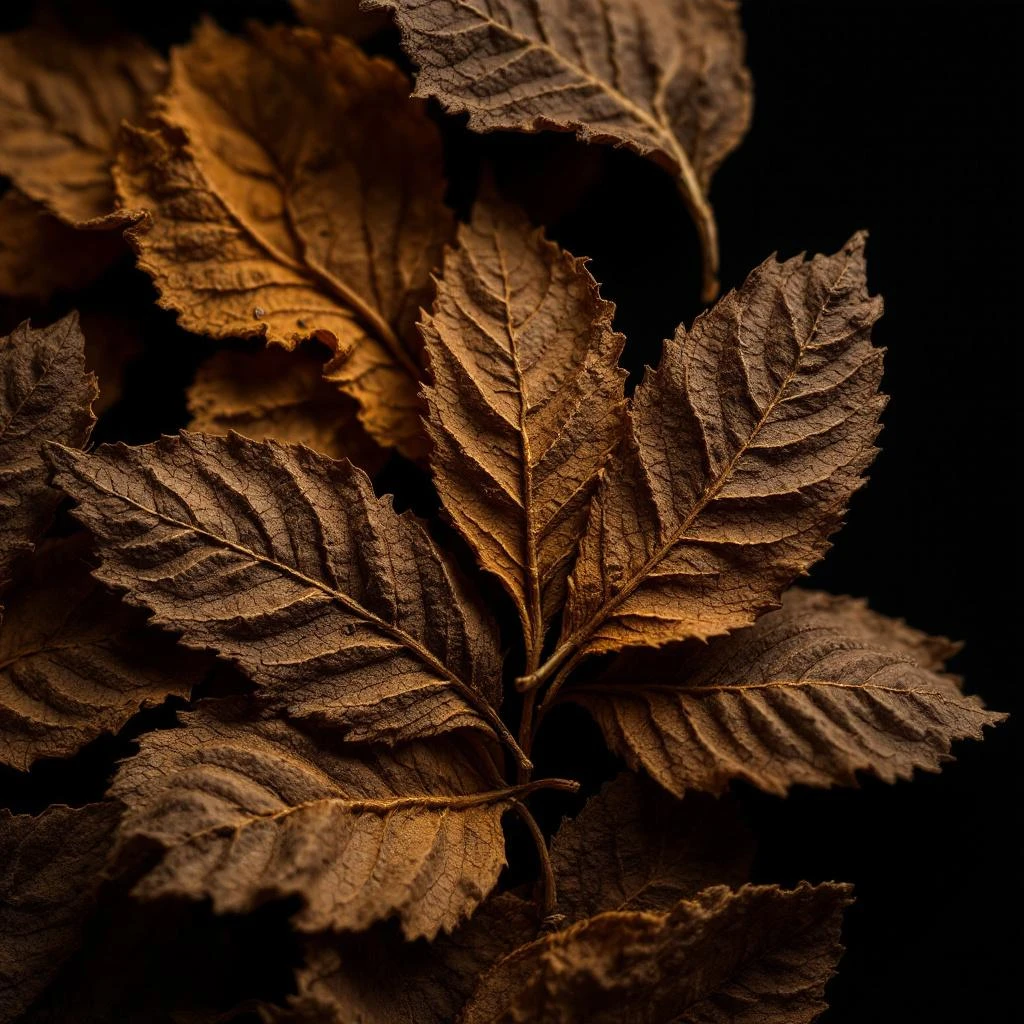
How it smells
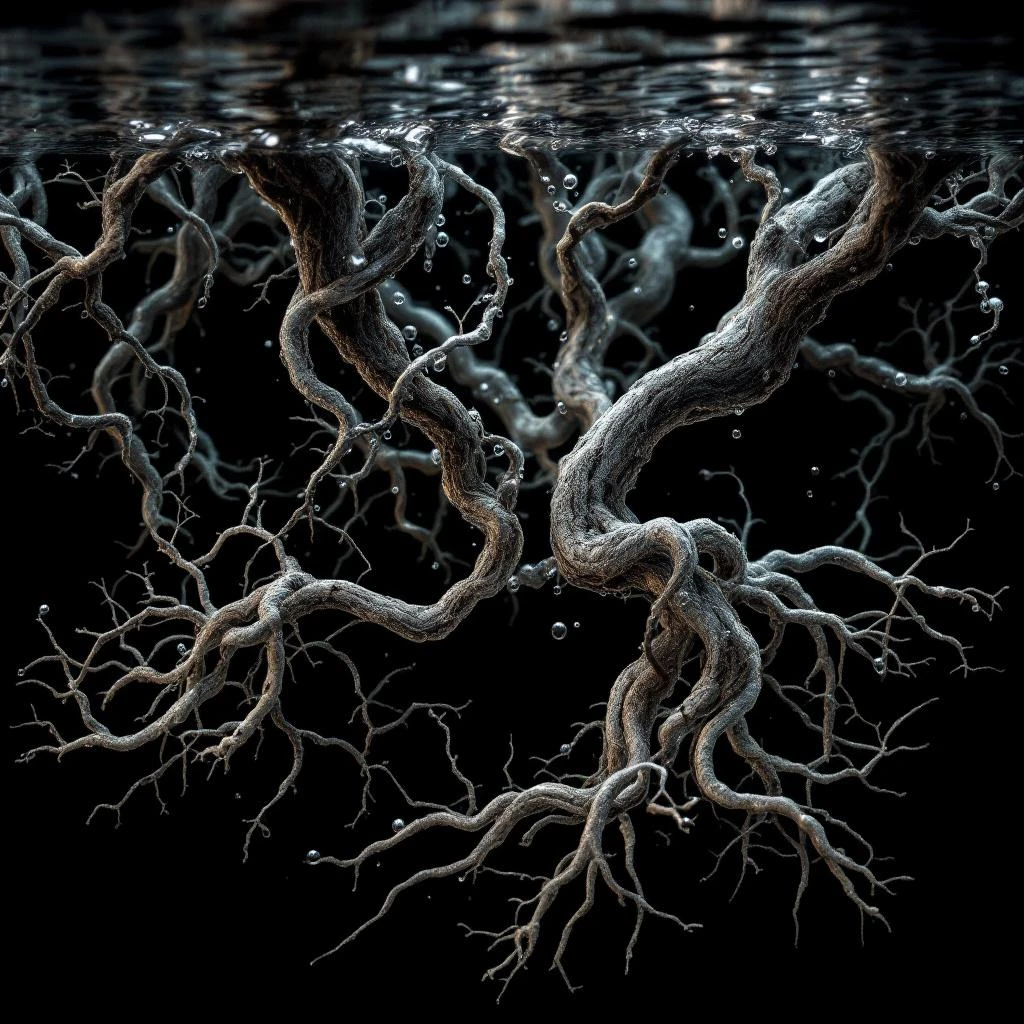
Brackish waters meet ancient timber.
Mangroves filter salt from seawater and can absorb up to 250 pounds of carbon per acre annually, making them among the most carbon-dense forests on Earth.





Origin
Southeast Asia
Mangroves have sustained coastal communities for millennia, providing fuel, construction materials, and nursery habitat for countless marine species. Ancient cultures throughout Southeast Asia and the Indo-Pacific recognized these trees as vital coastal infrastructure long before perfumery took interest.
The fragrance industry began exploring mangrove wood as an atmospheric note as aquatic and marine fragrance families expanded in the late 20th century. Traditional extraction methods proved unsuitable for mangrove wood, which lacks the resinous heartwood that makes materials like oud or sandalwood commercially viable.
Rather than abandoning the note, perfumers developed synthetic reconstruction techniques, combining salt, wood, and marine accords to capture the distinctive character of these tidal forests. This innovative approach demonstrates how creative chemistry can expand the perfumer's palette beyond what nature alone provides.
Wears it best
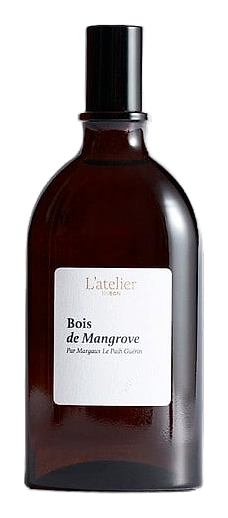
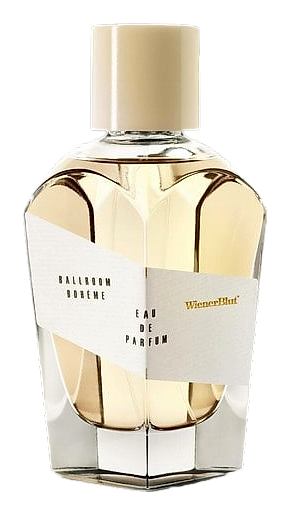
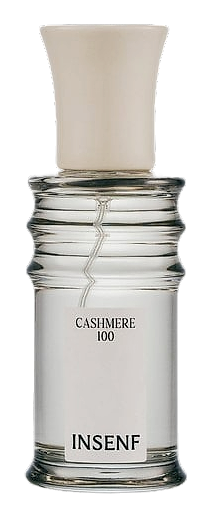
Fragrances featuring Mangrove Wood

Brands
Brands known for Mangrove Wood
Good to know
Questions, answered
The essentials on Mangrove Wood in perfumery: how it smells, where it comes from, and how it behaves on skin.
Is mangrove wood a natural fragrance ingredient?
No commercial mangrove wood essential oil or absolute exists. The note is always reconstructed by combining tannic-woody materials, salt accords, and marine elements to evoke the brackish, tidal atmosphere of mangrove forests.
What does mangrove wood smell like?
Mangrove wood reads as salt-tinged and mineral-rich with deep, tannic woodiness underneath. The note captures the brackish quality of coastal waters meeting ancient timber, balancing marine freshness with earthy depth.
Why do perfumers use reconstructed notes instead of natural extracts?
Some natural materials resist conventional extraction methods or lack commercially viable aromatic compounds. Reconstruction lets perfumers create atmospheric effects like mangrove wood that would otherwise be unavailable.
Where do mangroves grow naturally?
Mangroves thrive along tropical and subtropical coastlines across Southeast Asia, Australia, Africa, and the Americas. They occupy the intertidal zone where rivers meet the sea, making them difficult to harvest for traditional extraction.
Does mangrove wood appear in many fragrances?
Mangrove wood appears primarily in aquatic, fresh woody, and marine fragrance families. It works best as an atmospheric supporting note rather than a dominant heart element.
Can mangrove wood be sustainably sourced?
Because no natural extraction exists for mangrove wood, sustainability concerns focus on protecting mangrove ecosystems themselves, which face significant threats from coastal development worldwide.
What materials create the mangrove wood accord?
Fragrance chemists combine salt or marine accords, tannic-woody bases like oakmoss or vetiver, and marine aromatics to build the characteristic brackish-wood profile that defines the mangrove wood impression.
How does mangrove wood differ from other marine notes?
Unlike straightforward aquatic notes that emphasize clean water and sea spray, mangrove wood adds tannic, earthy depth. It brings a forest quality to marine compositions, grounding ethereal freshness with woody solidity.