Wild Pear
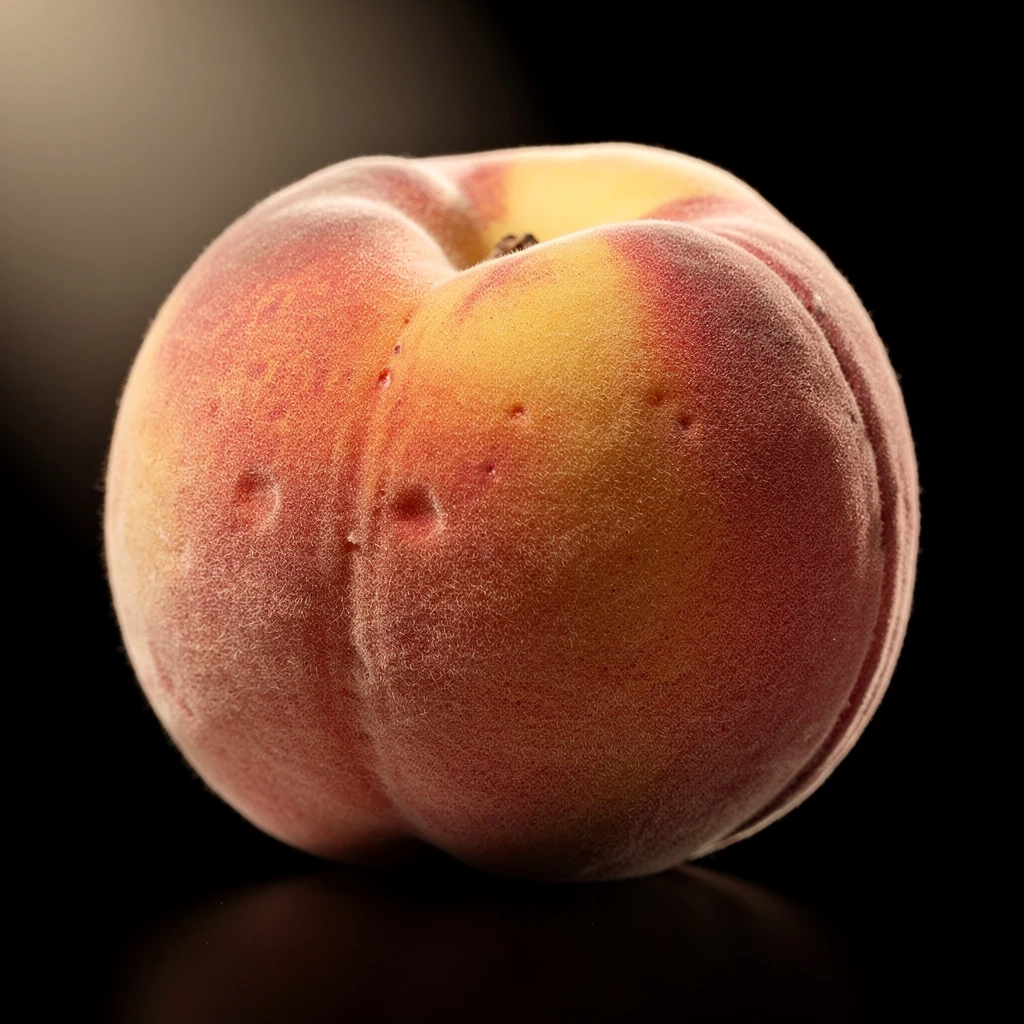
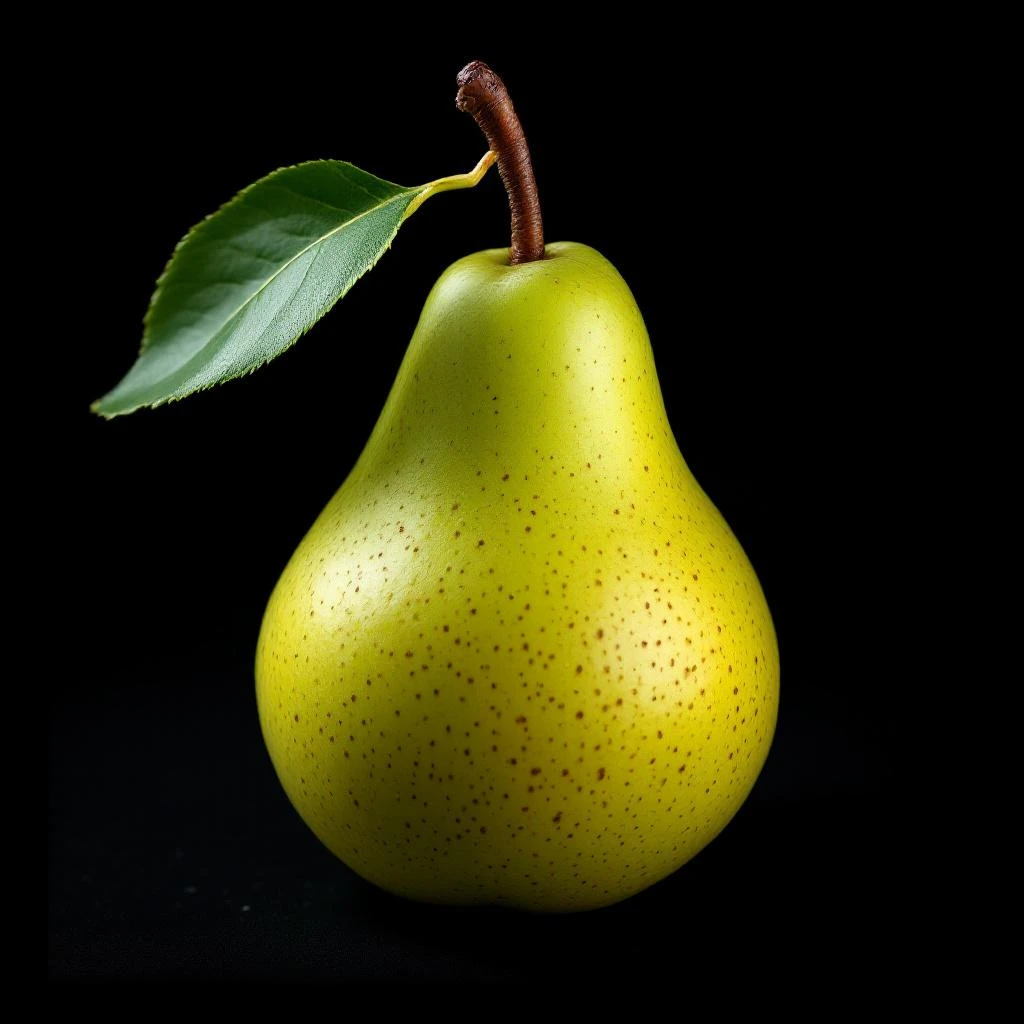
Wild pear captures the crisp, fleeting scent of ripe fruit still clinging to the branch, cooling, lightly sweet, edged with green. In perfumery, it reads as a breath of orchard air, offering a naturalistic lift that bridges fruity openings with deeper base notes.
Character
How it smells
Crisp orchard fruit, bottled at peak ripeness.
True pear fruit yields almost no usable essential oil, so perfumers recreate this note almost exclusively through aroma chemicals like hexyl acetate and ethyl (2E,4Z)-2,4-decadienoate, first characterized from Bartlett pears in the 1960s.
Pairs beautifully with


Origin
Turkey
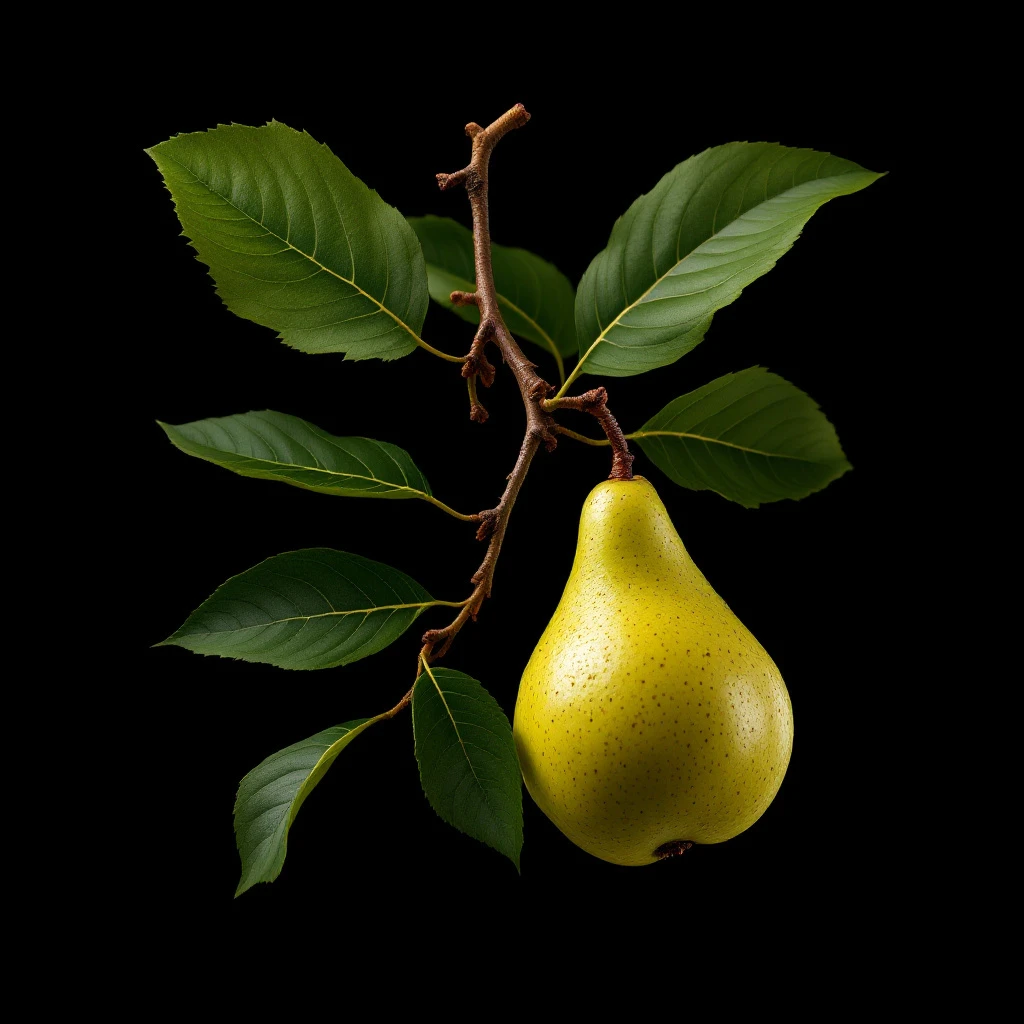
The wild pear, Pyrus communis, originated in the Caucasus region and spread along ancient trade routes into Europe and Asia thousands of years ago. Greek and Roman writers, including Pliny the Elder, documented cultivated varieties in his Naturalis Historia, praising pears as both food and aromatic luxury.
Medieval European orchards maintained pear collections as symbols of refinement, and the fruit appears repeatedly in still-life painting from the Dutch Golden Age, evoking transience and sensory abundance. Despite its long cultural presence, pear entered formal perfumery only in the twentieth century, once chemists identified the specific esters responsible for its scent.
The 1965 identification of ethyl decadienoate as the characteristic pear volatile marked a turning point, allowing perfumers to construct convincing fruity notes without unstable natural essences. Today, wild pear appears across feminine, masculine, and unisex compositions, valued for the freshness and innocence it lends to modern fragrance architecture.
Wears it best
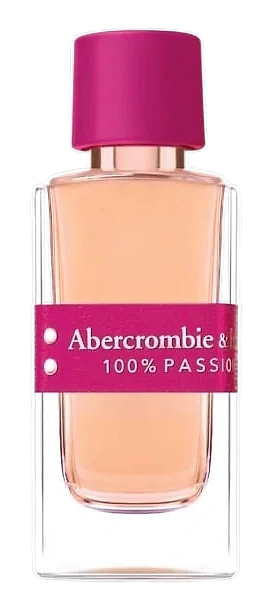
Fragrances featuring Wild Pear
Brands
Brands known for Wild Pear
Good to know
Questions, answered
The essentials on Wild Pear in perfumery: how it smells, where it comes from, and how it behaves on skin.
What does wild pear smell like in perfume?
Wild pear presents a crisp, green-fruity aroma with cool sweetness and subtle floral undertones. The dominant compounds are hexyl acetate, which contributes the fresh, slightly waxy brightness, and ethyl decadienoate, which supplies the soft, ripe-fruit roundness characteristic of Bartlett-type pears.
Is wild pear a natural or synthetic note?
Almost always synthetic. Genuine pear essential oil exists in negligible quantities because the fruit's volatile content is extremely low. Perfumery relies on reconstructed accords built from aroma chemicals first isolated from natural pears in the mid-1960s.
Where does wild pear originate?
Wild pear trees, Pyrus communis, trace their ancestry to the Caucasus region spanning modern-day Turkey, Armenia, and Georgia. From there, cultivation spread westward through the Mediterranean and across Europe via ancient trade and agricultural exchange.
What fragrance families feature wild pear?
Wild pear appears most frequently in fruity floral and fresh gourmand compositions, where it brightens top notes and bridges citrus openings into softer heart accords. It also supports modern fougère and aromatic structures seeking naturalistic lift.
When is wild pear typically used in a fragrance structure?
Wild pear functions as a top or upper-heart note, providing an immediate impression of crisp freshness that fades within twenty to thirty minutes. Perfumers often layer it with green or aldehydic modifiers to extend its volatile, orchard-like character.
Does wild pear pair well with other ingredients?
Yes. Wild pear complements green notes like galbanum and fig leaf, soft florals including magnolia and freesia, and ambroxan or light musks in the base. These pairings reinforce its natural, dewy quality while adding depth and longevity.
Is wild pear the same as Bartlett pear?
Wild pear refers broadly to ancestral Pyrus communis varieties, while Bartlett is one specific cultivated descendant. Olfactorily, they share the same key aroma compounds, particularly ethyl decadienoate, which is why perfumery treats them interchangeably.
Can wild pear cause skin sensitivity?
Wild pear reconstructions carry low sensitization risk. The principal component, hexyl acetate, is classified as non-sensitizing at typical fragrance concentrations, though individual formulation ingredients in a complete accord may warrant a patch test for sensitive users.