White Lavender
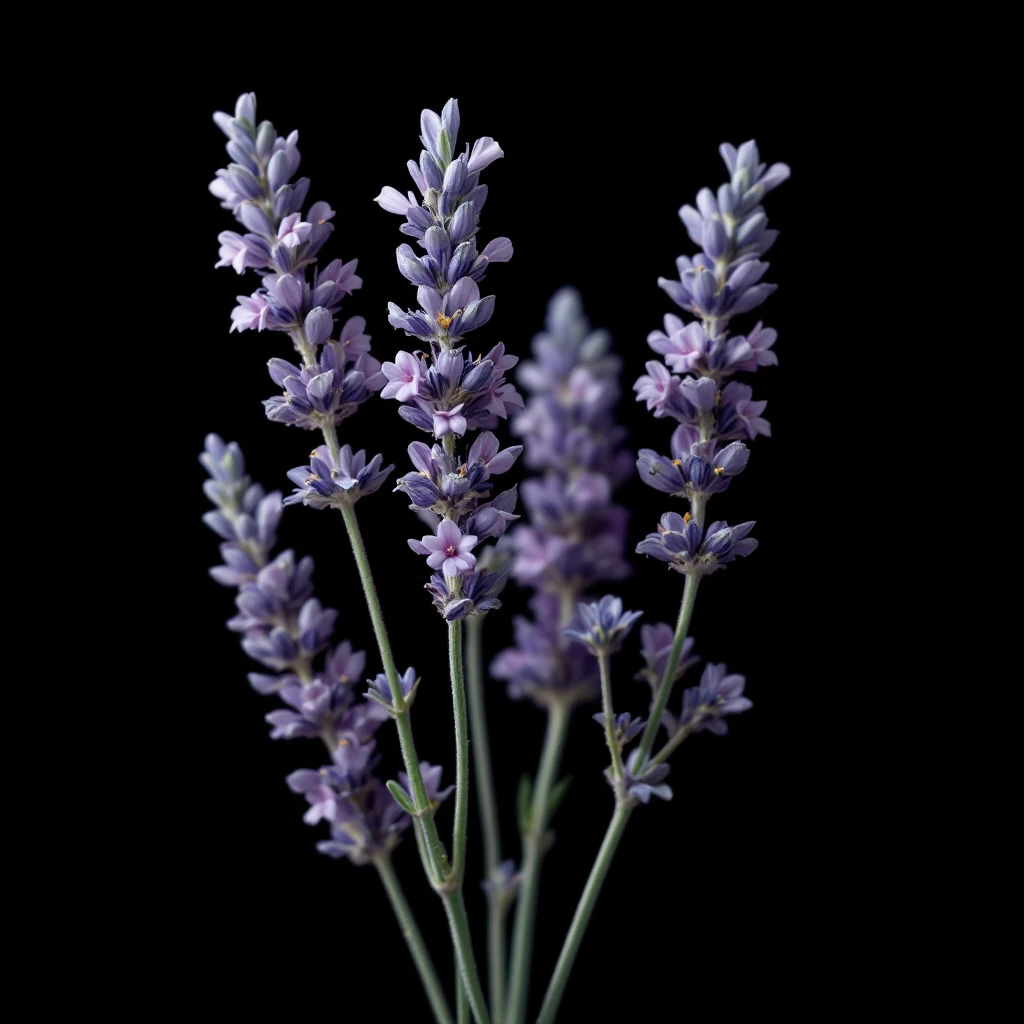
White Lavender distills Provence's sun-drenched hillsides into scent form. This rarer cultivar offers a softer, more refined aromatic profile than classic lavender—gentle herbaceous warmth with a clean, almost luminous quality that elevates it into a category of its own.
Character
How it smells
Provence's rare, silvery lavender with whisper-soft elegance
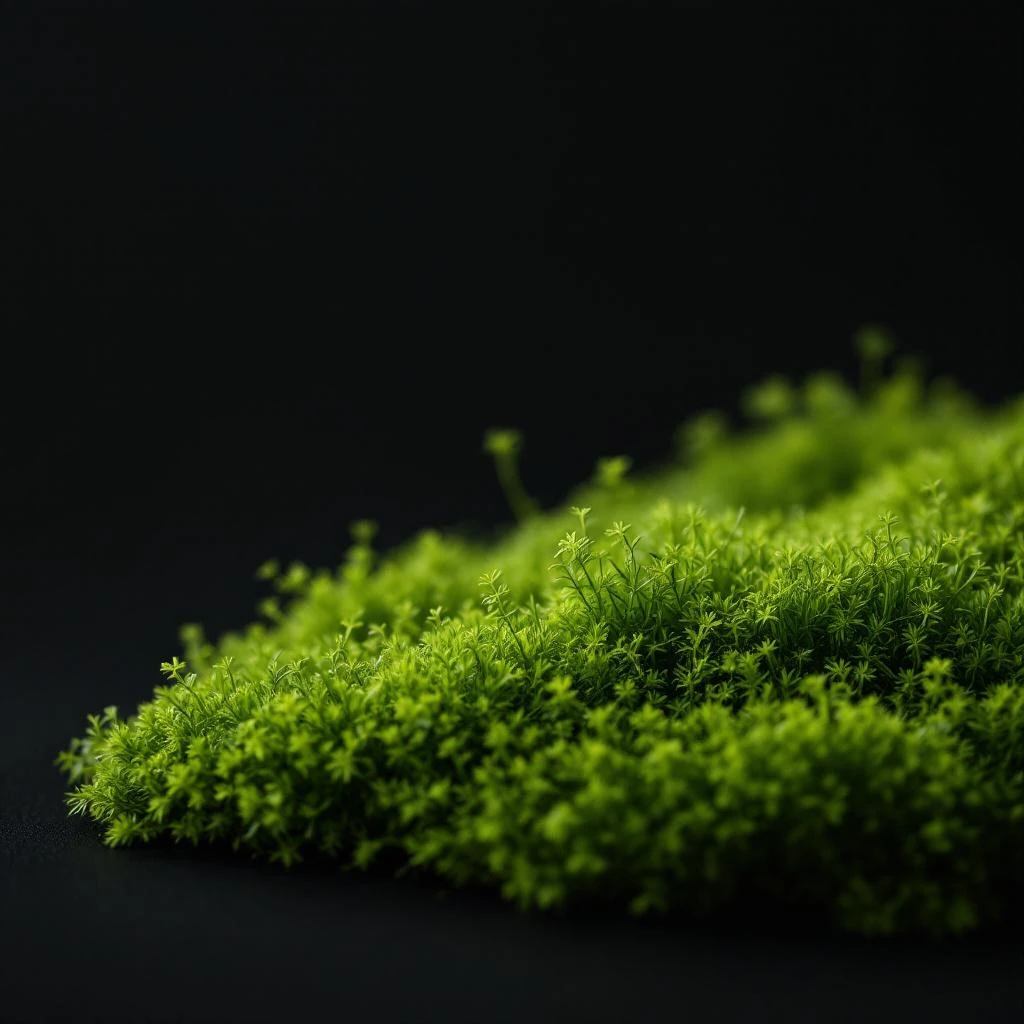
White lavender (Lavandula angustifolia 'Nana Alba') blooms in silvery-white clusters rather than purple, making it both botanically distinctive and considerably rarer in cultivation—yielding an oil prized by luxury perfumers.





Origin
France
Lavender's story begins in ancient Mesopotamia, where archaeologists have traced its use back to 4000 BCE, though Egyptian perfumers formalized it as an incense ingredient within centuries. The Romans cemented lavender's reputation by deriving its name from 'lavare'—Latin for 'to wash'—evidencing its association with bathing rituals and aromatic cleanliness. By the 18th century, the South of France had built its entire agricultural economy around lavender cultivation, and the distinguished perfume houses of Grasse emerged as the world's fragrance capital.
White lavender, however, represents a later horticultural development—a cultivated variant prized precisely because it lacks the bold purple of its counterparts, offering subtler aromatic qualities that appeal to refined perfumery. Today, Provençal white lavender remains a boutique ingredient, representing less than 5% of total lavender oil production worldwide.
Wears it best
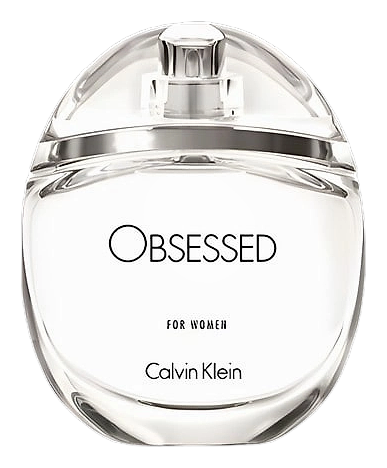
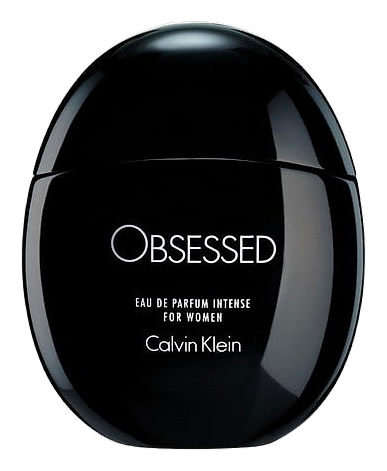
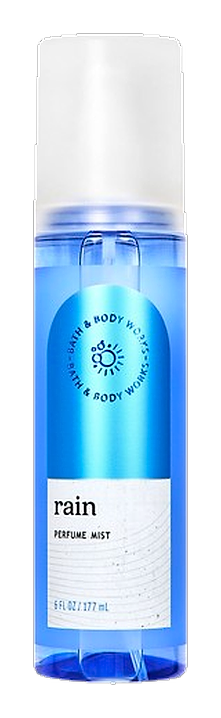
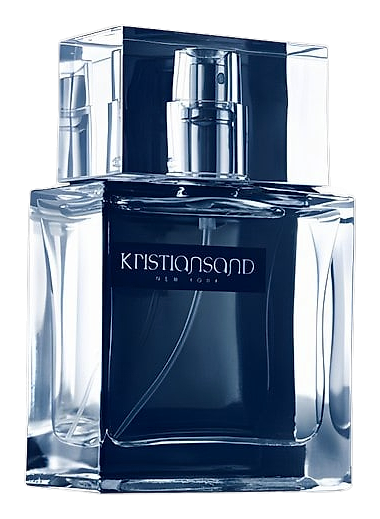
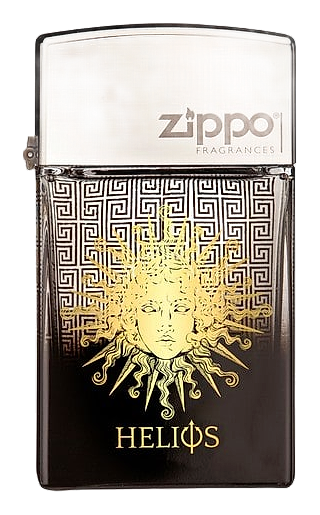
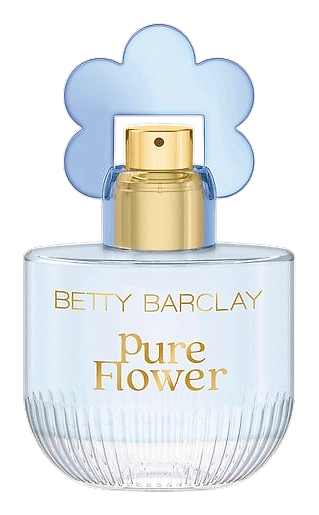
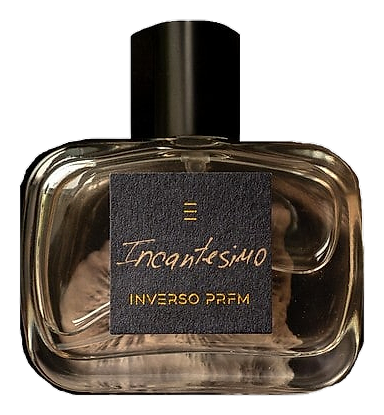
Fragrances featuring White Lavender

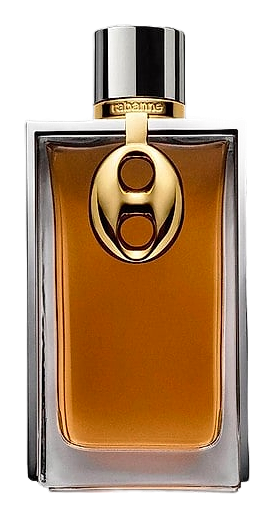
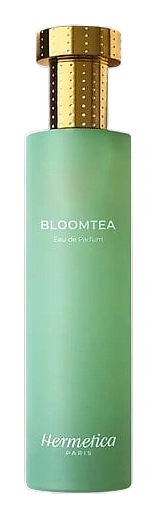
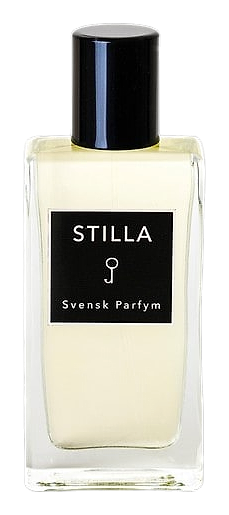
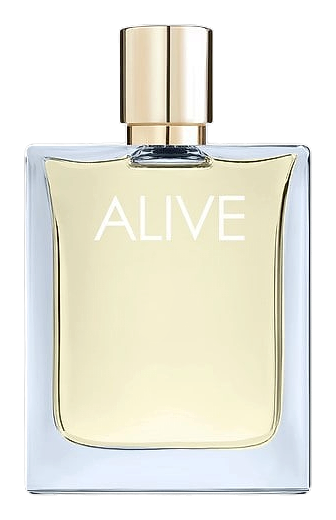
Brands
Brands known for White Lavender
Good to know
Questions, answered
The essentials on White Lavender in perfumery: how it smells, where it comes from, and how it behaves on skin.
What does white lavender smell like compared to regular lavender?
White lavender smells softer and more refined, with reduced camphor notes and a cleaner, slightly sweeter herbaceousness. Where regular lavender projects boldly, white lavender whispers.
Is white lavender a different plant species?
No. White lavender is simply a cultivar variant of Lavandula angustifolia. The plant produces white flowers instead of purple, with subtly different oil composition.
Why is white lavender oil more expensive?
White lavender represents a small fraction of total lavender cultivation—under 5% globally. Combined with lower oil yields per hectare, scarcity drives premium pricing.
What fragrance families use white lavender?
White lavender appears primarily in aromatic, fougère, and fresh floral compositions. Its gentler profile makes it valuable for airy colognes, skin-close fragrances, and sophisticated masculine blends.
Does white lavender have therapeutic properties?
Like all Lavandula angustifolia, white lavender contains linalool and linalyl acetate compounds associated with calming effects. The aromatherapy profile remains similar, though subtly softer.
What countries produce white lavender?
France remains the primary source, specifically high-altitude regions of Provence. Limited cultivation exists in England, Australia, and New Zealand, but volumes are negligible compared to French production.
How should white lavender be stored?
Store in dark glass bottles away from heat and light. The delicate aromatic compounds oxidize faster than standard lavender oil, typically maintaining quality for 2-3 years sealed.
Can white lavender be synthesized?
Synthetic replicas capture individual compounds like linalool, but cannot fully replicate white lavender's complex blend of minor aromatics. Natural extraction remains superior for authentic character.