White Gaiac Wood
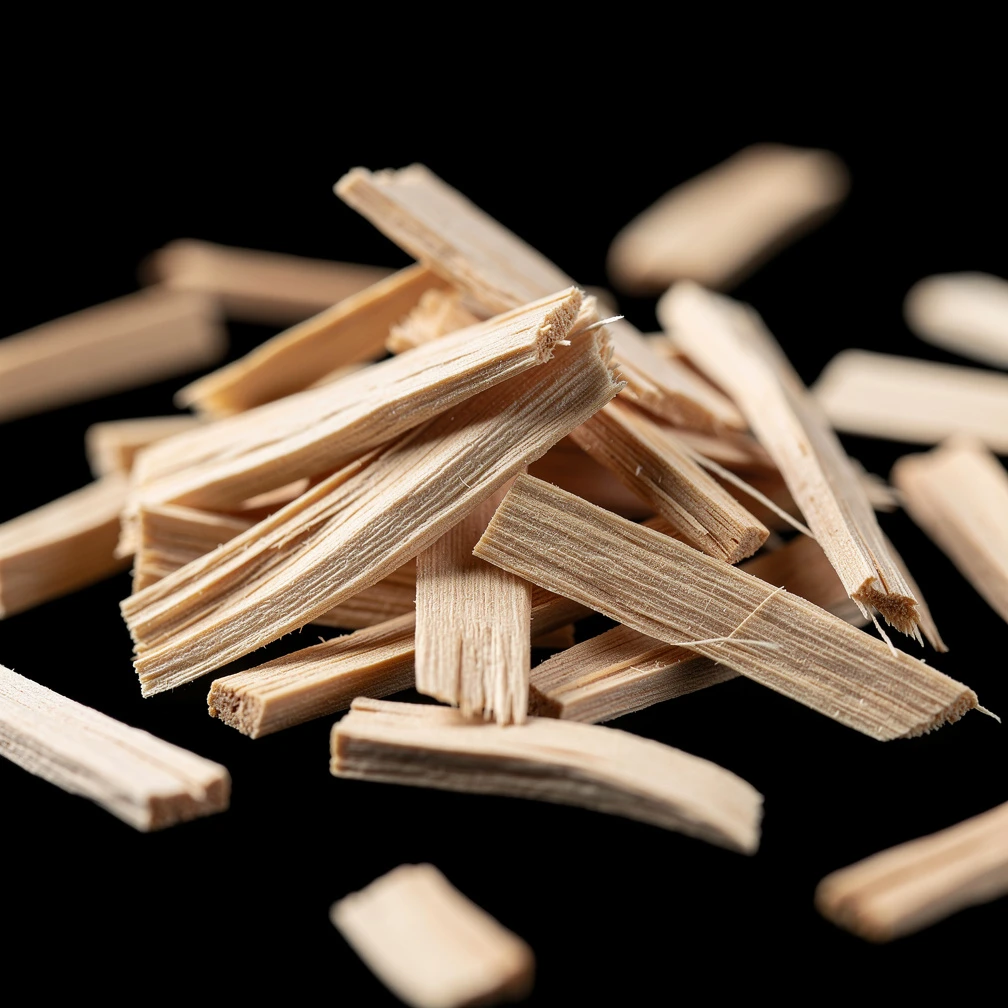
White gaiac wood brings a pale, gently smoky character to perfumery, pairing resinous woods with soft vanilla, spice, and subtle floral facets.
Character
How it smells
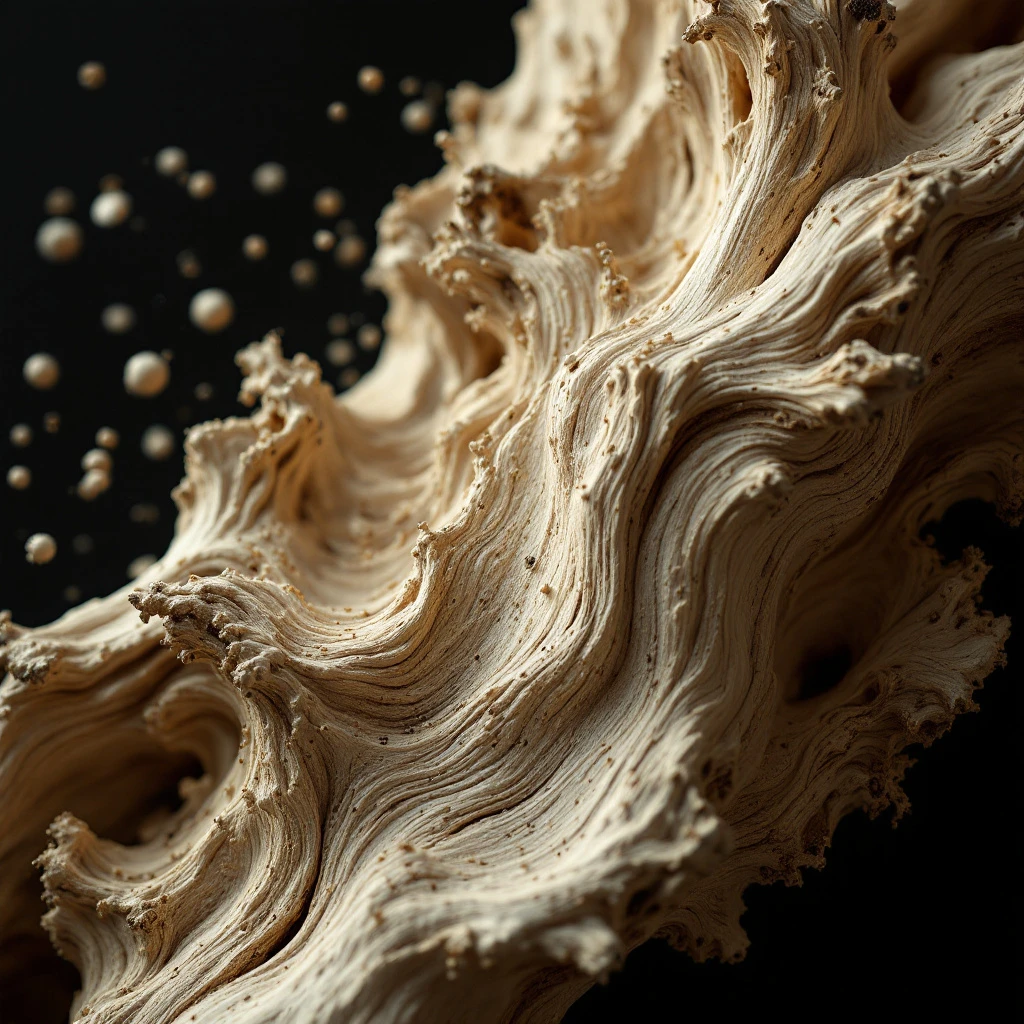
A pale, resinous wood with a warm smoky pulse.
Guaiac wood entered wider perfumery use during the 19th century as interest in distinctive New World materials grew.
Pairs beautifully with

Origin
Paraguay
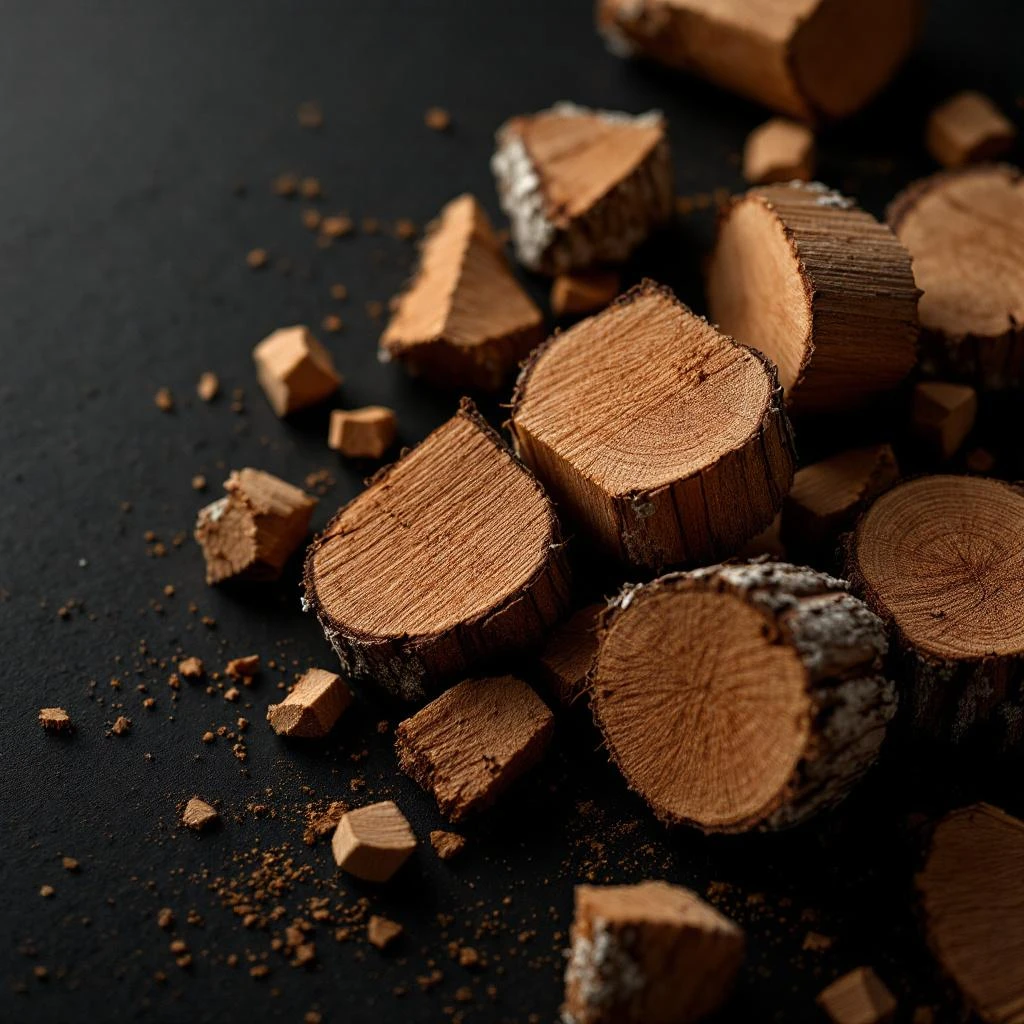
Guaiac wood comes from trees associated with tropical South America and the Caribbean. Its resin-rich heartwood was historically valued as a source of aromatic material, and references to guaiac in medicinal and aromatic practices extend back centuries.
The wood became especially notable in European trade and perfumery during the 19th century, when new botanical materials from the Americas attracted growing interest. Its name is commonly linked to a Latin expression meaning “wood of life,” a reflection of its historical reputation rather than a description of the fragrance itself.
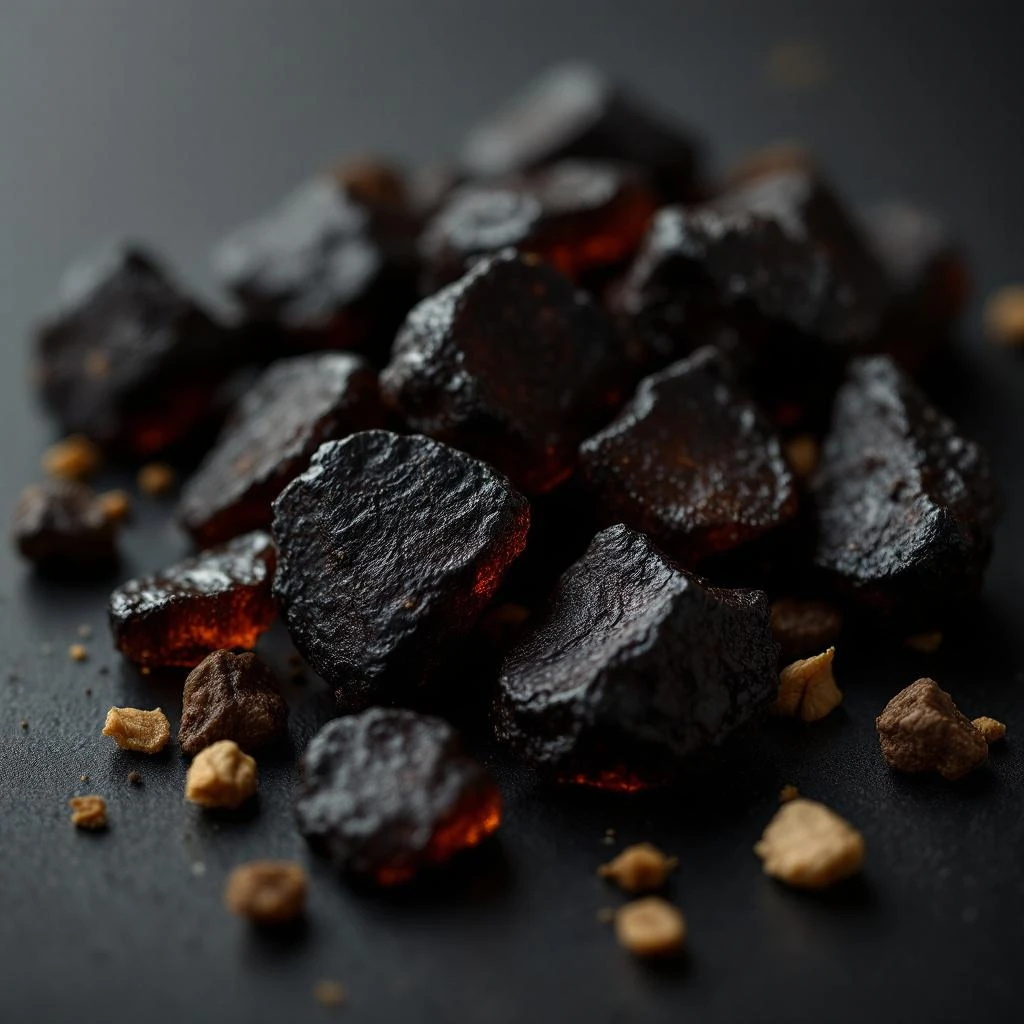
In modern perfumery, guaiac oil is valued less for brightness than for its grounded character: smoky wood, resin, soft vanilla, and a restrained balsamic warmth. The material also recalls the broader history of natural perfumery, when plant extracts formed the base of fragrance making before synthetic aroma compounds expanded the available palette.
Wears it best
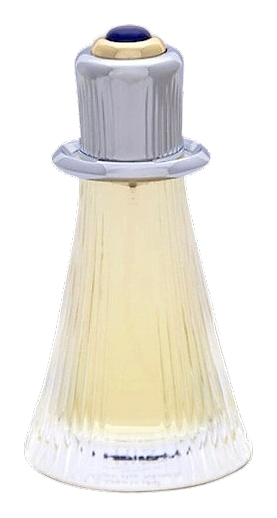
Fragrances featuring White Gaiac Wood
Brands
Brands known for White Gaiac Wood
Good to know
Questions, answered
The essentials on White Gaiac Wood in perfumery: how it smells, where it comes from, and how it behaves on skin.
What does white gaiac wood smell like in perfume?
White gaiac wood smells woody, resinous, and softly smoky, with gentle vanilla-like sweetness and a light balsamic warmth. It is usually a supporting note that adds depth rather than sharp brightness.
What part of the guaiac tree is used for fragrance?
Fragrance oil is extracted from the dried heartwood, the aromatic inner wood of mature guaiac trees. Sapwood is generally less important because its resin content and scent are weaker.
Where is guaiac wood native?
Guaiac trees are native to South America and parts of the Caribbean. Paraguay is an important commercial source, although fragrant guaiac wood is traded from several countries in the region.
How is guaiac wood oil extracted?
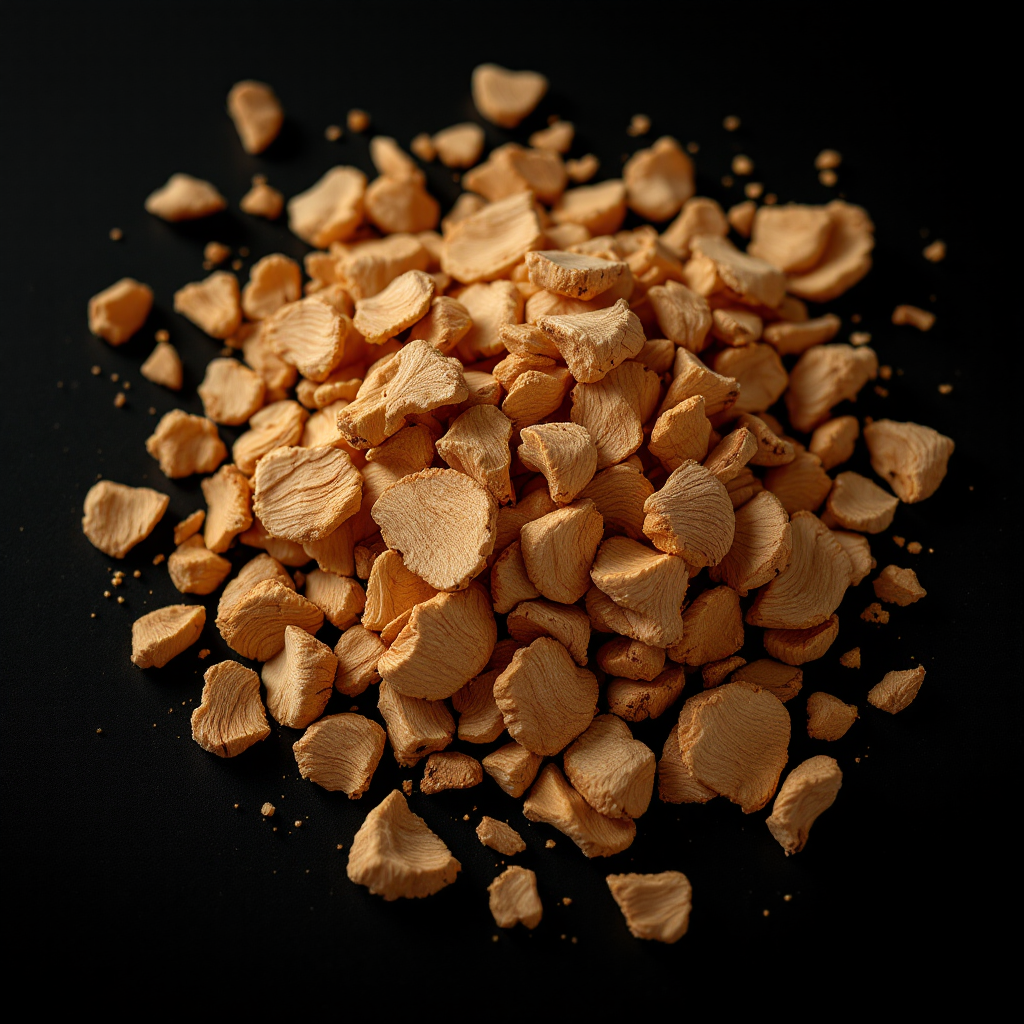
The heartwood is chipped or ground, then processed by steam distillation or solvent extraction. The method and wood quality affect the balance of smoky, resinous, and vanillic facets.
Is guaiac wood the same as guaiac oil?
Guaiac wood is the plant material, while guaiac oil is the aromatic concentrate obtained from it. In a perfume ingredient list, the oil or a related isolate is usually what appears.
When did guaiac wood become important in perfumery?
Guaiac wood gained wider recognition in the 19th century as interest in distinctive botanical materials expanded. Its long history as a traded aromatic wood helped establish its place in perfumery.
Does white gaiac wood smell strong or subtle?
It is generally subtle but persistent, with a smooth woody center and restrained smoke. In fine fragrance, it often works as a base or middle note that gives other materials greater depth.
What fragrance notes pair well with guaiac wood?
Guaiac wood pairs well with sandalwood, vetiver, vanilla, resins, soft spices, and ambrette. These combinations emphasize its balsamic warmth or make its smoky structure more pronounced.