Viburnum
The intoxicating, winter-blooming white flower perfumers rarely encounter naturally. Delicate yet powerful, its scent profile blends warm, green, and sweet facets into something simultaneously delicate and complex.
Character
How it smells
The winter-blooming white flower perfumers rarely encounter naturally
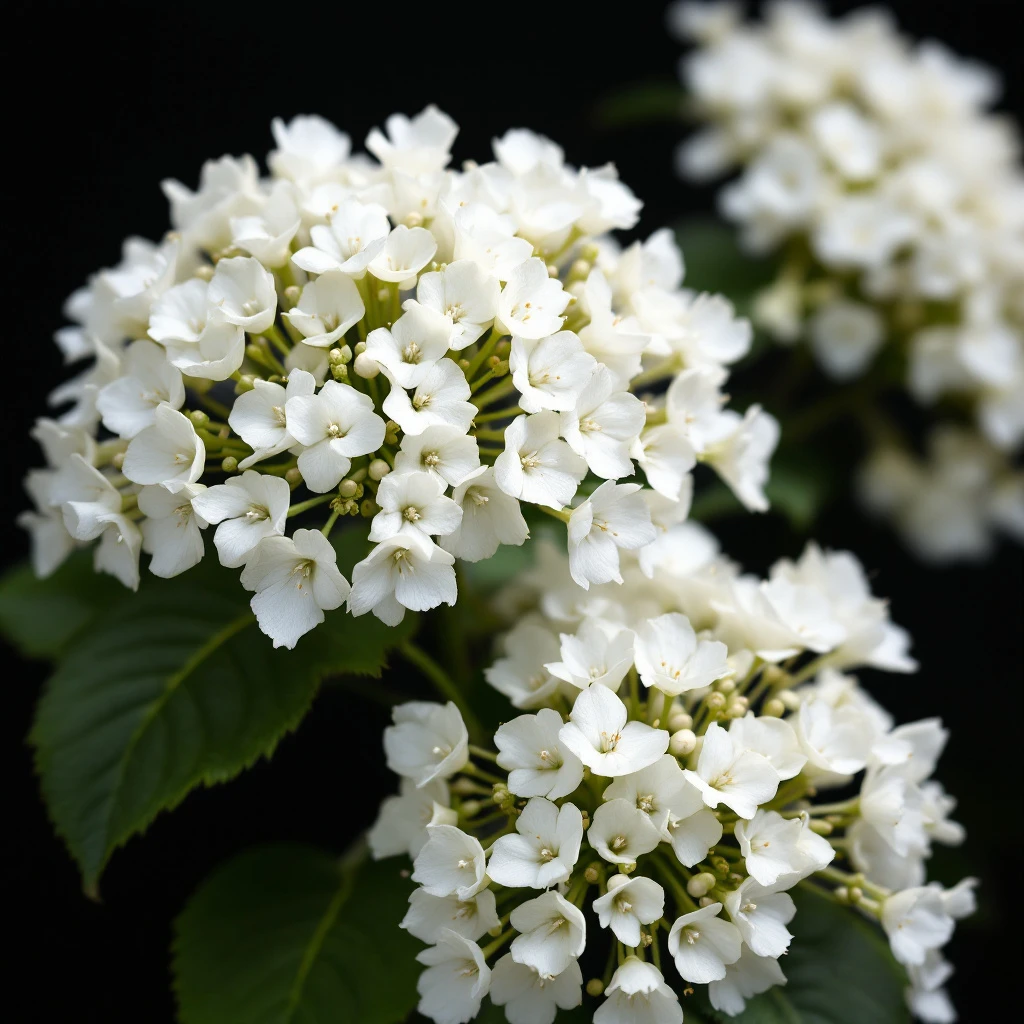
Viburnum tinus blooms during late winter and early spring when most gardens lie dormant, making its fragrant flowers especially precious and rare.



Origin
Mediterranean region
Viburnum tinus is native to the Mediterranean, with a cultivation history spanning multiple cultures. Ancient Mediterranean, Middle Eastern, and East Asian cultures valued these fragrant flowers for cosmetics, scented waters, and traditional remedies.
Medieval European gardens featured Viburnum tinus as a prized ornamental, valued for its ornamental qualities and winter-blooming habit. Victorian-era perfumers incorporated it as a botanical ingredient, though extraction challenges limited widespread commercial use.
Modern fragrance chemistry has only partially succeeded in recreating its elusive scent profile. Today Viburnum appears in fine perfumery as a rare heart note that adds emotional resonance to white floral compositions, with most consumers encountering it through skilled synthetic recreations.
Wears it best
Fragrances featuring Viburnum
Brands
Brands known for Viburnum
Good to know
Questions, answered
The essentials on Viburnum in perfumery: how it smells, where it comes from, and how it behaves on skin.
What does Viburnum smell like?
Viburnum has a warm, green, and sweet white floral scent that is simultaneously delicate and complex. It combines the romantic quality of lilac with subtle spicy undertones, creating a white floral profile that is recognizable once experienced.
Where does Viburnum grow?
Viburnum tinus is native to the Mediterranean region, spanning from the Canary Islands through Turkey. Major cultivation areas include southern France, Italy, and Spain, where the climate supports optimal flowering.
What percentage of fragrances contain Viburnum?
Viburnum appears in fewer than 5% of commercial fragrances, making it genuinely rare in perfumery. Its scarcity stems from limited natural supply and extraction challenges.
Is Viburnum natural or synthetic in perfumery?
Natural Viburnum is exceptionally rare due to minimal absolute yields from tons of flowers. Most perfumers encounter Viburnum through synthetic recreations that capture its distinctive warm, green, white floral character.
What is the historical significance of Viburnum?
Ancient Mediterranean cultures used Viburnum flowers in cosmetics and traditional remedies. Medieval gardens cultivated the winter-blooming plant for ornamental and aromatic purposes, while Victorian perfumers sought it despite extraction difficulties.
When is Viburnum harvested?
Viburnum tinus blooms during late winter and early spring. Hand-harvesting occurs in early morning when dew still clings to the petals, preserving aromatic compounds at peak concentration. Natural supplies are available seasonally.
What notes pair well with Viburnum?
Viburnum pairs naturally with other white florals like lilac and honeysuckle. Green notes such as Galbanum complement its fresh facets, while jasmine and rose create harmonious base combinations.
Why is Viburnum considered precious in perfumery?
Viburnum absolute yields minimally from tons of flowers, making it exceptionally rare and precious in fine perfumery. Its winter-blooming habit and delicate aromatic profile contribute to its value as an uncommon fragrance note.