Vetyvalone
A sophisticated synthetic aroma that captures vetiver's signature depth. Vetyvalone distills the essence of earthy smoke and woody warmth into a molecule engineered for precision and consistency in modern perfumery.

Character
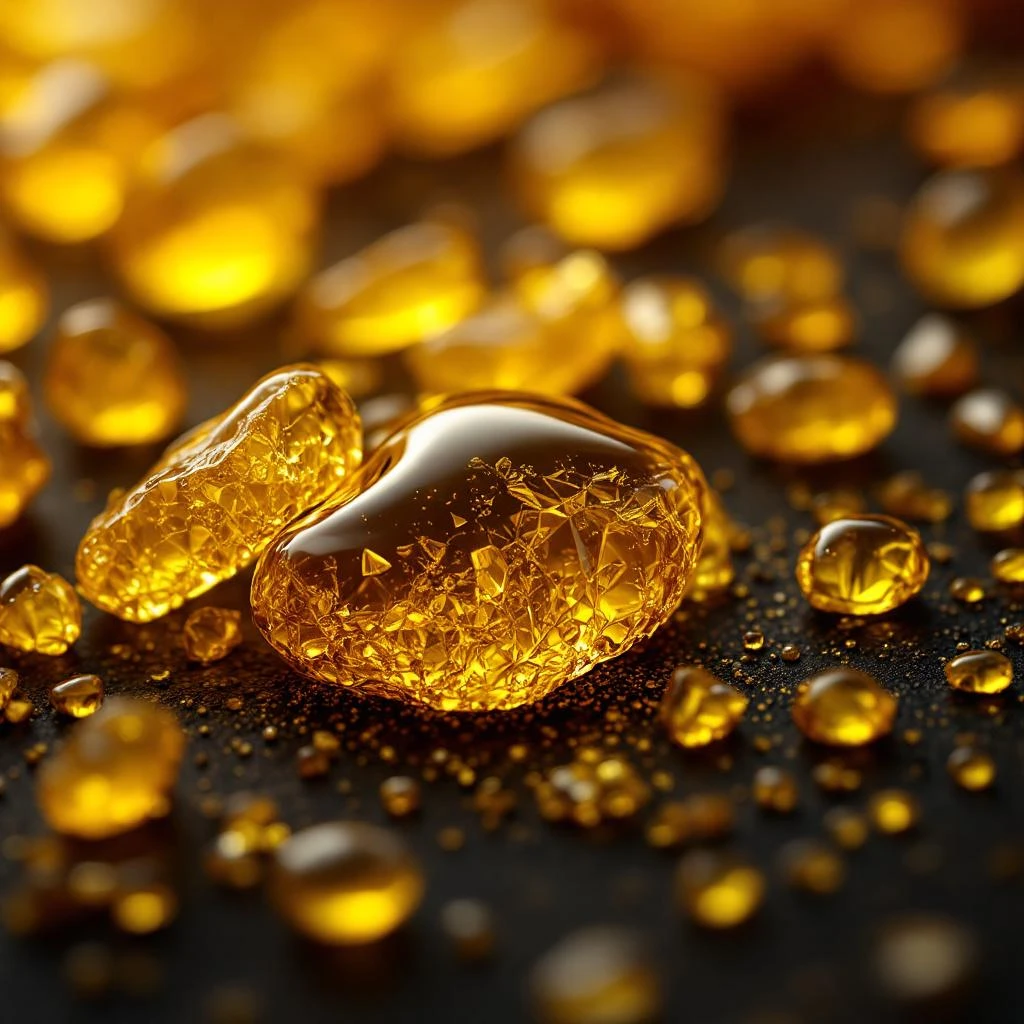
How it smells
Vetiver's soul, distilled into precision.
Firmenich chemists spent years reverse-engineering vetiver's complex aroma to isolate exactly which molecules create its characteristic smoky depth.







Origin
Switzerland
Before Vetyvalone existed, perfumers faced a persistent challenge. Natural vetiver oil varied dramatically between Haitian, Javanese, and Réunion Island harvests in aroma character and intensity. During the mid-20th century, synthetics had not yet accurately captured vetiver's layered complexity.
The post-war perfume industry demanded ingredients that could perform reliably at industrial scale. Swiss aroma houses led research into understanding exactly what makes vetiver smell like vetiver. Their investigation revealed that no single molecule creates the effect.
Instead, vetiver's character comes from a specific ratio of several aromatic compounds interacting together. Vetyvalone represented a breakthrough: the first synthetic designed to deliver that exact aromatic relationship artificially.
Wears it best
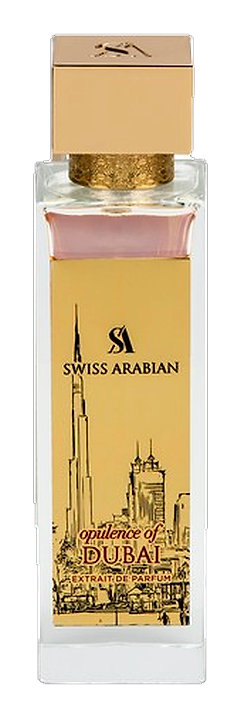
Fragrances featuring Vetyvalone
Brands
Brands known for Vetyvalone
Good to know
Questions, answered
The essentials on Vetyvalone in perfumery: how it smells, where it comes from, and how it behaves on skin.
What is Vetyvalone?
Vetyvalone is a synthetic aromatic compound developed to mimic vetiver oil's characteristic scent profile. Chemists designed it to deliver the earthy, smoky, and woody qualities of natural vetiver without the cost and variability of botanical extraction. It consists of blended aromatic molecules that together reproduce vetiver's signature depth.
Does Vetyvalone smell like real vetiver?
Yes, Vetyvalone captures vetiver's core aromatic signature including its earthy smoke, woody warmth, and slightly bitter undertones. While not an exact identical match, perfumers consider it an effective substitute that maintains the spirit of the natural material. The synthetic version offers greater consistency between batches.
Why did chemists create Vetyvalone?
Natural vetiver oil carries significant price volatility due to crop variability, distillation yields, and transportation costs. Vetyvalone emerged as an economic alternative that delivers reliable aroma performance batch after batch. Perfumers gained a material unaffected by harvest conditions or regional differences in growing regions like Haiti, Java, and Réunion.
When was Vetyvalone developed?
Vetyvalone entered the flavor and fragrance industry during the 1970s. The development coincided with a period when synthetics became more sophisticated in replicating complex natural profiles. Swiss aroma houses pioneered this work, advancing from simple single-molecule alternatives to nuanced molecular blends that more fully capture botanical complexity.
Is Vetyvalone natural or synthetic?
Vetyvalone is entirely synthetic. Its molecular components are created through controlled chemical synthesis rather than extraction from plants. This production method ensures batch-to-batch consistency and eliminates reliance on agricultural supply chains. The ingredient contains no natural vetiver oil but delivers comparable aromatic effects.
What fragrances use Vetyvalone?
Formulators use Vetyvalone primarily in functional fragrances, body care products, and men's grooming lines where cost-effective scent is priority. Premium fine fragrances typically prefer natural vetiver or complex molecular constructs, while Vetyvalone finds homes in mid-market masculine aftershaves, deodorants, and housekeeping products.
How is Vetyvalone different from Iso E Super?
Both are synthetics used for woody effects, but they target different scent qualities. Vetyvalone specifically reproduces vetiver's smoky, earthy profile with bitter-green undertones. Iso E Super provides cedar-like woody warmth with a clean, nearly imperceptible drydown. Perfumers often use both together to layer different wood tones in a composition.
Is Vetyvalone safe for skin application?
Vetyvalone has established safety credentials for cosmetic and fragrance use under IFRA guidelines. As with all aroma chemicals, its concentration in finished products must comply with application-specific limits. Consumer products containing Vetyvalone at regulated levels are considered safe for their intended use.