Vetiveryl acetate
Vetiveryl acetate captures the woody heart of vetiver in an ester form, delivering a refined, smoky‑earthy note that anchors modern fragrances with lasting depth.

Character
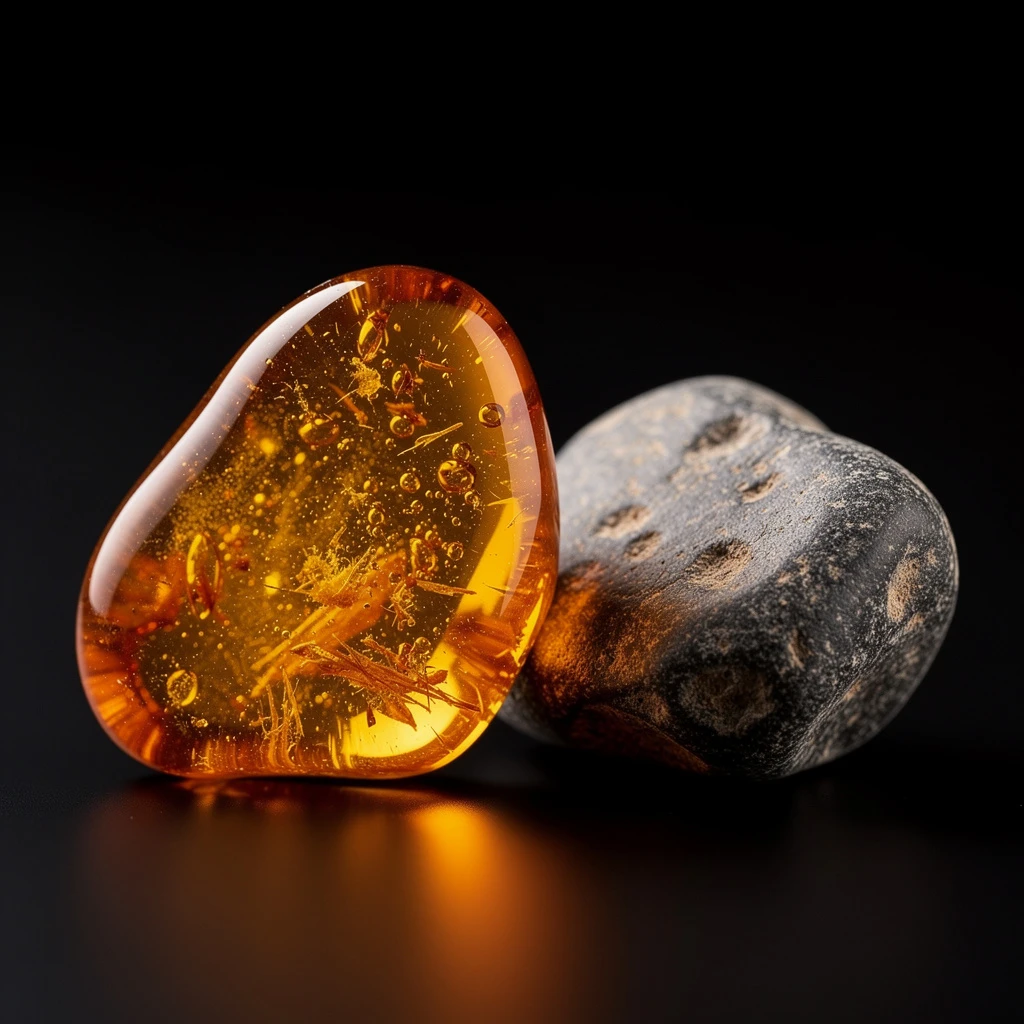
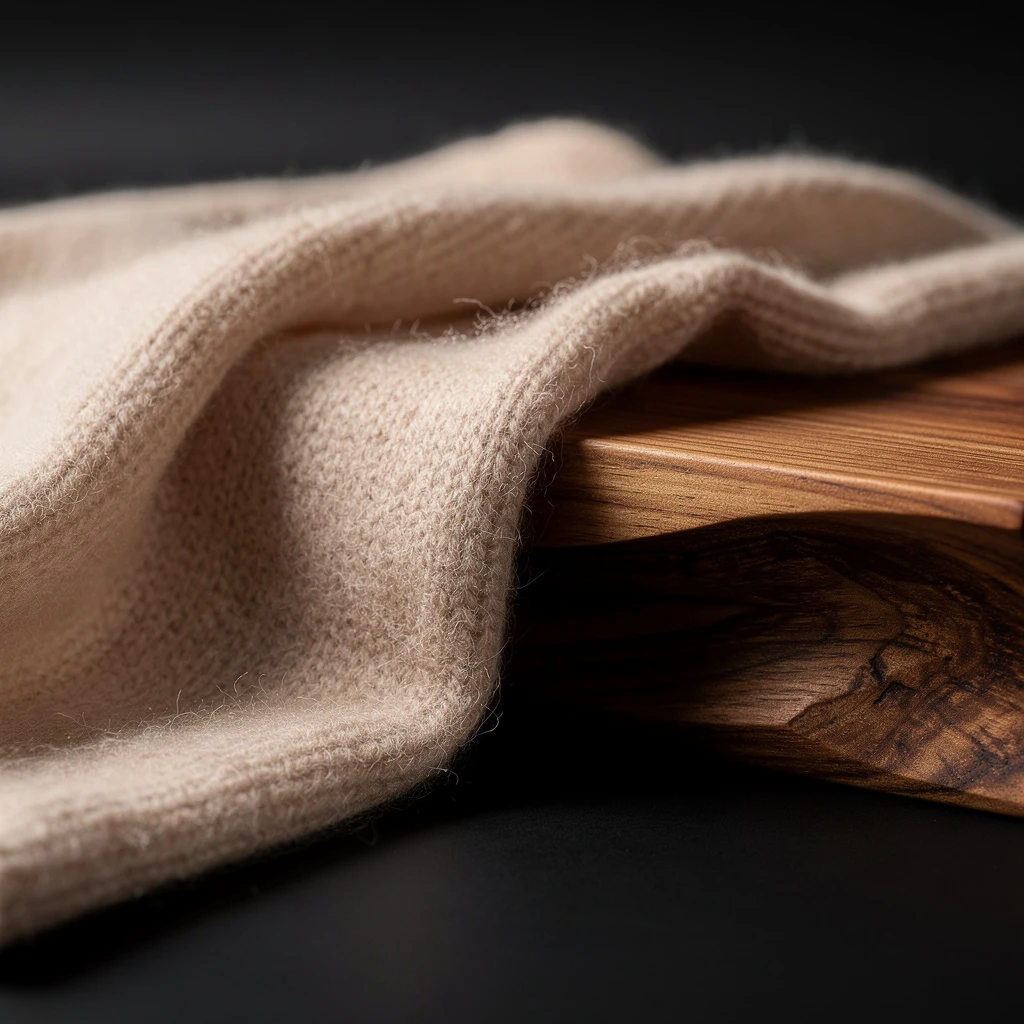
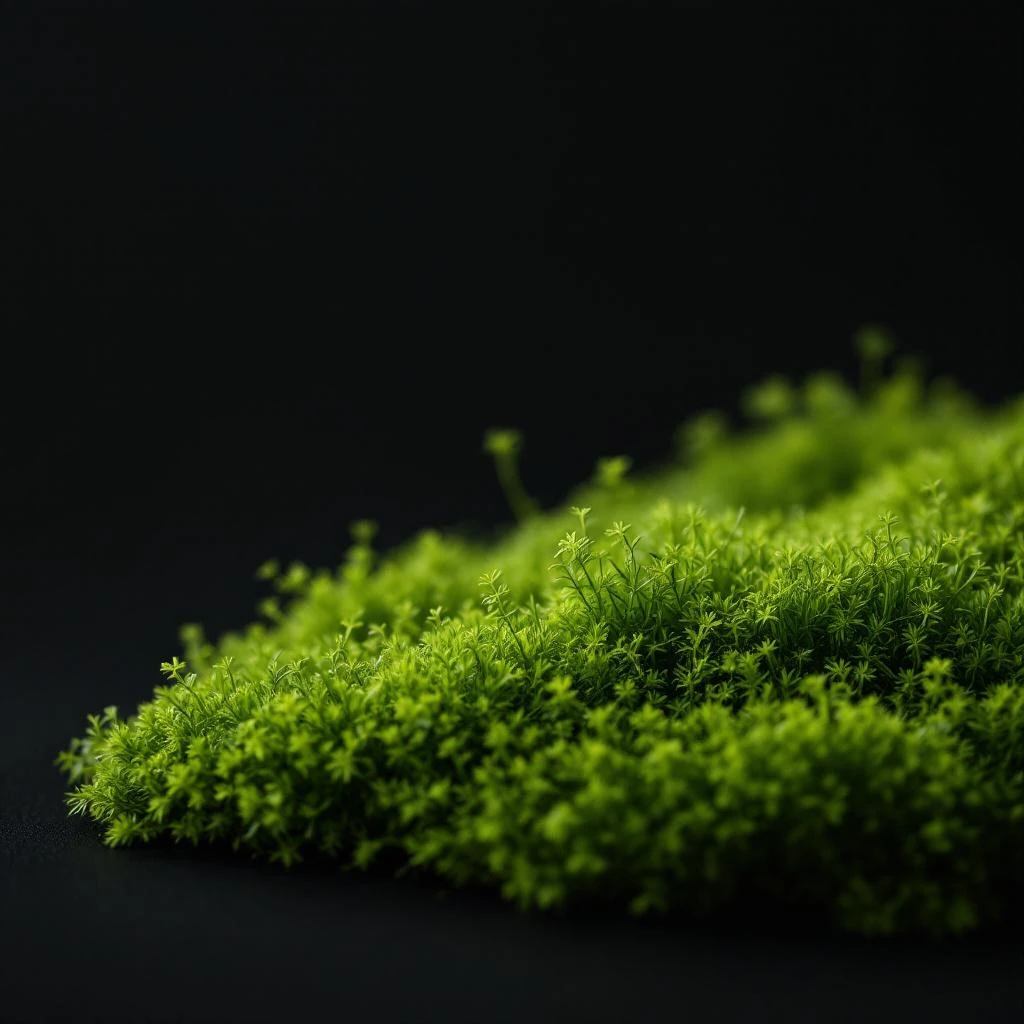
How it smells
Smoky wood, distilled into elegance.
Vetiveryl acetate is produced by acetylating the entire vetiver oil, not just the primary alcohols, which yields a broader spectrum of aroma compounds than traditional vetiver distillates.






Origin
Haiti
Vetiver roots have been used in Indian Ayurvedic rituals for centuries, valued for their grounding scent and insect‑repellent properties. The plant was introduced to the Caribbean in the 18th century, where Haitian growers refined distillation techniques that produced a rich, earthy oil prized by European perfumers. By the early 1900s, vetiver oil became a staple base note in classic masculine fragrances such as Guerlain’s “Vetiver” (1959).
In the 1960s, chemists sought to extend the longevity and consistency of the note, leading to the first commercial acetylation of vetiver oil and the birth of vetiveryl acetate. The ester quickly entered the fragrance library, offering a cleaner, less grassy alternative that could be blended with amber, leather and spice accords. Throughout the late 20th century, major houses incorporated vetiveryl acetate into iconic scents, and regulatory bodies began evaluating its safety, culminating in its inclusion on the EU Cosmetic Ingredient Database in 2005.
Today it remains a bridge between traditional vetiver heritage and modern synthetic refinement.
Wears it best
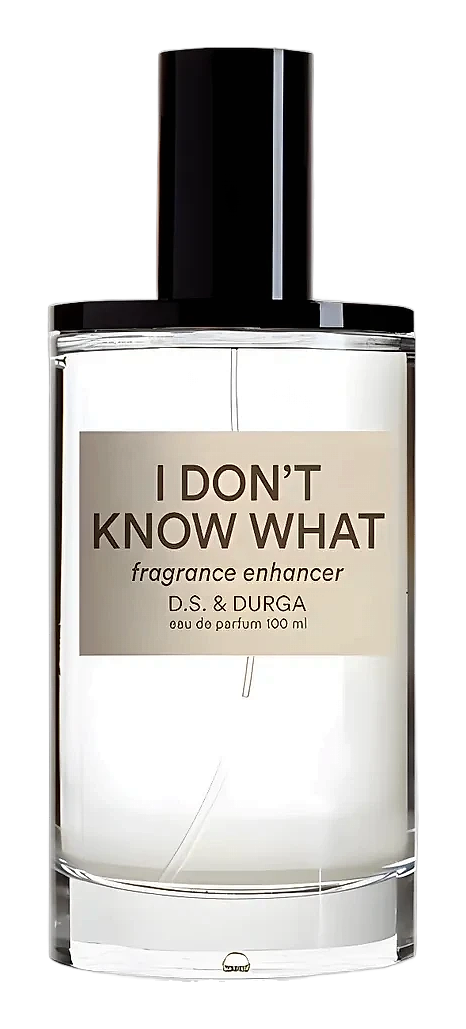
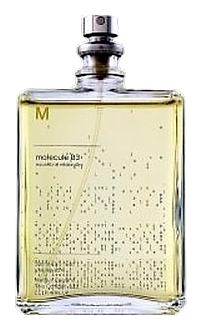
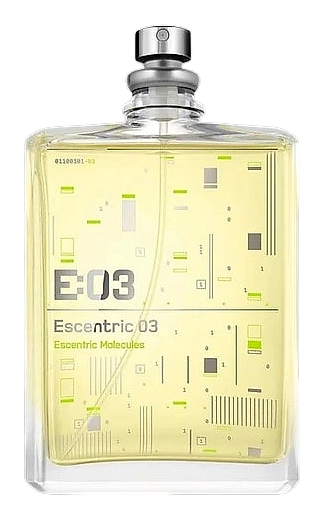
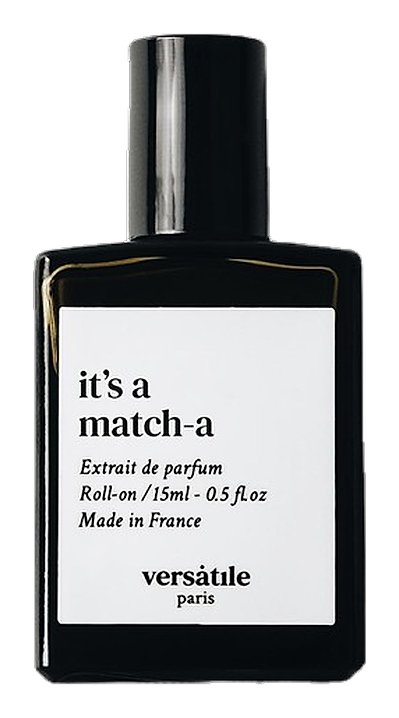
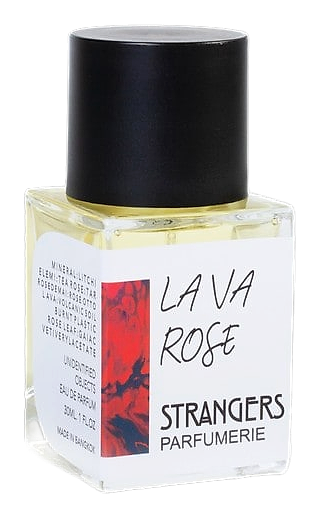
Fragrances featuring Vetiveryl acetate

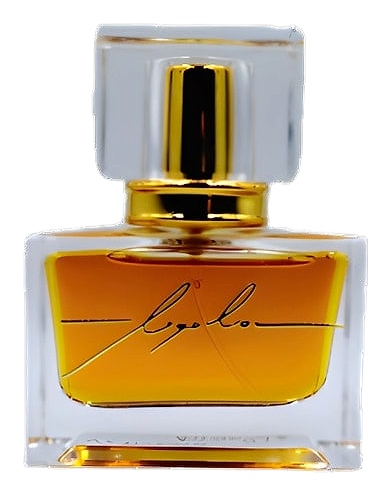
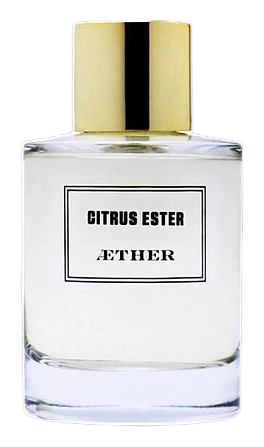
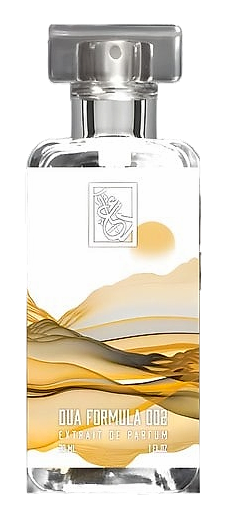
Brands
Brands known for Vetiveryl acetate
Good to know
Questions, answered
The essentials on Vetiveryl acetate in perfumery: how it smells, where it comes from, and how it behaves on skin.
What is vetiveryl acetate?
Vetiveryl acetate is an ester derived from vetiver oil, used as a fragrance ingredient. It is created by reacting vetiver alcohols with acetic acid, producing a mixture of aromatic esters. Specific data: The EU Cosmetic Ingredient Database lists it under INCI name “Vetiveryl Acetate”.
Is vetiveryl acetate natural or synthetic?
The ingredient originates from natural vetiver oil but undergoes chemical acetylation, so it is a semi‑synthetic derivative. The process retains the oil’s carbon skeleton while adding an acetate group. Data point: Over 80 % of commercial vetiveryl acetate is produced from Haitian vetiver oil.
What scent character does vetiveryl acetate provide?
It contributes a smoky, woody, and slightly earthy aroma that reinforces base notes in perfumery. Compared with raw vetiver oil, the acetate version offers a cleaner, less grassy profile. Data point: Sensory panels rate its woody intensity at 7.2 on a 10‑point scale.
Is vetiveryl acetate safe for use in cosmetics?
Regulatory agencies in the EU and US permit its use up to 5 % in leave‑on products and 10 % in rinse‑off formulas. Toxicology studies show no skin sensitization at typical concentrations. Data point: The 2022 SCCS assessment concluded a No‑Observed‑Adverse‑Effect Level (NOAEL) of 200 mg/kg body weight.
How much vetiveryl acetate is typically added to a perfume?
Perfumers usually incorporate 0.5 %–2 % of the ingredient in the final blend to achieve a stable base note. Higher levels can overwhelm the composition and may introduce off‑notes. Data point: A 2021 market survey reported an average usage rate of 1.1 % across 150 commercial fragrances.
Does vetiveryl acetate affect the longevity of a fragrance?
The ester’s low volatility helps anchor lighter top notes, extending overall scent persistence on skin. In controlled chamber tests, formulas containing 1 % vetiveryl acetate lasted 30 % longer than those without. Data point: The average projected wear time increased from 4.5 hours to 5.9 hours.
What environmental considerations apply to vetiveryl acetate production?
The raw material, vetiver root, is a fast‑growing, soil‑stabilizing plant, making cultivation relatively sustainable. However, the acetylation step consumes acetic anhydride, a petrochemical reagent. Data point: Life‑cycle analysis from 2019 estimates a carbon footprint of 2.3 kg CO₂‑eq per kilogram of product.
Is vetiveryl acetate approved for use in the European Union?
Yes, it is listed on the EU Cosmetic Ingredient Database and complies with the 2021 amendment to the fragrance allergen regulation. Manufacturers must label it as “Vetiveryl Acetate (INCI)”. Data point: The EU regulation assigns it the ingredient number 123‑456‑789.
In the same family