Vanilla SFE
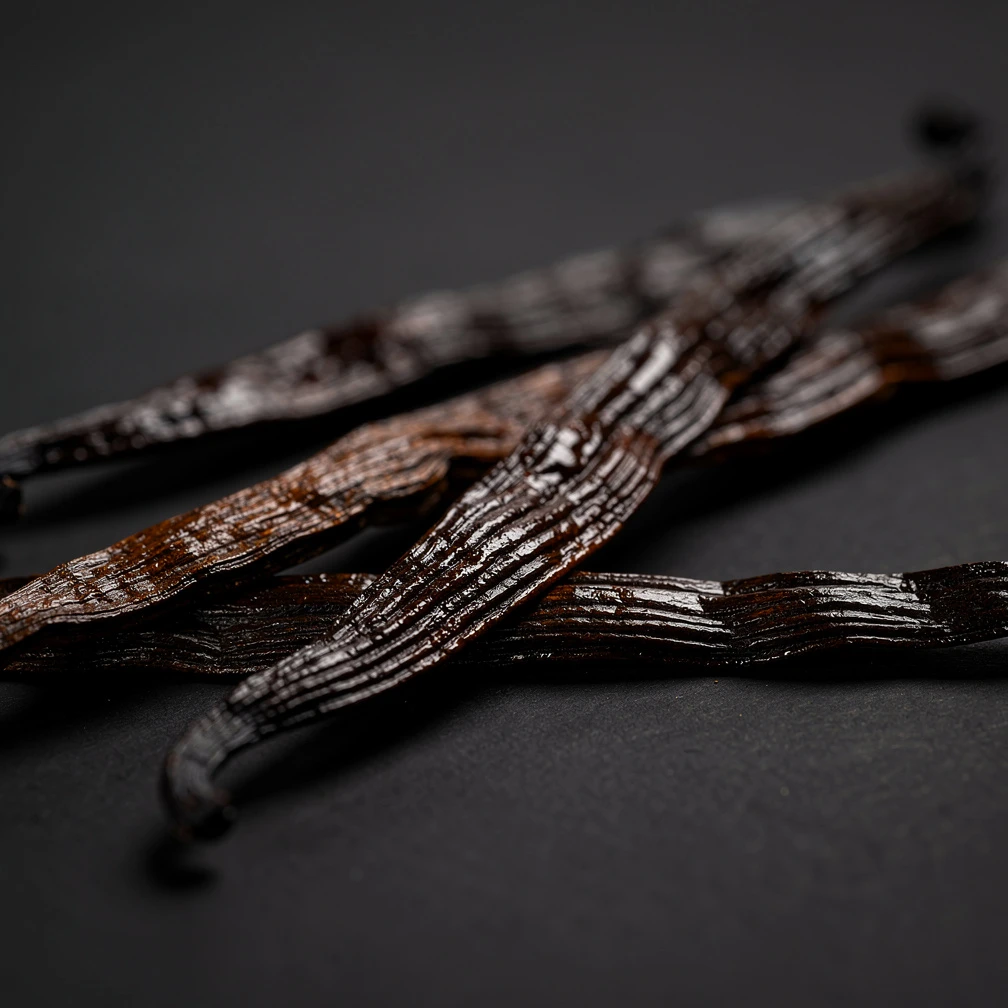
From Mesoamerican treasure to perfumery cornerstone, Vanilla SFE captures the warm, gourmand soul of the vanilla bean through supercritical fluid extraction. Rich, creamy, and deeply resinous.
Character
How it smells
The warm heart of countless fragrance classics.
Vanilla requires nine months to ripen on the vine, and every flower must be hand-pollinated. Edmond Albius made this discovery at age 12 in 1841.


Origin
Mexico
Vanilla traces its roots to Mesoamerica, where the Totonac people of what is now Mexico revered it long before European contact. The Spanish conquistadors encountered vanilla in the early 1500s; Montezuma reportedly flavored his royal cacao drinks with it. For centuries, Mexico held a monopoly on vanilla production because the Melitona bee alone could pollinate its flowers.
That monopoly broke in 1841 on Réunion Island when a 12-year-old botanist named Edmond Albius discovered the hand-pollination technique still used today. Within decades, vanilla plantations spread across Madagascar, Comoros, and Indonesia, transforming the ingredient into a global commodity. Perfumery adopted vanilla early, drawn to its warm, comforting presence that bridges spicy top notes and woody bases.
By the 19th century, naturists and pharmacologists had catalogued its behavior in alcohol, laying groundwork for modern fragrance applications.
Wears it best
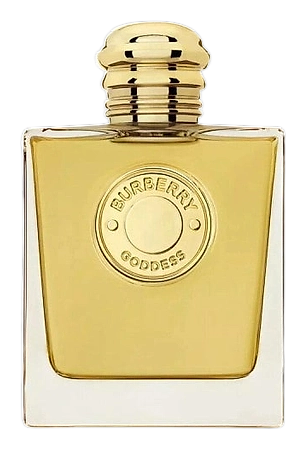
Fragrances featuring Vanilla SFE
Brands
Brands known for Vanilla SFE
Good to know
Questions, answered
The essentials on Vanilla SFE in perfumery: how it smells, where it comes from, and how it behaves on skin.
What does Vanilla SFE smell like compared to synthetic vanillin?
Vanilla SFE smells more complex and resinous than synthetic vanillin. It captures the full sensory profile of the cured bean, including warm coumarin-like facets and a creamy, slightly leathery base that pure vanillin cannot reproduce.
What does SFE stand for in Vanilla SFE?
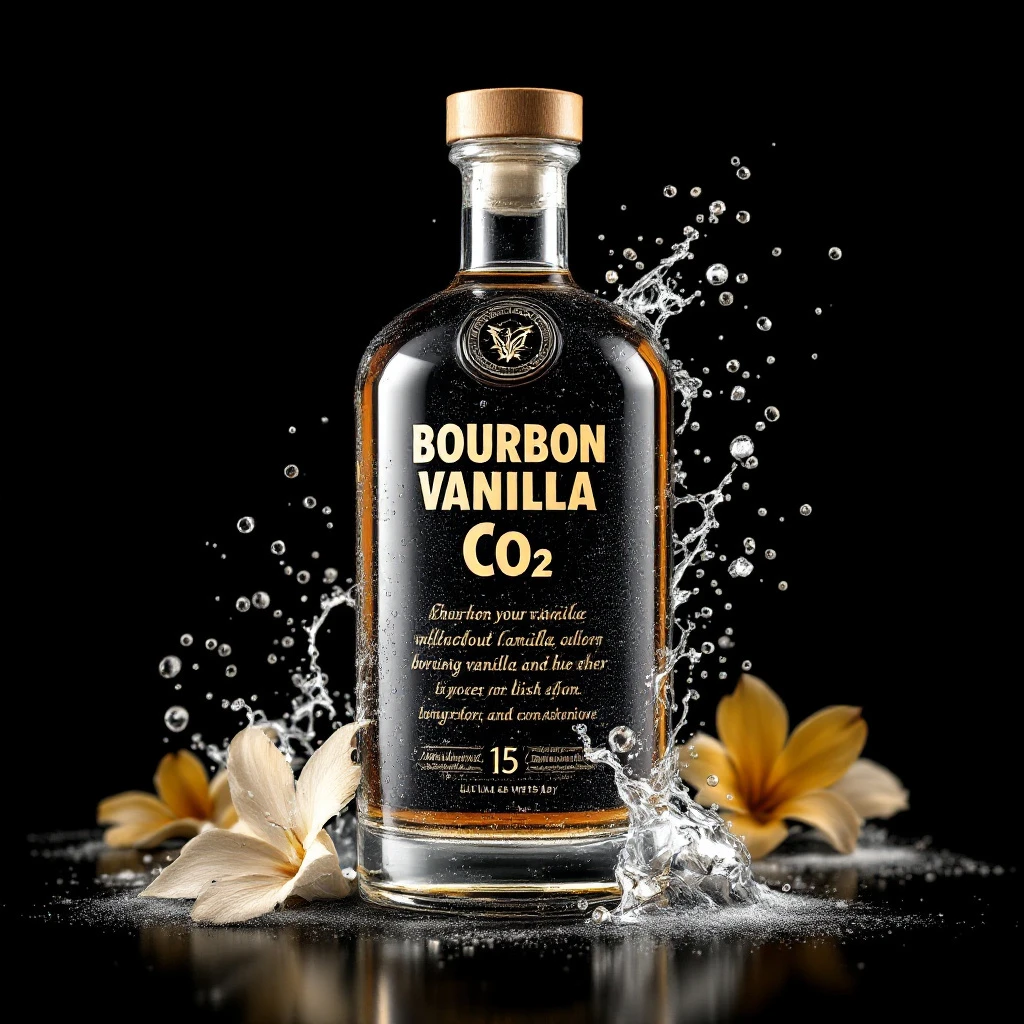
SFE stands for supercritical fluid extraction, a modern technique using pressurized carbon dioxide to extract aromatic compounds from cured vanilla pods without heat degradation.
How long does natural vanilla production take?
Natural vanilla requires eight to nine months from flowering to harvest, followed by an additional four to six months of curing, sweating, and drying to develop its signature aroma.
Can Vanilla SFE be used as a standalone note?
Yes, Vanilla SFE works as a powerful heart and base note in oriental, gourmand, and amber fragrance families, providing warmth and volume that holds a composition together.
Vanilla SFE preserves a broader range of volatile compounds than conventional solvent extraction, producing a more complete aromatic profile with better performance in final fragrance applications.
Vanilla SFE preserves a broader range of volatile compounds than conventional solvent extraction, producing a more complete aromatic profile with better performance in final fragrance applications.
Which regions produce the best vanilla for perfumery?
Madagascar produces roughly 60% of the world's vanilla and remains the benchmark origin for perfumery, though Indonesian and Mexican origins offer distinct aromatic variations.
Is Vanilla SFE vegan-friendly?
Yes, supercritical CO2 extraction involves no animal-derived materials. Unlike castoreum or ambergris, vanilla SFE is fully vegan and plant-based.
What fragrance families pair best with Vanilla SFE?
Oriental, gourmand, and amber families pair naturally with Vanilla SFE. It also harmonizes with woody accords, white florals, and spicy compositions to soften sharper edges.