Bourbon Vanilla Absolute CO2
Madagascar Bourbon Vanilla extracted with supercritical CO2 at low temperature preserves the full aromatic truth of the pod: warm, creamy depth with animalic undertones that synthetic vanillin cannot replicate. This is the real thing, not a novelty
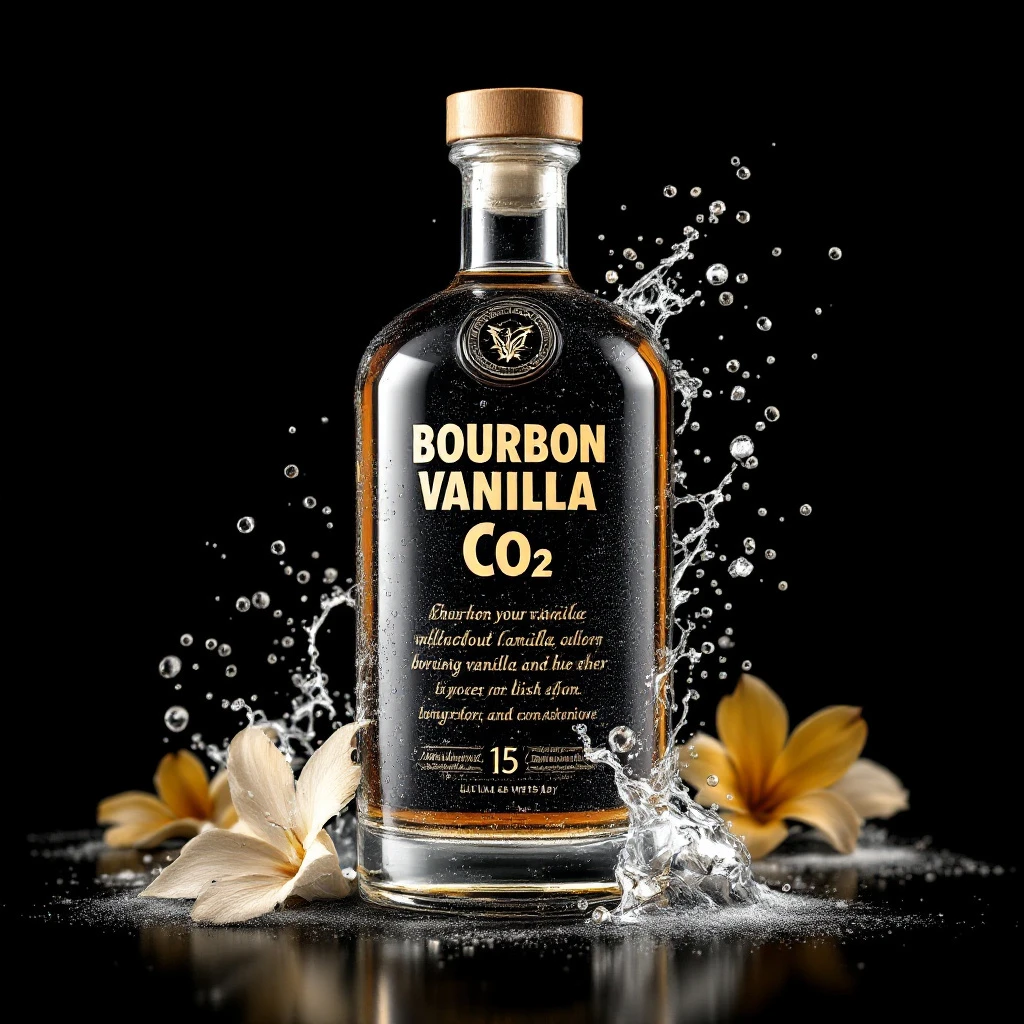
Character
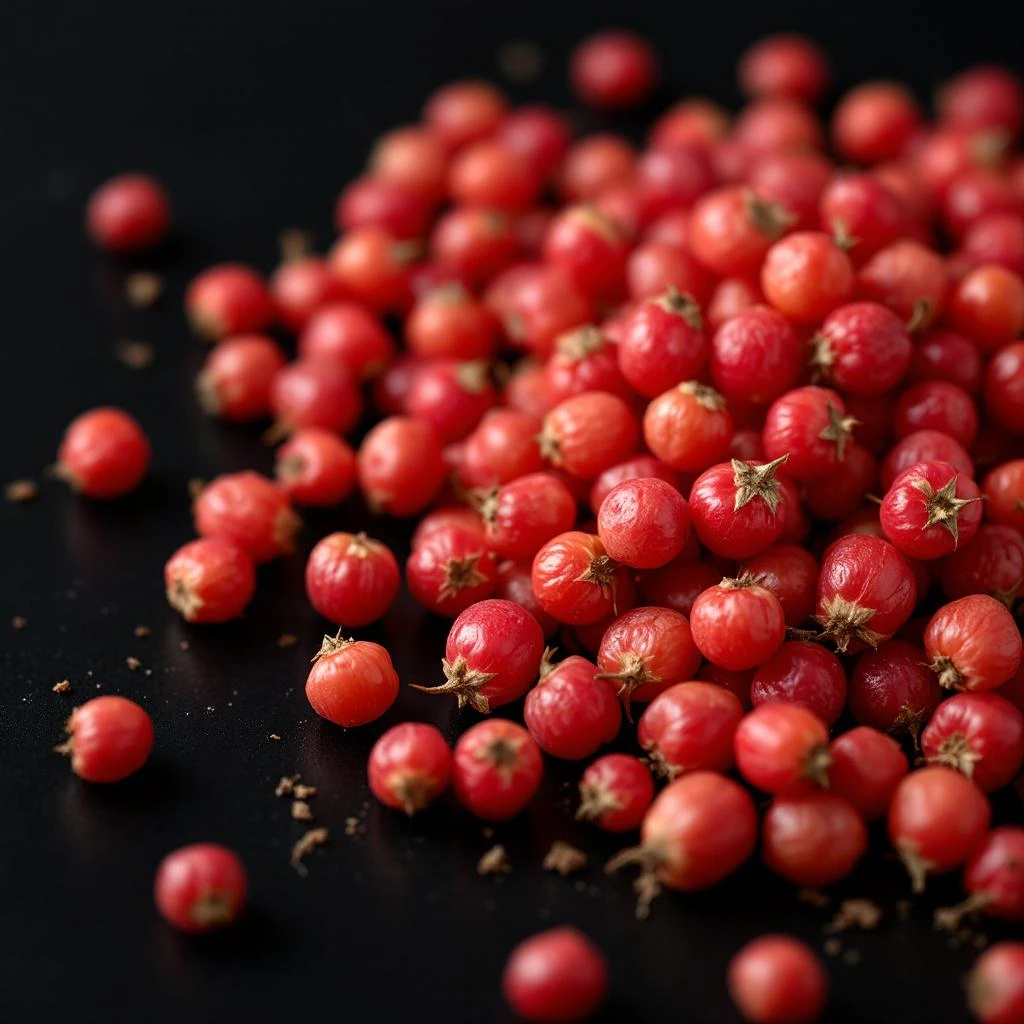
How it smells
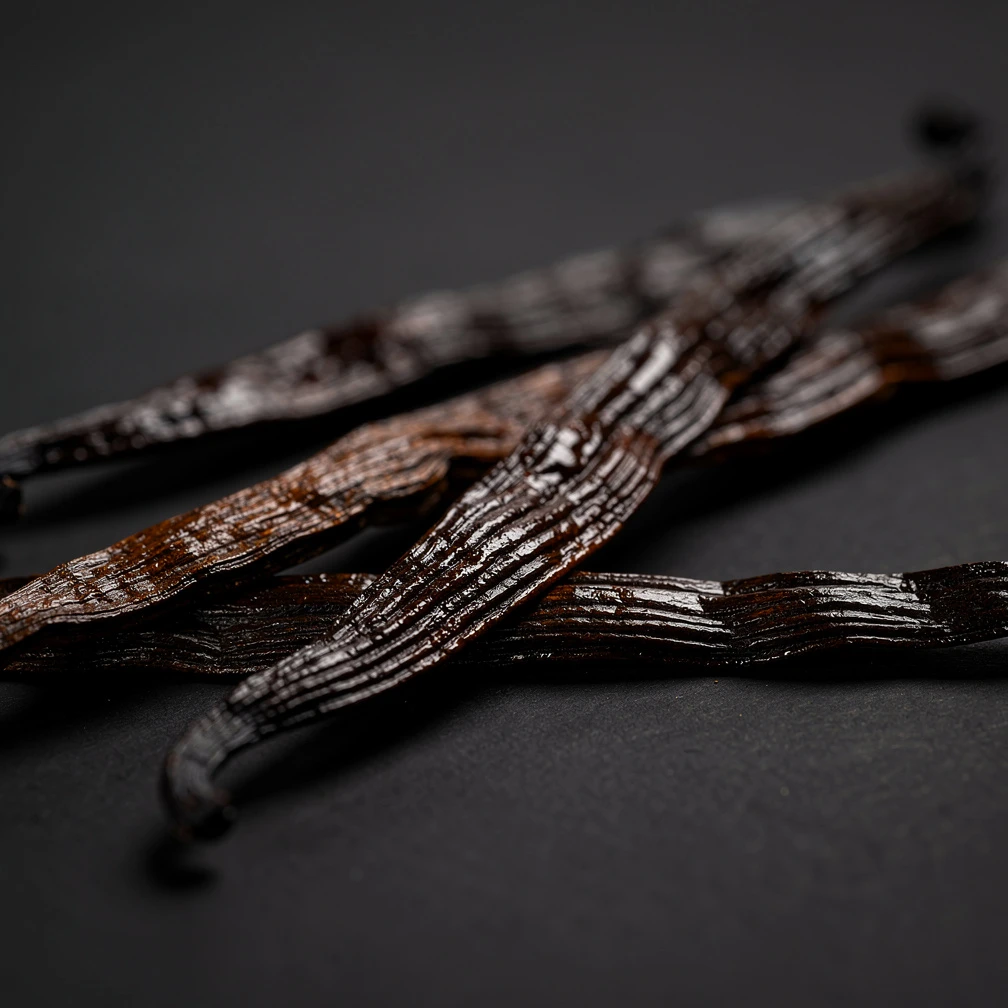
The vanilla pod, extracted at its honest best
Orchids rarely fruit without pollination. Vanilla's hand-pollination breakthrough in 1841 unlocked global cultivation.



Origin
Madagascar
Vanilla's story starts in Mesoamerica, where the Totonac people cultivated it centuries before European contact. The Aztecs prized the cured pod as a flavour for cacahuatl, grinding it with cacao. Spanish conquistadors carried vanilla back to Europe in the 1520s, where it remained a rare colonial luxury for generations.
The mystery of why vanilla refused to fruit outside its native range persisted until 1841, when a twelve-year-old enslaved boy named Edmond Albius on Réunion Island developed the hand-pollination technique that unlocked commercial cultivation. From Réunion—then called the Isle of Bourbon—vanilla spread to Mauritius, the Seychelles, and most importantly Madagascar, which now produces roughly 80 percent of the world's supply. Perfumery adopted vanilla in 1921 when Guerlain's Jicky became the first modern fragrance to blend natural vanilla absolute with synthetic vanillin.
That contrast between the warm, complex absolute and the flat sweetness of isolated vanillin remains the defining tension in vanilla perfumery today.
Wears it best
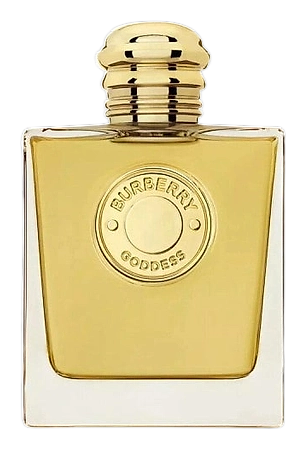
Fragrances featuring Bourbon Vanilla Absolute CO2
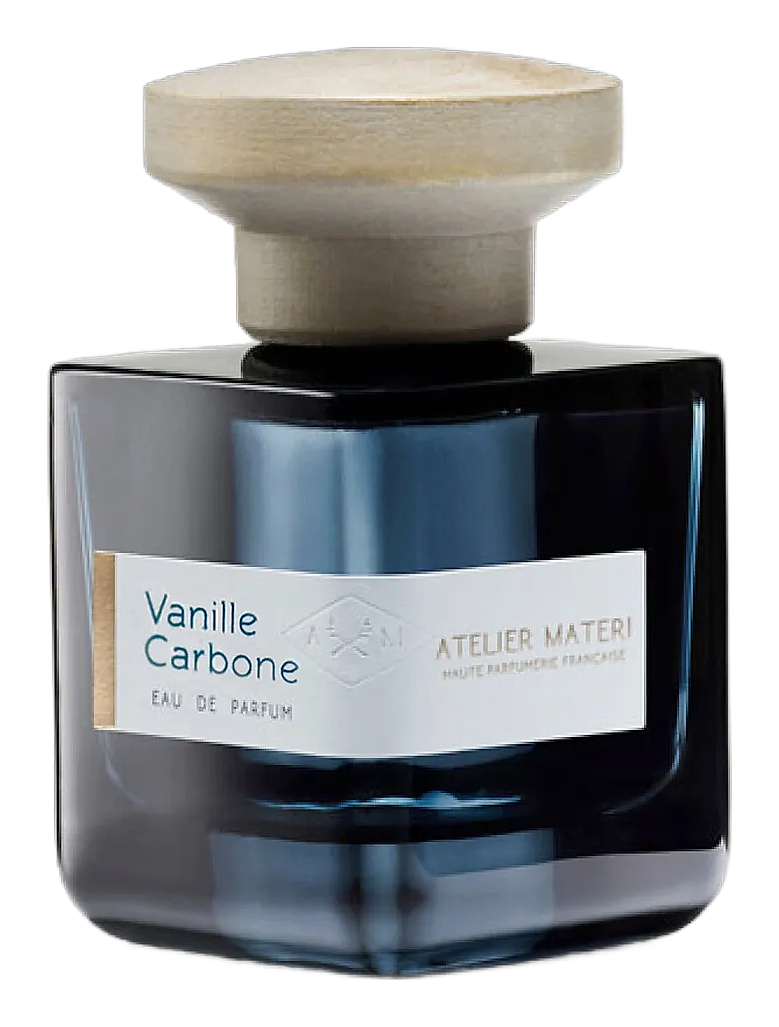
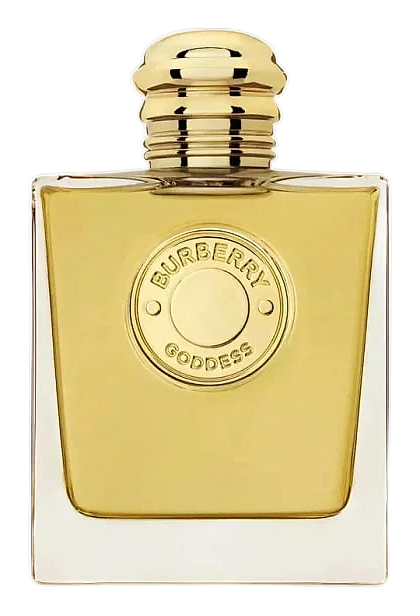
Brands
Brands known for Bourbon Vanilla Absolute CO2
Good to know
Questions, answered
The essentials on Bourbon Vanilla Absolute CO2 in perfumery: how it smells, where it comes from, and how it behaves on skin.
What is Bourbon Vanilla Absolute CO2?
Bourbon Vanilla Absolute CO2 is a supercritical carbon dioxide extract from Madagascar's cured Bourbon vanilla pods. CO2 extraction at 35–40°C preserves aromatic compounds that ethanol solvent processing damages or loses, delivering a truer-to-pod result.
Why does vanilla absolute cost more than synthetic vanillin?
Hand-pollination, months of curing labour, and low yield define vanilla's cost. Roughly one kilogram of absolute requires hundreds of kilograms of cured pods, most of which never make it into the final extract.
What does Bourbon Vanilla Absolute CO2 smell like?
Warm, creamy, and richly resinous with distinct animalic undertones. It reads as deep vanilla rather than sweet or confection-like, with smoky and balsamic layers that synthetic vanillin cannot replicate.
What does Bourbon mean in vanilla naming?
Bourbon Vanilla refers to vanilla from the Madagascar and Indian Ocean region, historically named after the Bourbon Islands (Réunion). Today it denotes the Planifolia variety from this geographic zone.
How does CO2 extraction differ from vanilla absolute?
CO2 extraction uses pressurized carbon dioxide as a solvent at low temperatures, capturing a broader aromatic spectrum. Vanilla absolute uses ethanol and produces a thick paste, but CO2 methods better preserve delicate top notes and volatile compounds.
What compound gives vanilla its characteristic scent?
Vanillin, an organic compound present at roughly 2–3 percent by weight in cured pods, provides vanilla's signature note. Natural extracts contain hundreds of other compounds that create depth and complexity synthetic vanillin lacks.
Why do perfumers choose natural vanilla over synthetic?
Natural vanilla contains vanillin alongside coumarins, phenolic acids, and pyrazines that add animalic and balsamic dimensions. Synthetics offer consistency and price but lack the olfactory complexity that defines premium fragrance.
When did vanilla first appear in perfumery?
Guerlain's Jicky in 1921 is widely cited as the first modern perfume pairing natural vanilla absolute with synthetic vanillin. That combination set the template for how perfumers still use vanilla today.