Vanilla Ganache
Vanilla ganache captures the dense, cocoa-infused sweetness of cured vanilla pods processed with dark chocolate or cream nuances. This accord blends balsamic vanilla resinoids with gourmand accords to create a richer, more confectionery expression than standard vanilla.
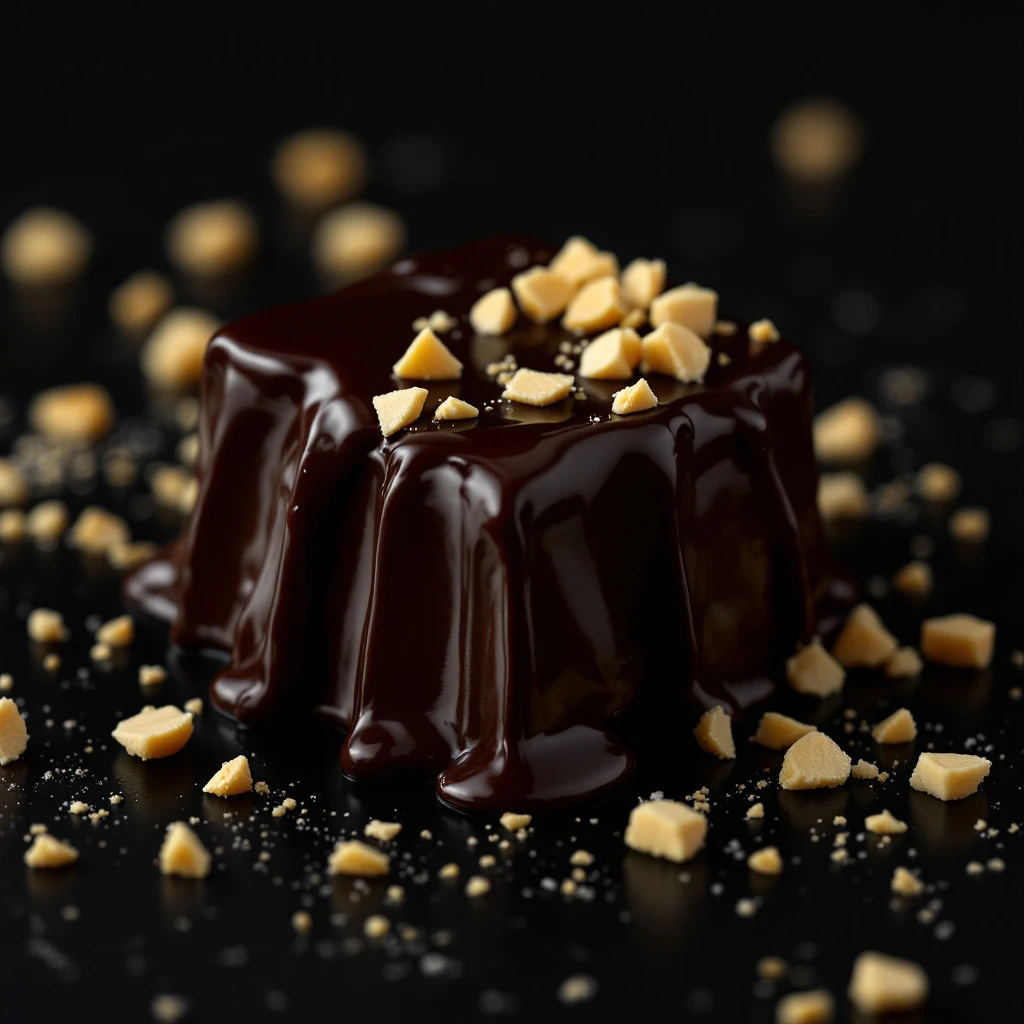
Character
How it smells
Dark, creamy vanilla with a cocoa edge
Vanilla ganache accords depend on curing pods for weeks under tropical sun, a process that develops the vanillin precursors responsible for the note's signature depth.
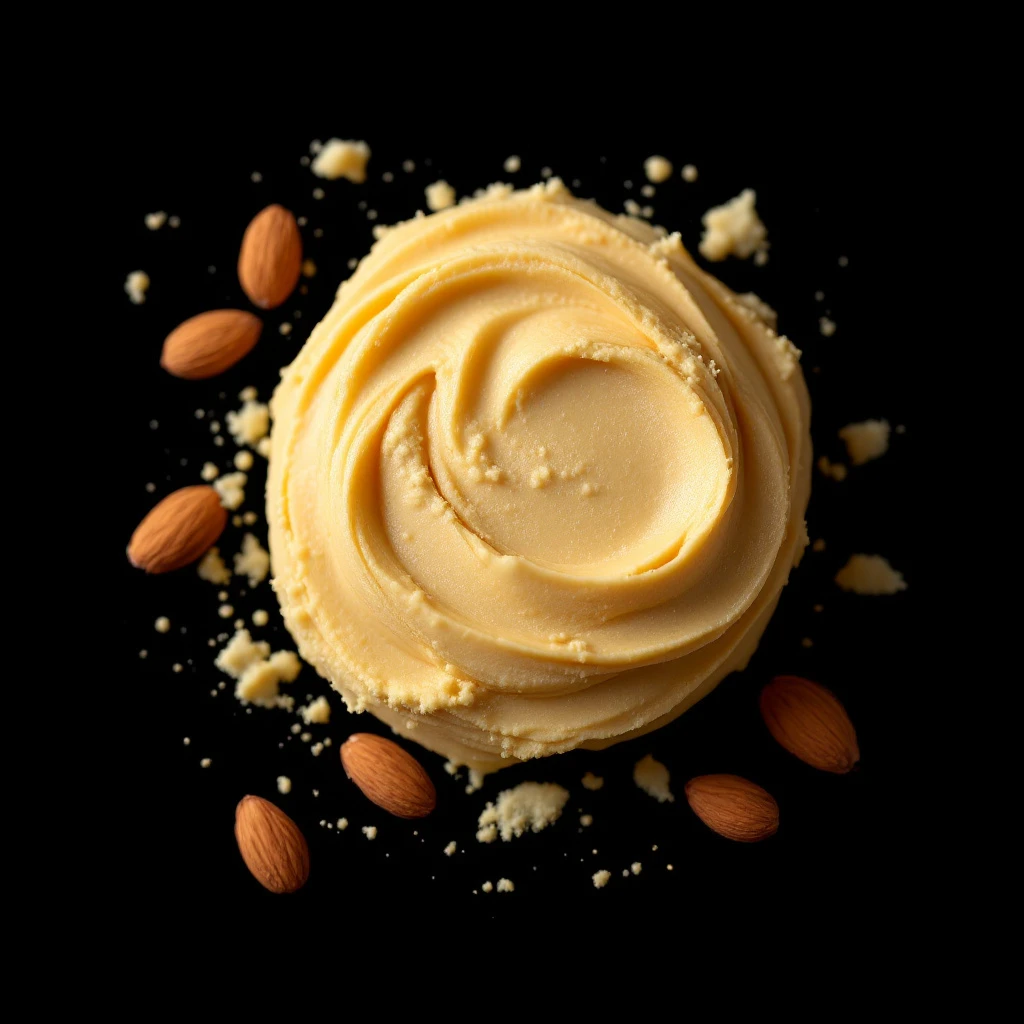
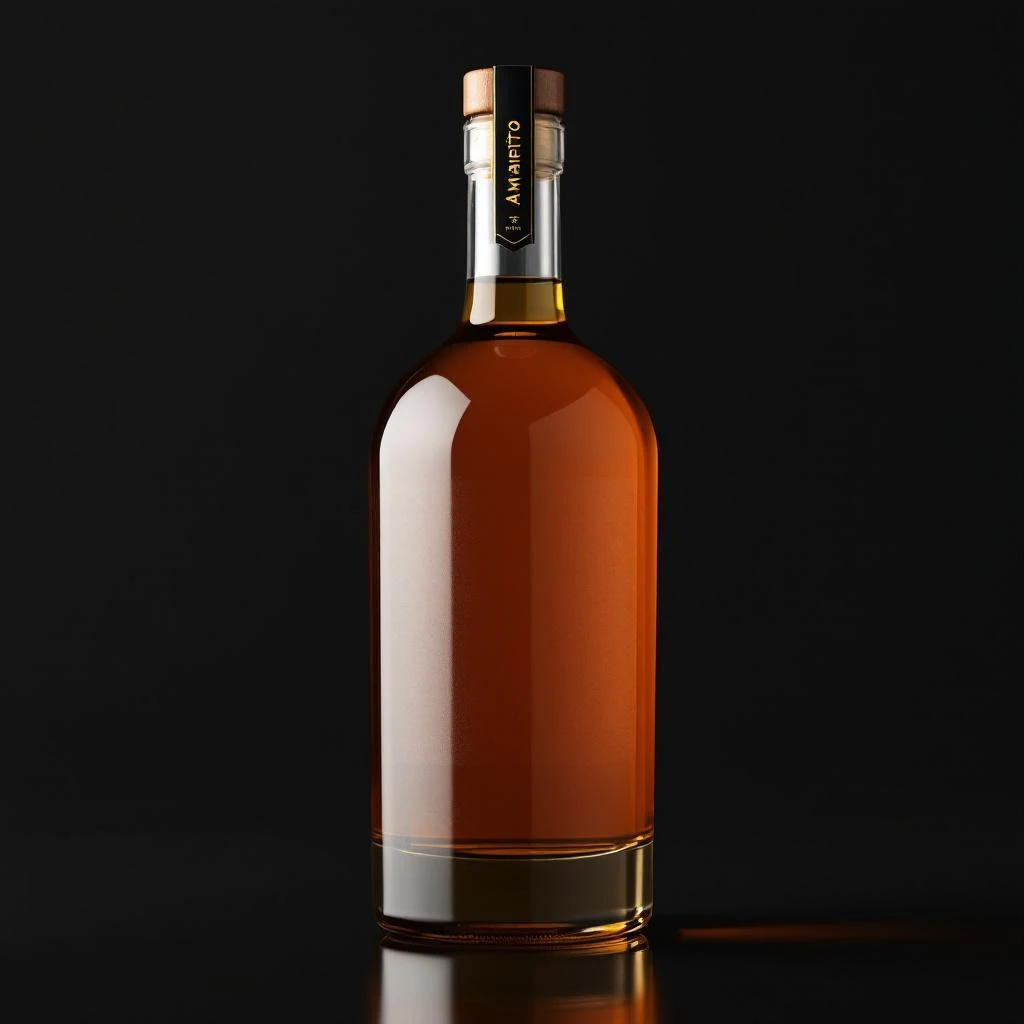
Pairs beautifully with



Origin
Mexico
Vanilla's story begins with the Totonac people of coastal Mexico, who cultivated it in present-day Veracruz and used it in rituals and cocoa drinks. When Spanish conquistadors encountered it in the early 16th century, they transported pods to Europe, where royal courts quickly adopted them for perfumed sachets, gloves, and pomanders. For roughly 300 years, Mexico held a monopoly on vanilla production thanks to a mystery: only the Melipona bee could naturally pollinate the flowers.
That changed in 1841 when Edmond Albius, a 12-year-old enslaved boy on the island of Réunion, discovered a hand-pollination technique still used today, unlocking cultivation across the Indian Ocean and beyond. The ganache concept in perfumery emerged much later, during the gourmand fragrance wave of the 1990s and 2000s, when perfumers began building literal dessert references, including chocolate-vanilla hybrids that echoed France's classic chocolate confection.
Wears it best
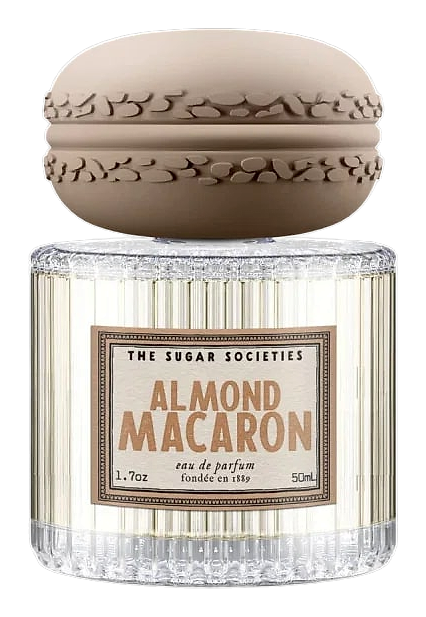
Fragrances featuring Vanilla Ganache
Brands
Brands known for Vanilla Ganache
Good to know
Questions, answered
The essentials on Vanilla Ganache in perfumery: how it smells, where it comes from, and how it behaves on skin.
Is vanilla ganache a natural ingredient?
Vanilla ganache is a constructed accord, not a single natural material. It combines solvent-extracted vanilla oleoresin or CO2 extract with cocoa notes, lactones, and resins to produce its chocolate-tinged sweetness.
What does vanilla ganache smell like?
The accord reads as dark, creamy vanilla with cocoa undertones and a fatty, dessert-like warmth. It smells richer and more confectionery than pure vanilla, carrying faint hints of cream, balsam, and burnt sugar.
How is vanilla ganache different from regular vanilla?
Standard vanilla extracts emphasize vanillin's clean, powdery sweetness. The ganache variation adds cocoa absolutes and creamy lactones, producing deeper gourmand notes suited to oriental and edible-smelling compositions.
Where does the vanilla in ganache accords originate?
Most high-quality vanilla for perfumery comes from Madagascar, Mexico, or Tahiti. Madagascar Bourbon vanilla, made from Vanilla planifolia, dominates modern perfumery due to its vanillin-rich, creamy profile.
Can vanilla ganache be made synthetically?
Yes. Many commercial accords rely on synthetic ethyl vanillin and chocolate accords (like furaneol or pyrazines) to replicate the ganache impression at lower cost. Natural versions remain prized for complexity.
Is vanilla ganache sustainable?
Vanilla cultivation faces significant supply volatility. Prices have fluctuated dramatically over the past decade due to cyclones in Madagascar and crop disease, making traceable, fair-trade sourcing increasingly important.
Why was vanilla so expensive historically?
For nearly 300 years after reaching Europe, vanilla pods could only be naturally pollinated by Mexican Melipona bees. This monopoly kept prices high until hand-pollination was perfected in 1841.
What perfumes are known for vanilla ganache notes?
Several iconic gourmand fragrances from the 1990s and 2000s feature prominent chocolate-vanilla accords. Notable examples include Serge Lutens Jeaux de Peau and various Oriental compositions that built on this dessert-inspired structure.




