Vanilla Candy
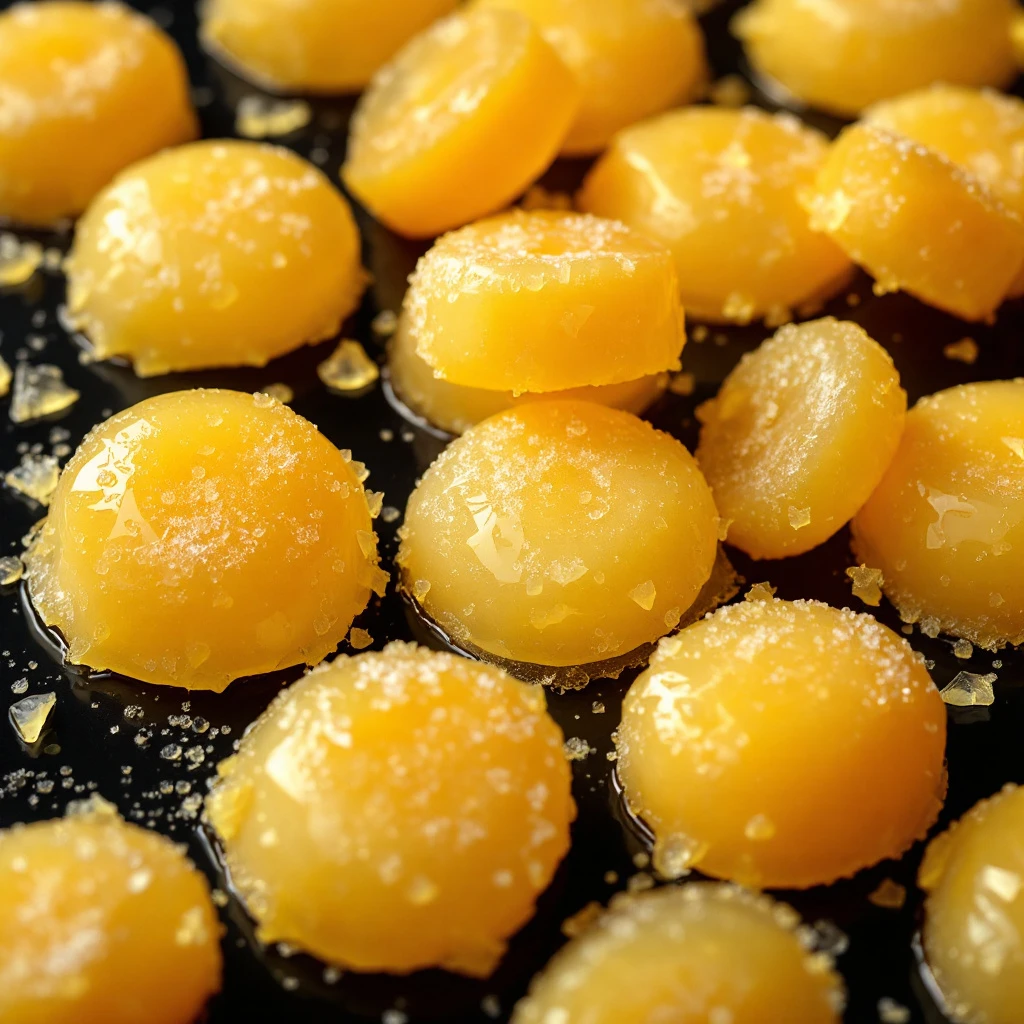
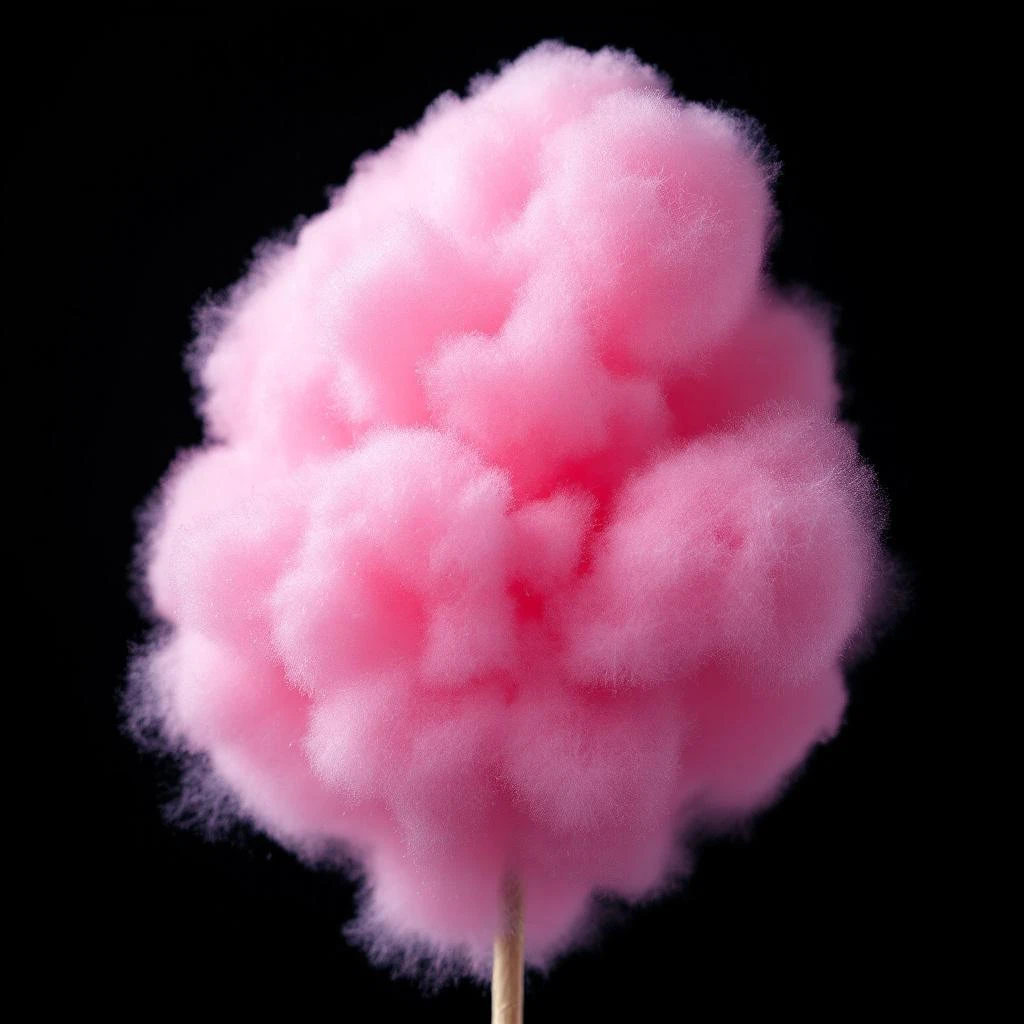
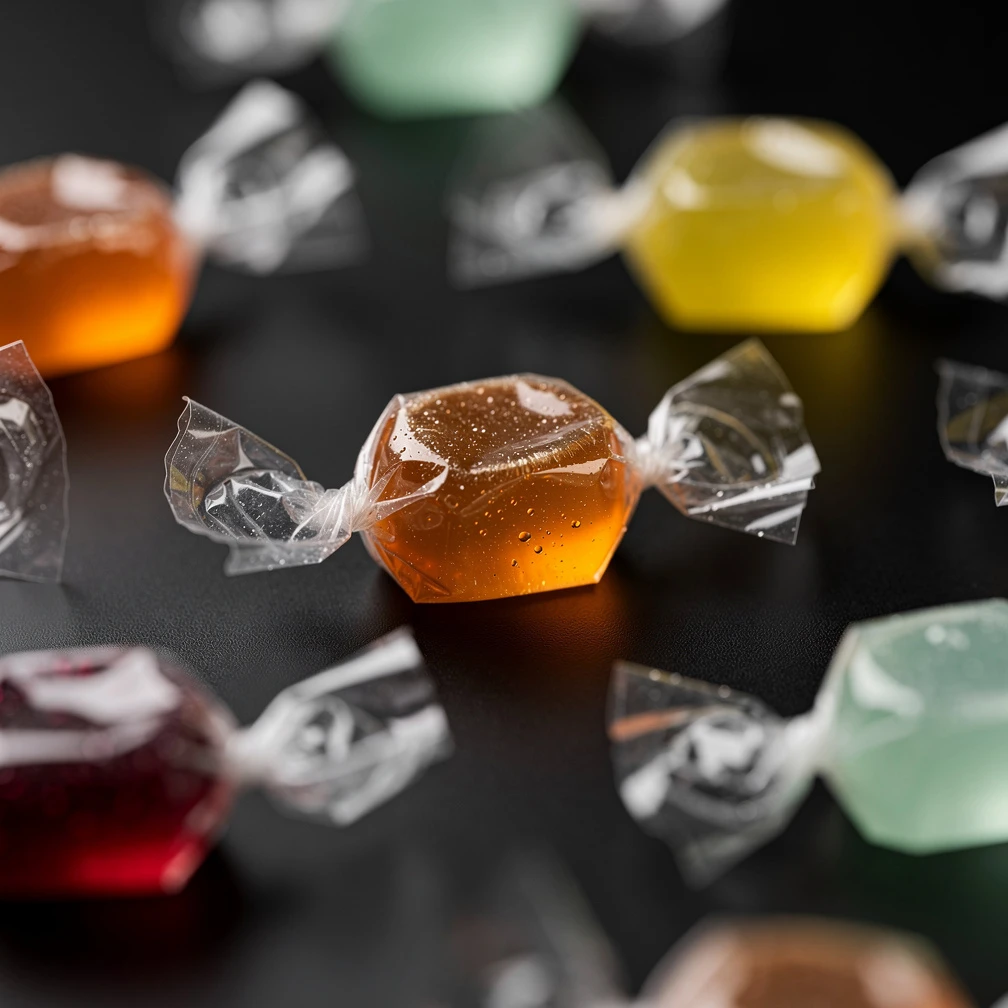
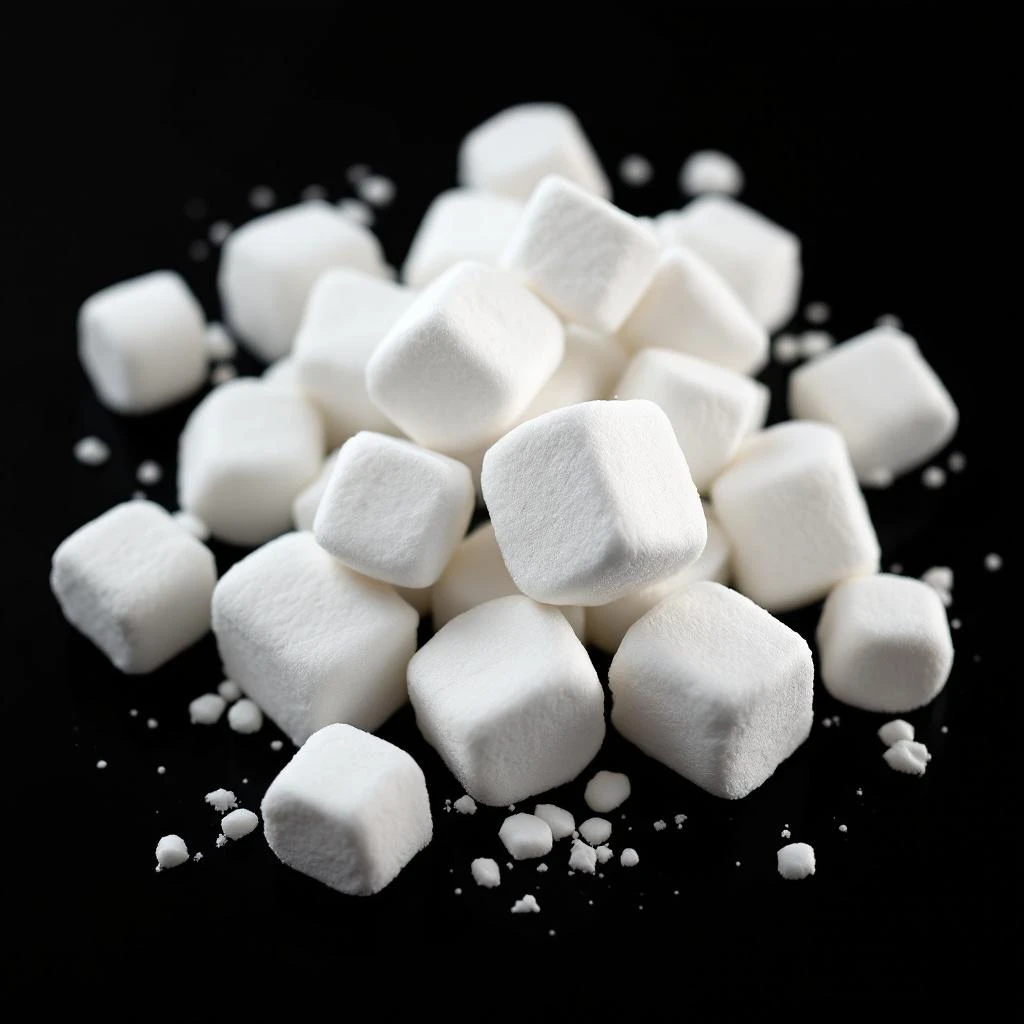
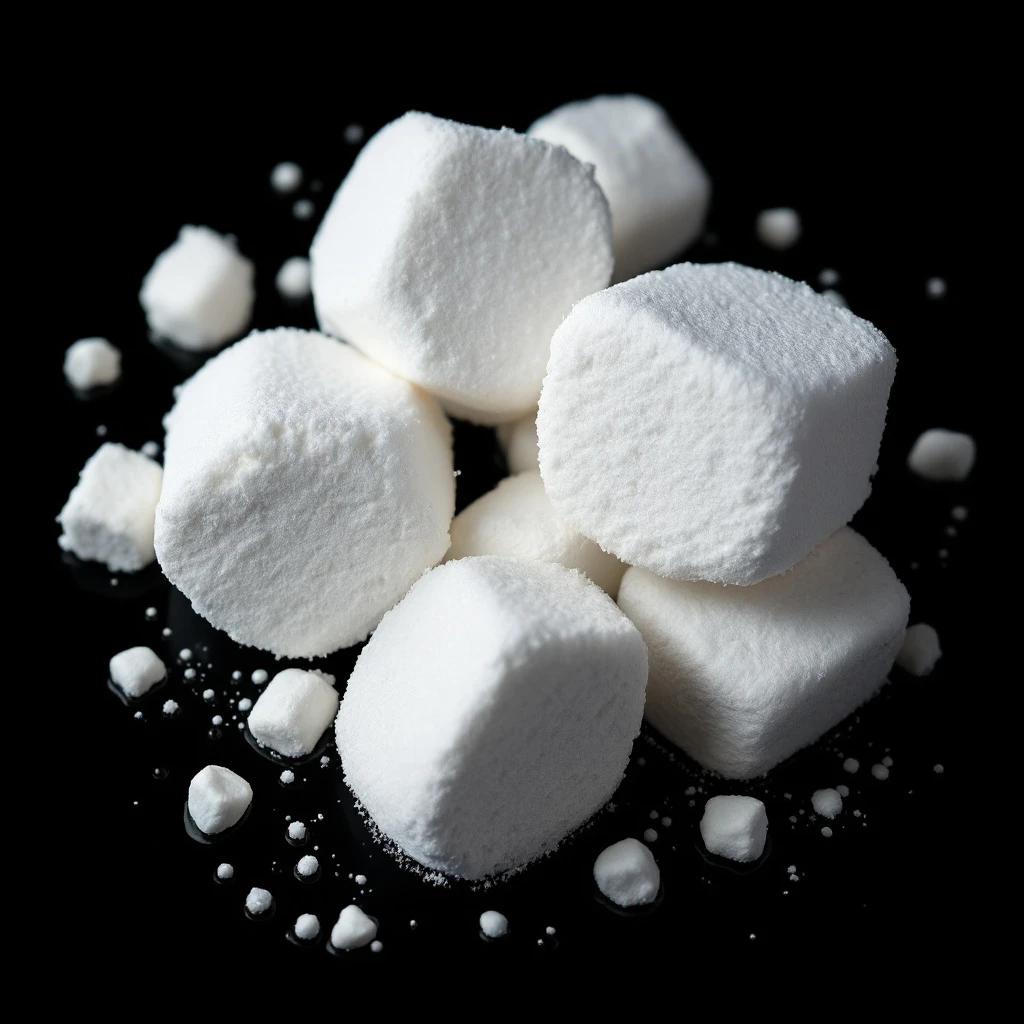
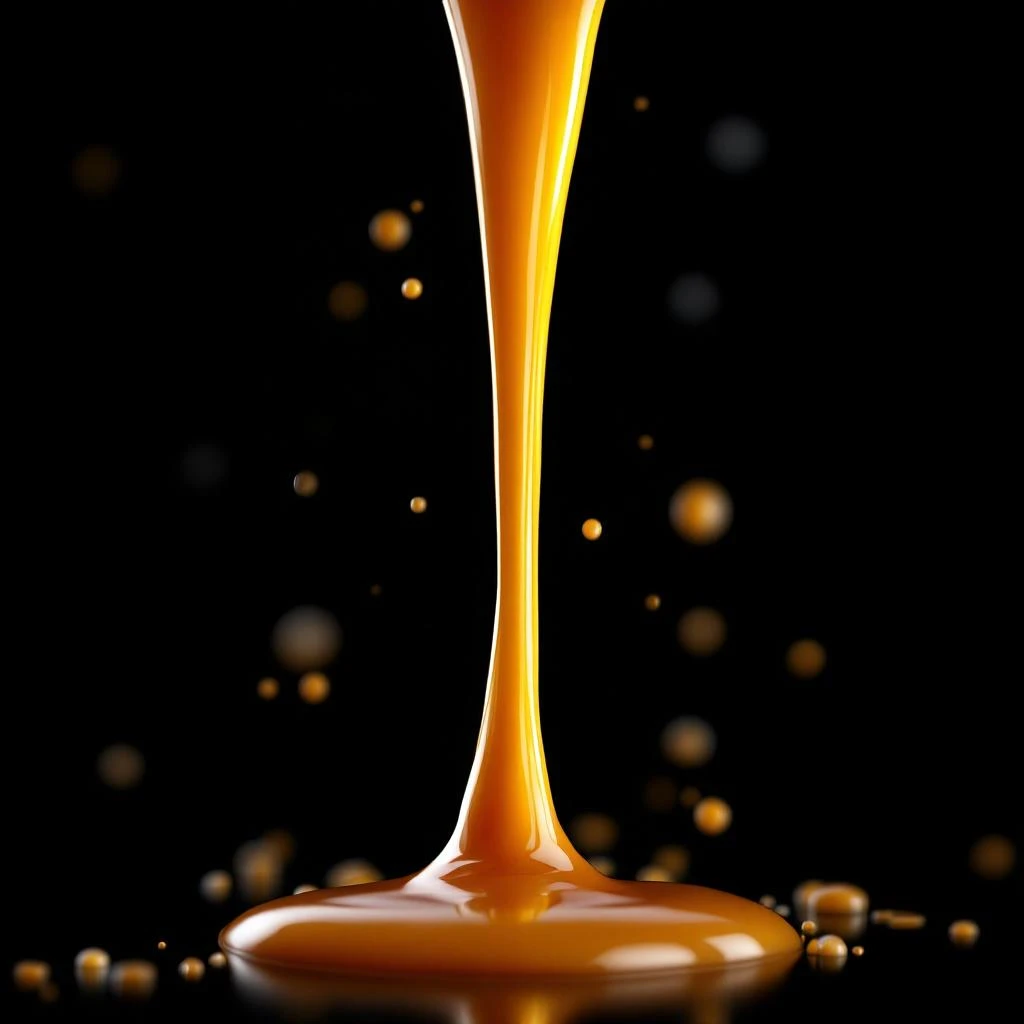
Vanilla candy is a gourmand perfumery accord built on rich vanillin sweetness, wrapped in sugary, confectionery nuances that evoke spun sugar and caramelized treats.
Character
How it smells
Sweet indulgence, bottled.
Vanilla reached Europe only after Spanish conquistadors encountered it in 16th century Mexico, where the Totonac people had already cultivated it for centuries.
Pairs beautifully with
Origin
Mexico
Vanilla's story begins with the Totonac people of Mexico's Gulf Coast, who cultivated Vanilla planifolia orchids long before European contact and used the pods in ceremonial perfuming and ritual drinks. The Aztecs later incorporated vanilla into their culture, blending it with cacao to create a frothy beverage consumed by nobility and used as tribute. When Spanish conquistadors encountered vanilla in the early 16th century, they brought it back to Europe, where it quickly became prized for its exotic sweetness in both culinary and aromatic applications.
For three centuries after its arrival, Mexico held a monopoly on vanilla production because hand-pollination techniques, discovered by the Totonac, were required for the orchids to fruit outside their native ecosystem. The secret of manual pollination remained closely guarded until the mid-19th century. The real transformation came in 1876, when chemists first synthesized vanillin, unlocking the door to mass-market fragrance and flavor production.
This shift moved vanilla from rare luxury to global commodity, reshaping gourmand perfumery in the 20th century and enabling the candy-style accords that define modern sweet fragrances.
Wears it best
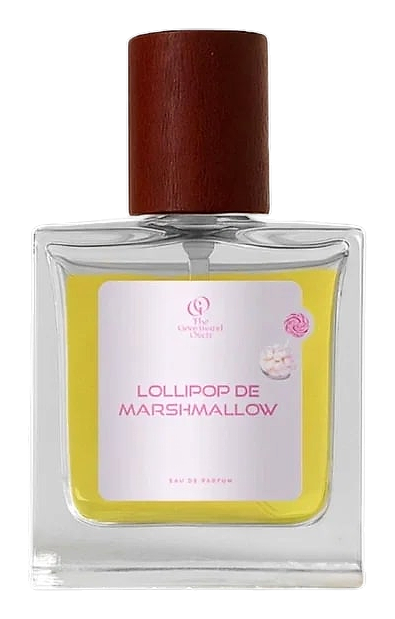
Fragrances featuring Vanilla Candy
Brands
Brands known for Vanilla Candy
Good to know
Questions, answered
The essentials on Vanilla Candy in perfumery: how it smells, where it comes from, and how it behaves on skin.
Can vanilla candy notes go rancid?
Vanillin-based accords are generally shelf-stable and resistant to oxidation. Natural vanilla absolute is more vulnerable over time, though proper storage away from heat and light preserves both forms for years without significant degradation.