Tuberolide
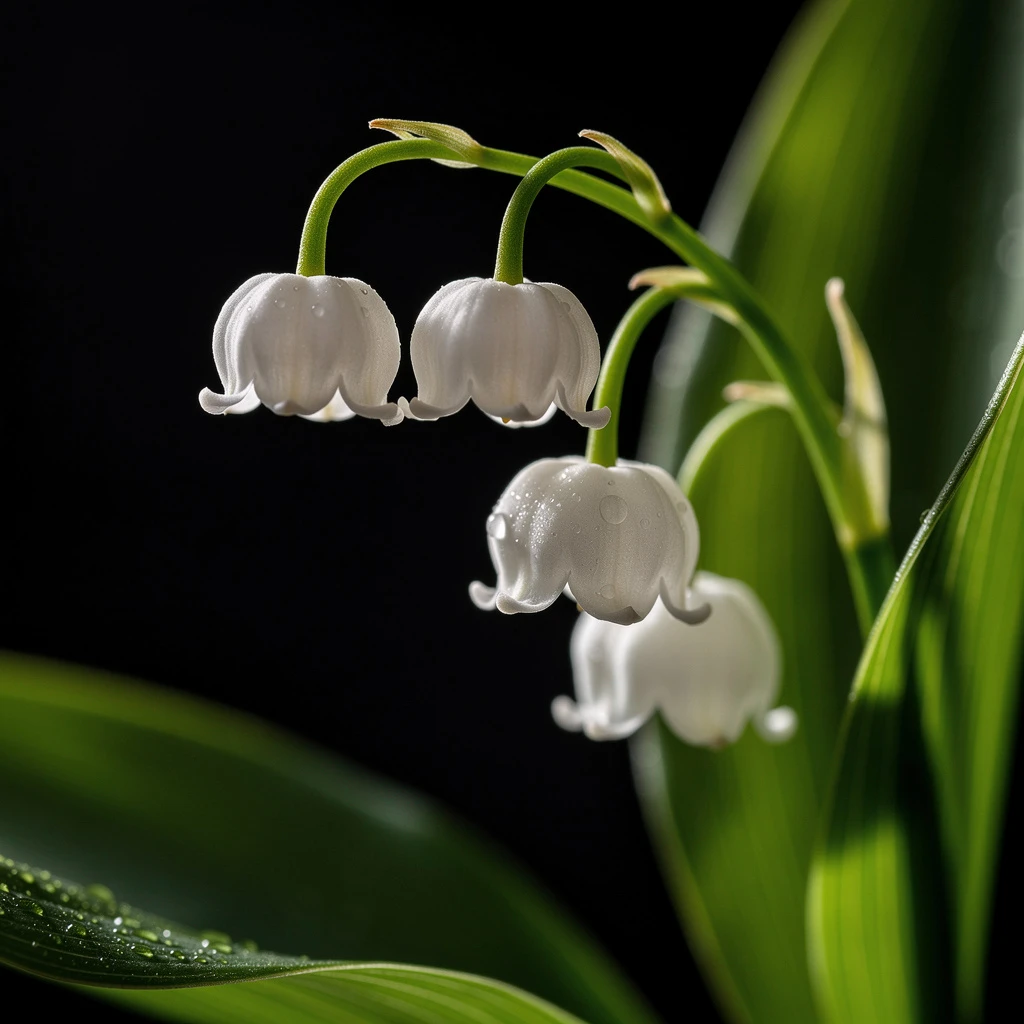
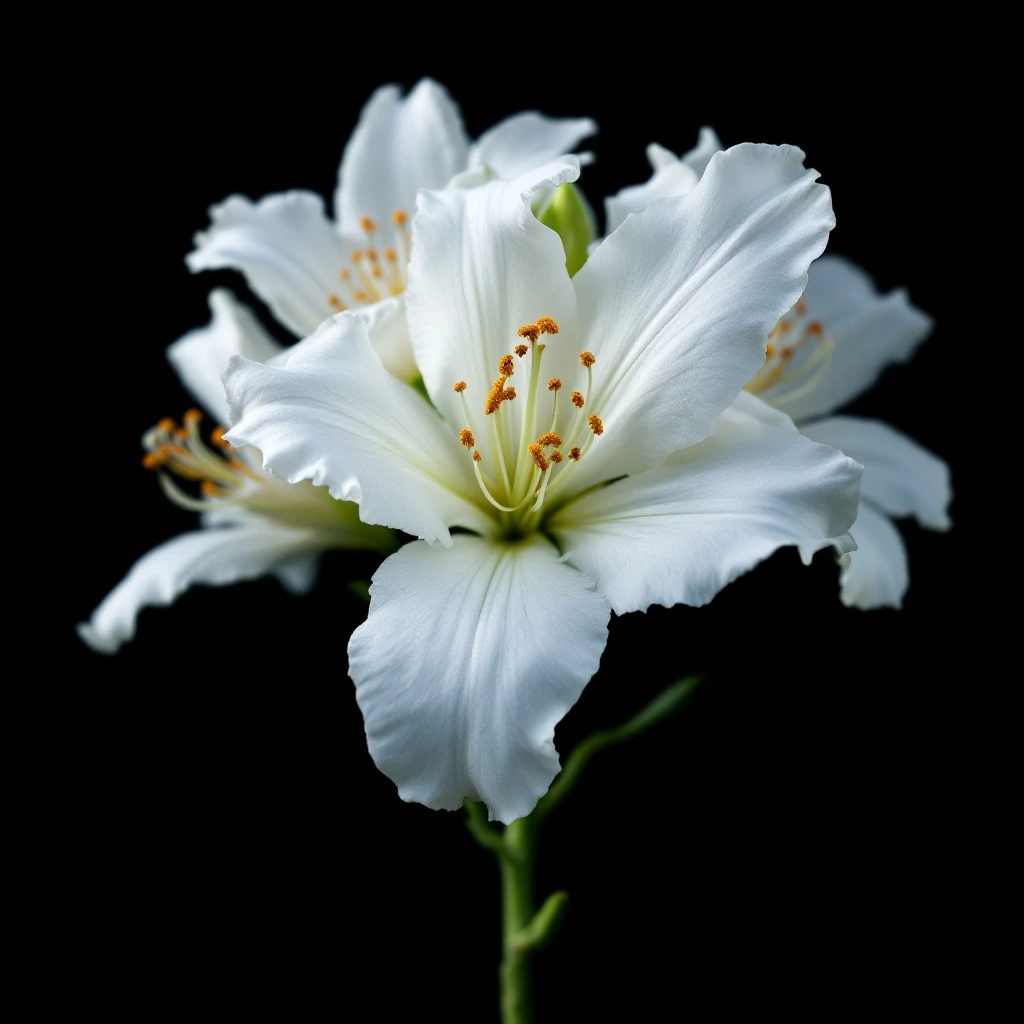
Tuberolide captures the intoxicating soul of white tuberose in a single molecule. This synthetic macrocyclic lactone reproduces the creamy, honeyed sweetness that has fascinated perfumers for centuries, offering consistent olfactory depth without the limitations of natural extraction.
Character
How it smells
The white flower distilled into one molecule.
Tuberose yields almost no essential oil through distillation, so perfumers synthesized Tuberolide specifically to bottle that lush, creamy scent the flower refuses to give up.


Origin
France
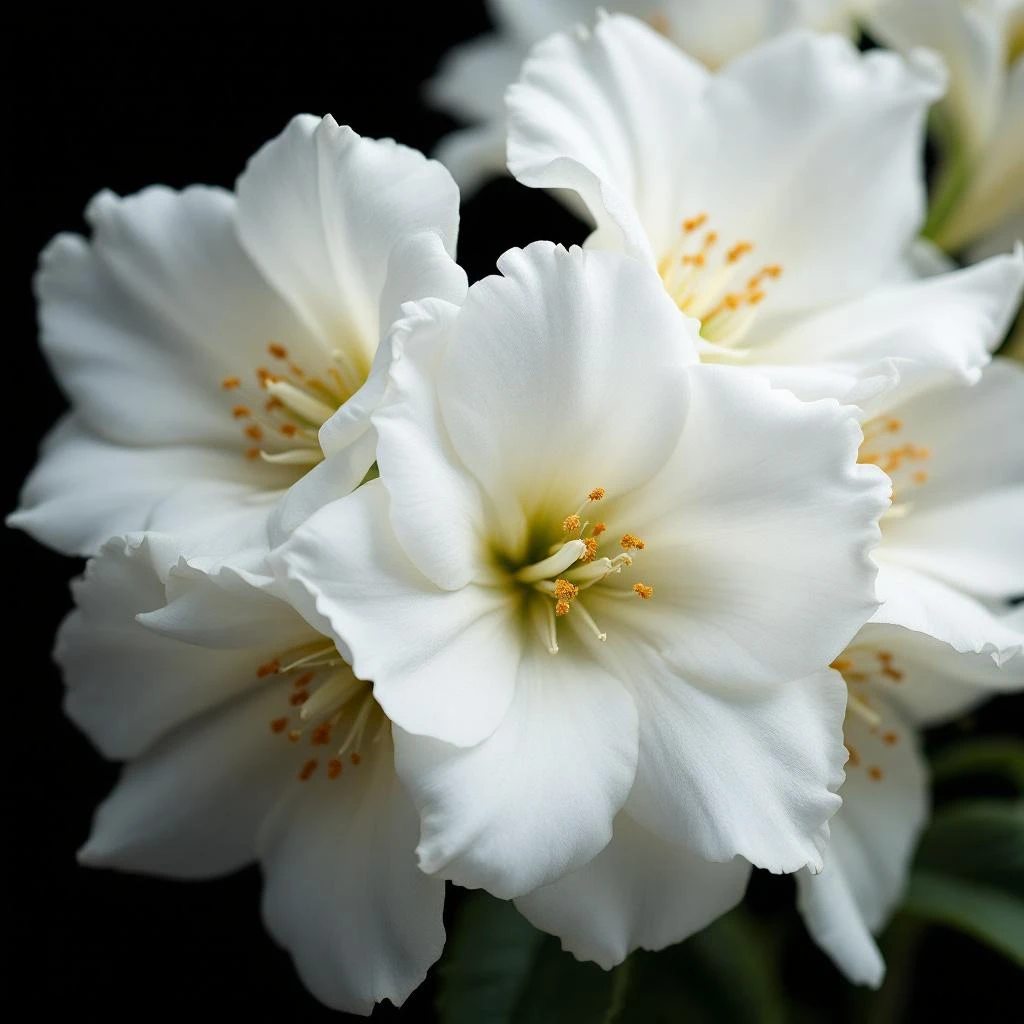
The quest to capture tuberose fragrance dates to when ancient Mesopotamians first pursued fragrant materials. Egyptian embalmers valued floral waxes, and medieval perfumers in the Islamic world refined extraction techniques using fats. By the 19th century, French Grasse workshops relied on artisan methods like enfleurage, pressing whole tuberose blooms onto glass sheets coated with lard to absorb their scent.
The arrival of organic synthesis in the 1800s opened new paths. Chemists eventually identified the macrocyclic lactones responsible for tuberose's creamy sweetness and began reproducing them in laboratories. This synthetic alternative emerged as perfumers sought consistency, volume, and ethical sourcing that natural extracts could not always provide.
Today Tuberolide stands as a bridge between the ancient obsession with white flowers and the precision of modern chemistry.
Wears it best
Fragrances featuring Tuberolide
Brands
Brands known for Tuberolide
Good to know
Questions, answered
The essentials on Tuberolide in perfumery: how it smells, where it comes from, and how it behaves on skin.
What is Tuberolide?
Tuberolide is a synthetic macrocyclic lactone used in perfumery to reproduce the creamy, sweet scent of natural tuberose flowers. It provides consistent aromatic performance without relying on natural extraction.
Does Tuberolide come from tuberose flowers?
No. While it mimics tuberose's fragrance, Tuberolide is synthesized entirely in laboratories. Natural tuberose yields almost no essential oil through distillation, making synthetic reproduction the practical solution.
What does Tuberolide smell like?
It delivers a rich, creamy, lactonic sweetness with warm floral undertones reminiscent of tuberose absolute. Perfumers use it to add body and sensuality to white-flower compositions.
Is Tuberolide safe to use in perfumes?
When produced according to International Fragrance Association standards, Tuberolide meets global safety requirements for use in consumer cosmetic and fine fragrance products at recommended concentrations.
Why did perfumers develop synthetic alternatives to tuberose?
Tuberose contains only trace amounts of essential oil. One metric ton of blooms yields a fraction of a gram of absolute, making natural supply unreliable and expensive. Synthesis solves this problem.
Which fragrance families use Tuberolide?
Tuberolide appears frequently in white-floral, chypre, and oriental compositions. It also shows up in modern clean-limestone constructions where it adds warmth without overpowering citrus or marine top notes.
Is Tuberolide considered natural or synthetic?
Tuberolide is classified as a synthetic aromatic chemical. It does not qualify as natural under most regulatory definitions, but it replicates a natural fragrance profile with high fidelity.
How is Tuberolide different from natural tuberose absolute?
Natural tuberose absolute carries hundreds of aromatic compounds and offers a complex, living scent profile. Tuberolide isolates a specific lactonic signature for precise, repeatable dosing in fragrance formulas.
In the same family