Tibetan Cedar
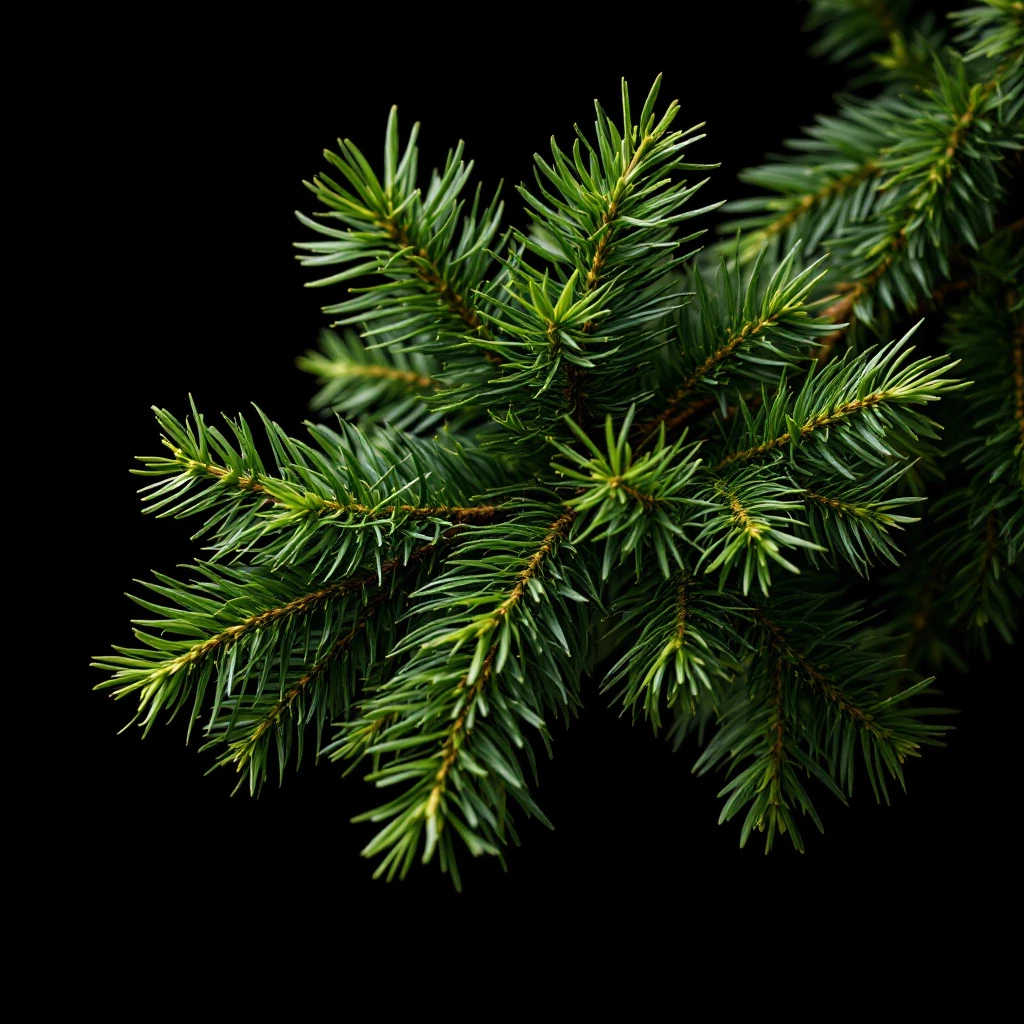
From Himalayan heights, Tibetan Cedar brings dry, smoky warmth distinct from American and Moroccan varieties. Slow growth in extreme conditions concentrates aromatic compounds perfumers prize for structure and longevity.
Character
How it smells
High-altitude heritage in every note
Tibetan Buddhist temples have burned cedarwood in sacred rituals for over a thousand years, believing the smoke carries prayers skyward.




Origin
Tibet
Ancient Tibetan cultures prized cedar for both spiritual and practical purposes. The species Cedrus deodara grows at elevations between 1,500 and 3,200 meters, where harsh winters and thin air slow the trees to a crawl. Buddhist monks documented cedar use in sacred ceremonies dating to the 7th century, while trade routes carried the aromatic wood across Central Asia.
The species name deodara comes from the Sanskrit devadaru, meaning timber of the gods. Modern perfumers draw on this millennia-old legacy, incorporating the material for its grounding, resinous character that anchors complex fragrance compositions.
Wears it best
Fragrances featuring Tibetan Cedar
Brands
Brands known for Tibetan Cedar
Good to know
Questions, answered
The essentials on Tibetan Cedar in perfumery: how it smells, where it comes from, and how it behaves on skin.
What makes Tibetan Cedar different from other cedar oils?
Tibetan Cedar contains higher sesquiterpene levels than Virginian or Atlas cedar oils, giving it a drier, more resinous character. High-altitude growth conditions produce slow-growing wood with more concentrated aromatic compounds.
What gives Tibetan Cedar its distinctive scent profile?
The dry, slightly smoky aroma with warm resinous undertones comes from exceptionally high sesquiterpene content in the heartwood. Extreme altitude conditions create this concentration through slow, dense wood growth over decades.
Is Tibetan Cedar sustainably harvested?
Many suppliers source from managed forests and reclaimed wood sources, using heartwood and root stumps that would otherwise go to waste. This makes Tibetan Cedar a relatively sustainable option in natural perfumery.
What fragrances feature Tibetan Cedar?
Luxury and niche perfumers frequently use Himalayan cedar in woody, oriental, and chypre compositions as a base note. Its warm, resinous character pairs well with amber, sandalwood, and spices.
How long has cedar been used in perfumery?
Cedarwood has been part of fragrance making for over 4,000 years. Ancient Egyptians used cedar oil in cosmetic formulations and burial rituals, and it remains a cornerstone of modern perfumery.
Can Tibetan Cedar be used in natural perfumery?
Steam-distilled Tibetan Cedar oil qualifies as a natural aromatic material. Perfumers seeking natural formulations frequently choose it for its strong performance and authentic scent profile.
What note family does Tibetan Cedar belong to?
Tibetan Cedar functions as a base note, providing fragrance structure and longevity. Its woody, warm character works across oriental, woody, and fougere fragrance families.
Does Tibetan Cedar have any cultural significance?
Tibetan Buddhist traditions have used cedarwood in sacred ceremonies for over a millennium, burning it in temples as part of spiritual rituals. The tree's Sanskrit name translates to timber of the gods.