Stephanotis Leaf
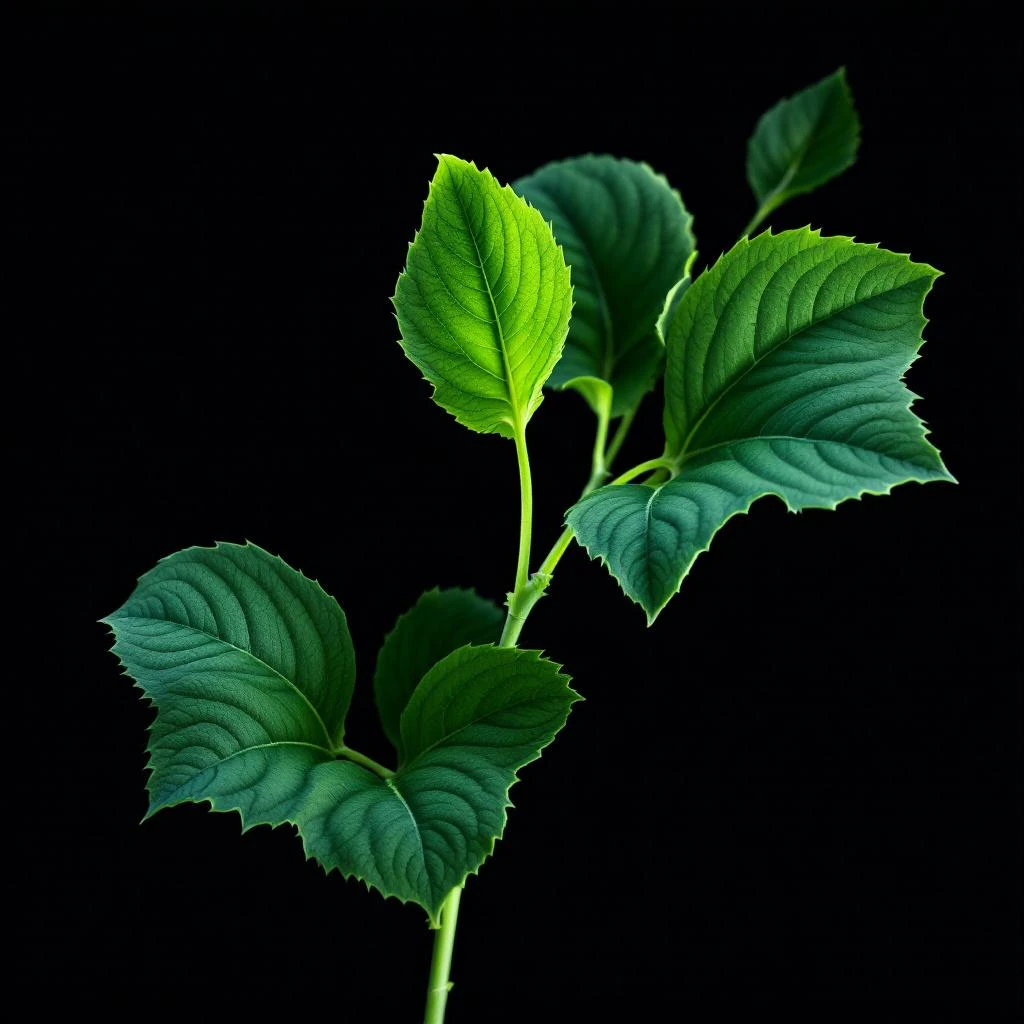
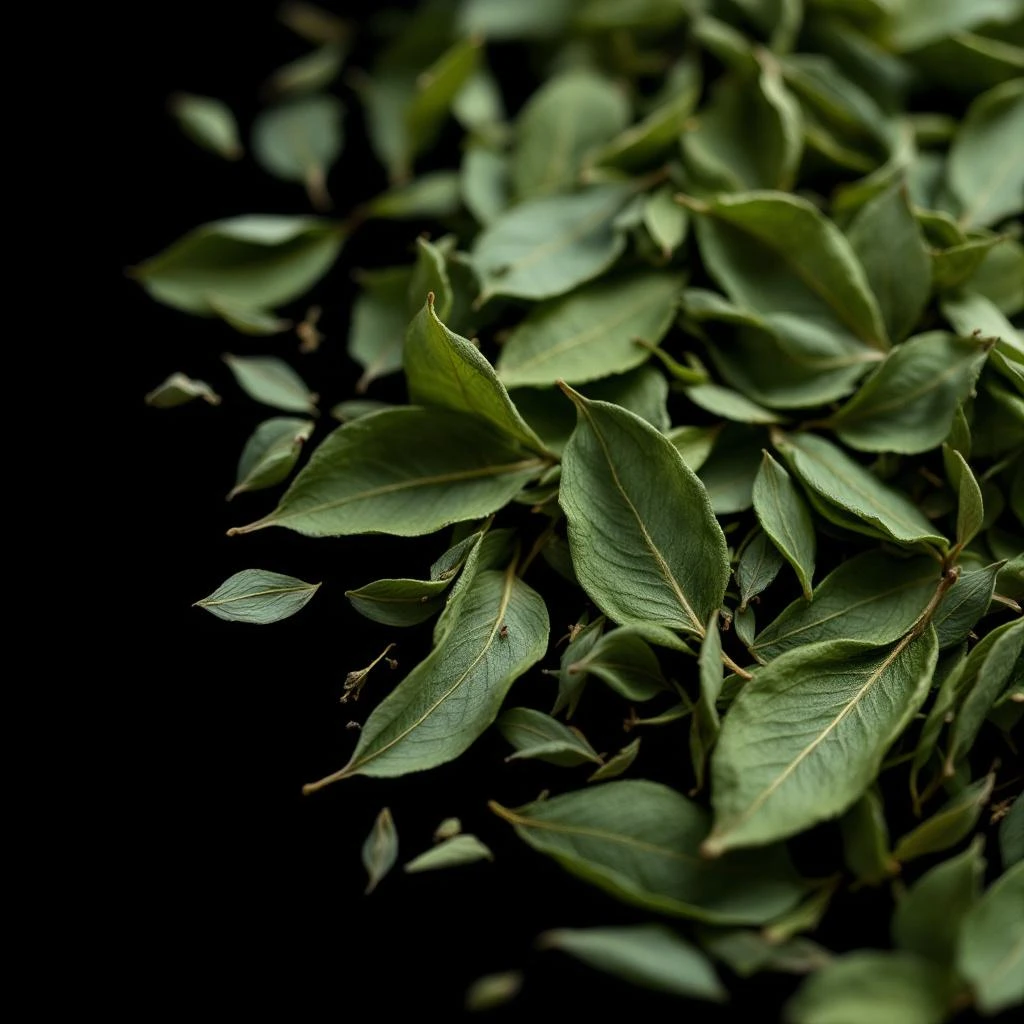
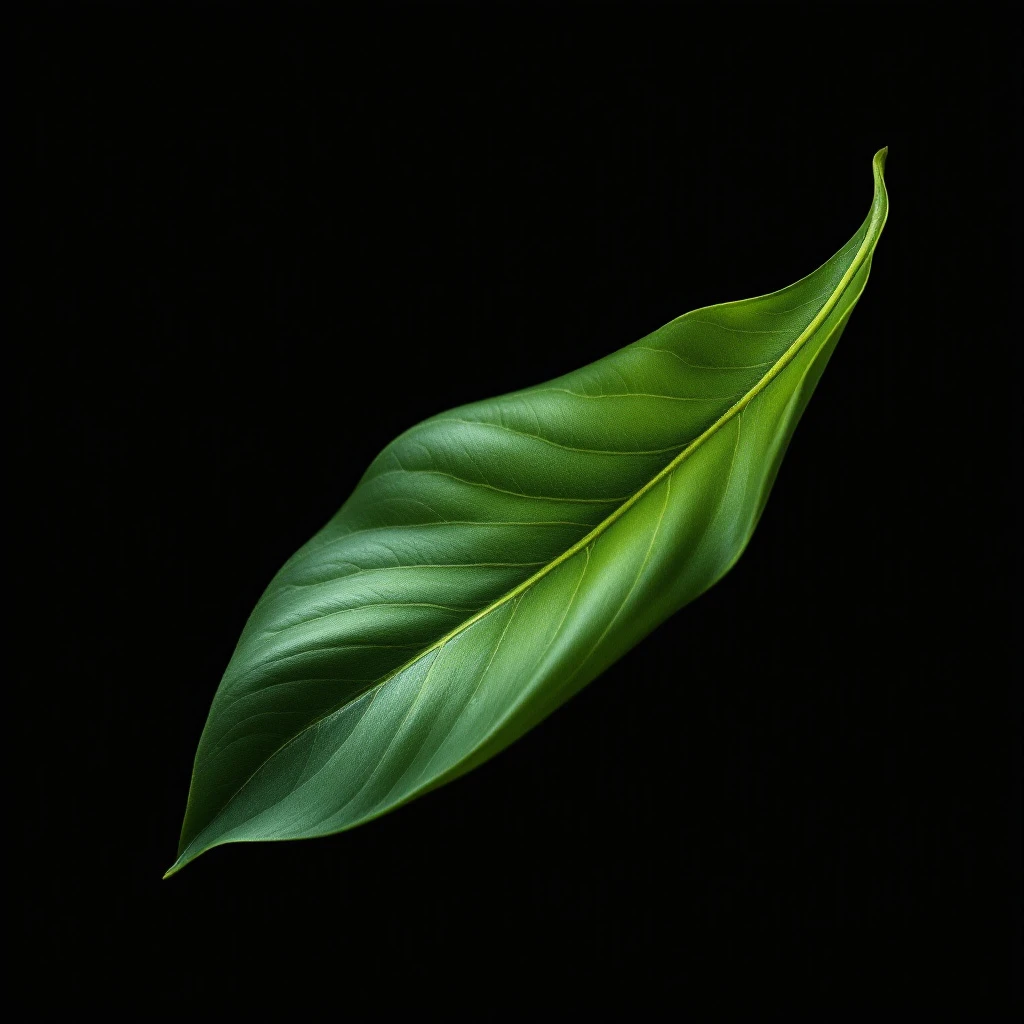
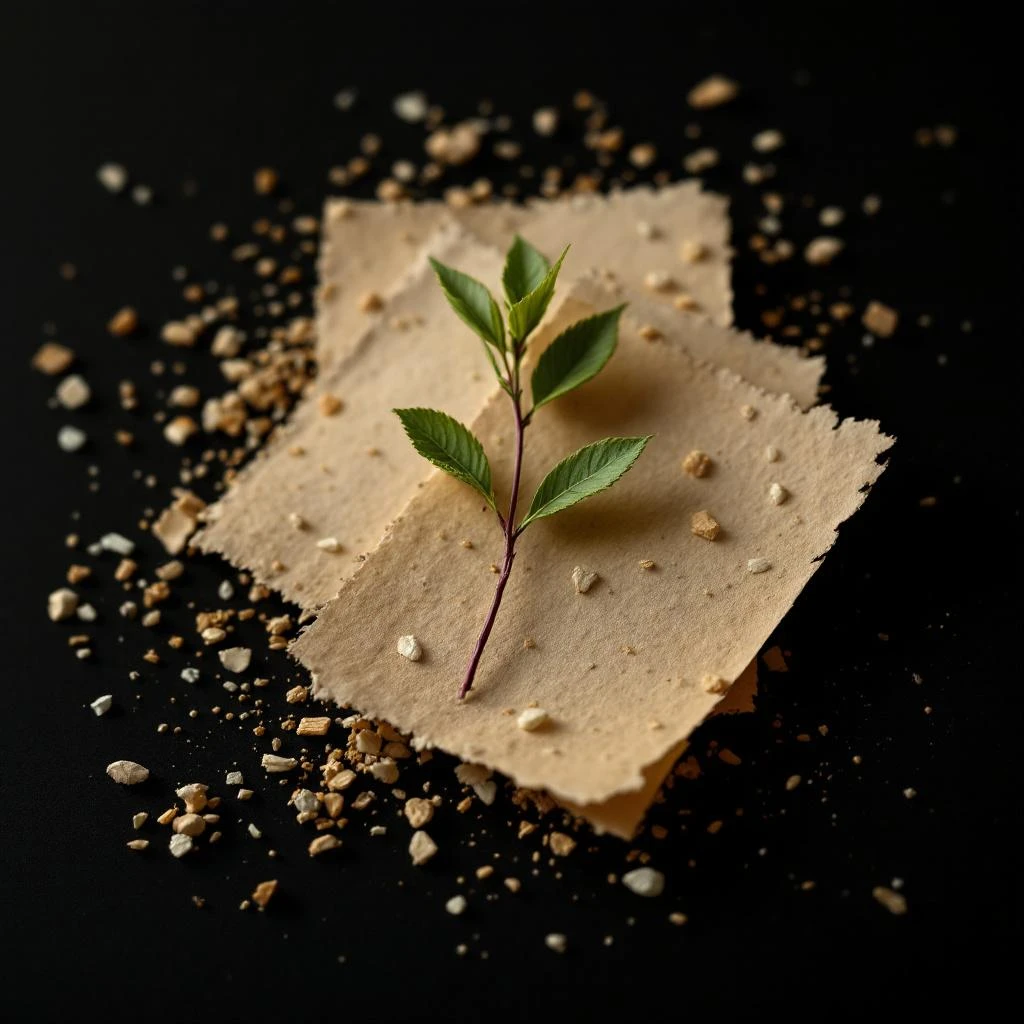
A rare green note from the Madagascar jasmine plant, stephanotis leaf captures an aromatic dimension rarely explored in modern perfumery. While the waxy white flowers of Stephanotis floribunda command attention in bridal gardens, the leaf offers a distinctly different character: bitter, herbaceous, and earthily verdant.
Character
How it smells
The overlooked green soul of Madagascar jasmine.
Stephanotis flowers traditionally anchor bridal bouquets for luck and devotion, yet perfumers rarely look past the bloom to the plant's aromatic leaves.
Pairs beautifully with

Origin
Madagascar
Stephanotis floribunda takes its name from the Greek words for 'crown' and 'ear', a nod to the flower structure. Native exclusively to Madagascar, the plant has long held cultural significance across the island, where local traditions recognized both its ornamental and aromatic properties. European colonizers and missionaries encountered the plant in the 19th century and brought specimens to botanical gardens across the tropics.
While the flowers became prized in Western wedding traditions, perfumers in France and Grasse explored various parts of the plant for aromatic potential. The leaf remains one of the least documented aromatic components of this botanical, standing in the shadow of its celebrated floral counterpart.
Wears it best
Fragrances featuring Stephanotis Leaf
Brands
Brands known for Stephanotis Leaf
Good to know
Questions, answered
The essentials on Stephanotis Leaf in perfumery: how it smells, where it comes from, and how it behaves on skin.
What does stephanotis leaf smell like in fragrance?
Stephanotis leaf contributes a green, herbaceous aroma with bitter and slightly earthy undertones. Unlike the sweet, indolic character of the flower, the leaf delivers a more austere, botanical quality that reads as fresh-cut greenery.
Is stephanotis leaf a natural or synthetic ingredient?
Stephanotis leaf is a natural aromatic material, though it remains rare in commercial perfumery. It is sourced directly from Stephanotis floribunda grown in Madagascar through solvent extraction of the fresh leaf matter.
How does stephanotis leaf differ from stephanotis flower absolute?
The flower absolute of stephanotis is prized for its lush, creamy white floral scent with characteristic indolic depth. The leaf absolute offers a sharper, greener, and more bitter aromatic profile, providing a completely different olfactory experience rooted in the plant's vegetative character.
Why is stephanotis leaf rarely used in commercial perfumery?
Supply constraints and limited commercial availability keep stephanotis leaf uncommon in mainstream fragrance production. Most stephanotis-scented perfumes rely on synthetic aromatics or the more readily available flower absolute derived from solvent extraction.
What extraction method produces stephanotis leaf absolute?
Solvent extraction is the standard method for obtaining aromatic compounds from stephanotis leaf. High temperatures during steam distillation would degrade the delicate volatile molecules, making solvent extraction the preferred approach for preserving the material's green, herbaceous character.
Which fragrance families pair well with stephanotis leaf?
Stephanotis leaf works within green, chypre, and botanical-oriented fragrance compositions. It functions as a supporting green note that reinforces freshness and adds herbal depth alongside other natural ingredients like Galbanum, Violet Leaf, or Fig Leaf.
Where does stephanotis originate geographically?
Stephanotis floribunda is native exclusively to Madagascar, the fourth-largest island in the world located in the Indian Ocean off the southeastern coast of Africa. The plant thrives in the island's tropical humid forests.
What is the cultural significance of stephanotis beyond perfumery?
Stephanotis flowers have been central to Malagasy traditions and spread internationally as bridal flowers prized for their waxy white beauty and sweet fragrance. The name derives from Greek words meaning 'crown of the ear', referencing the flower structure.