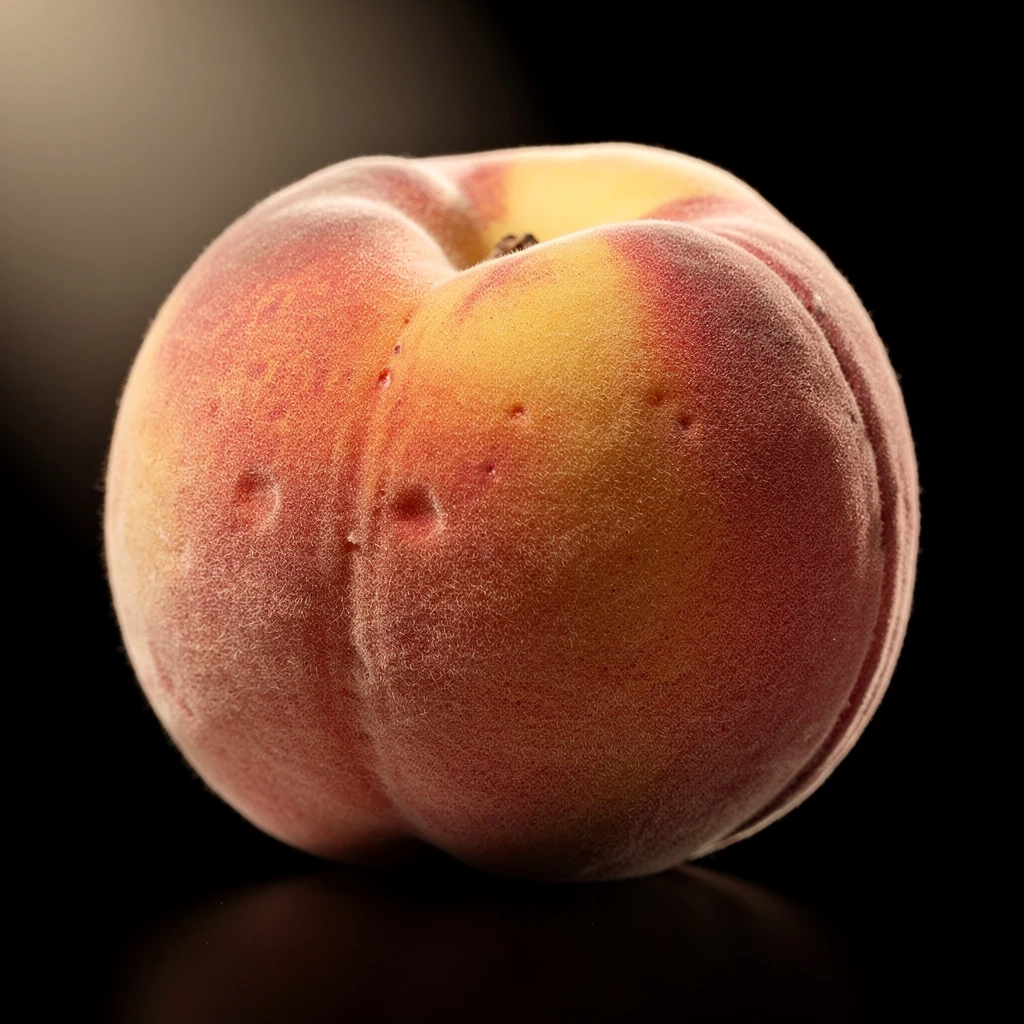
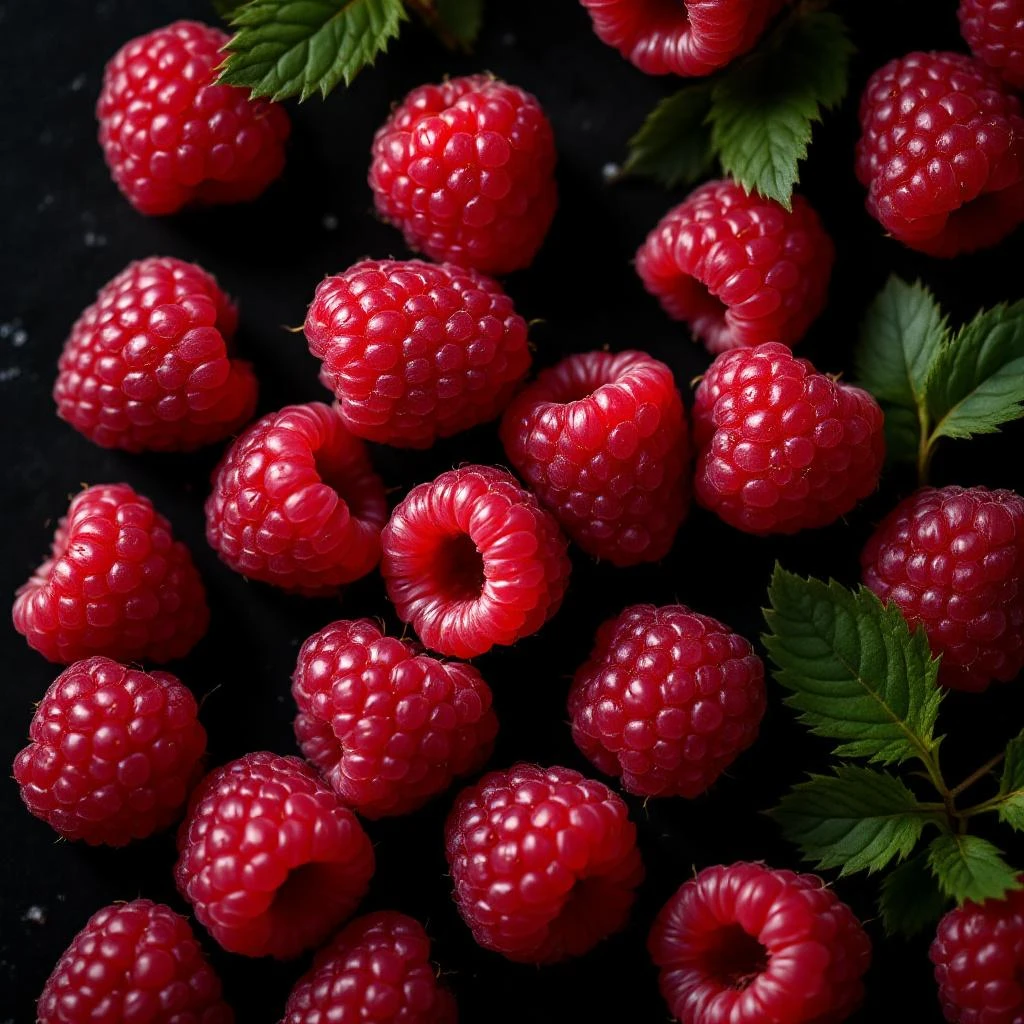
Soft Berry
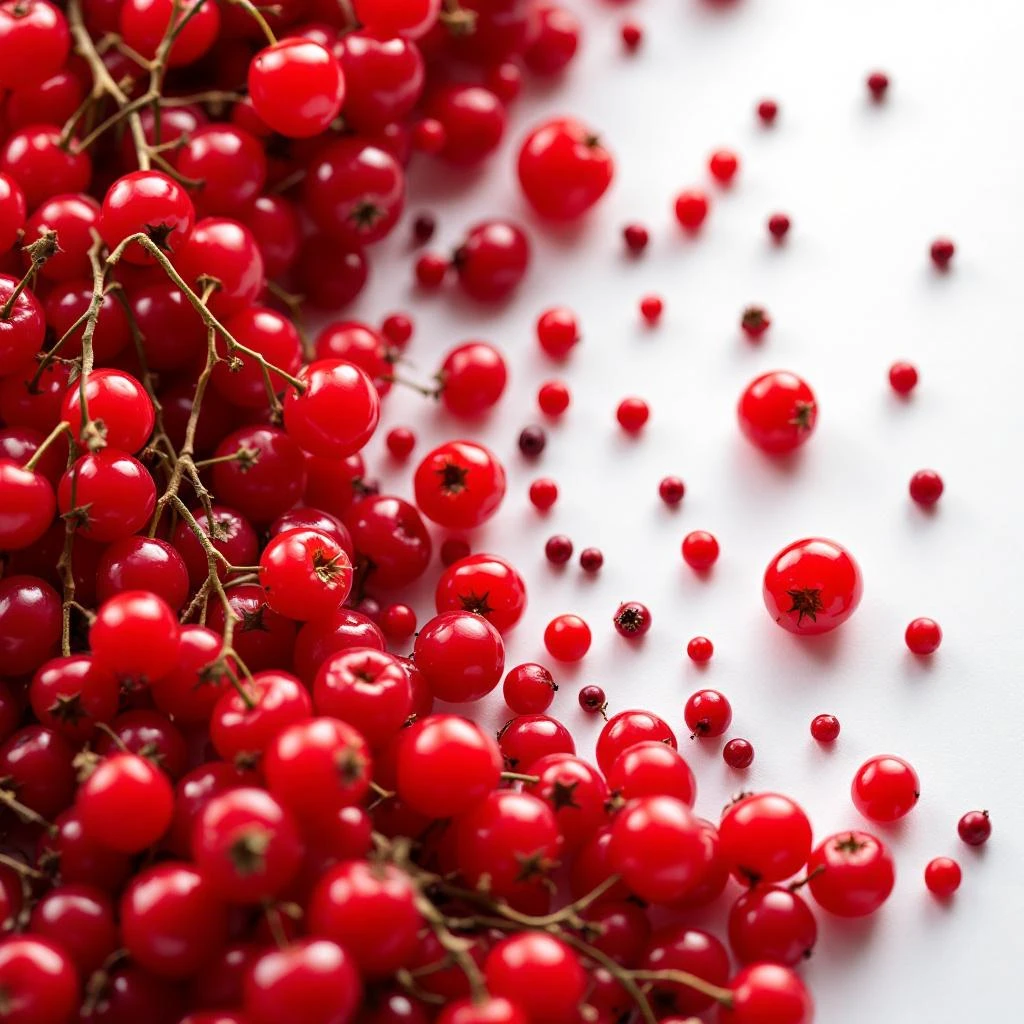
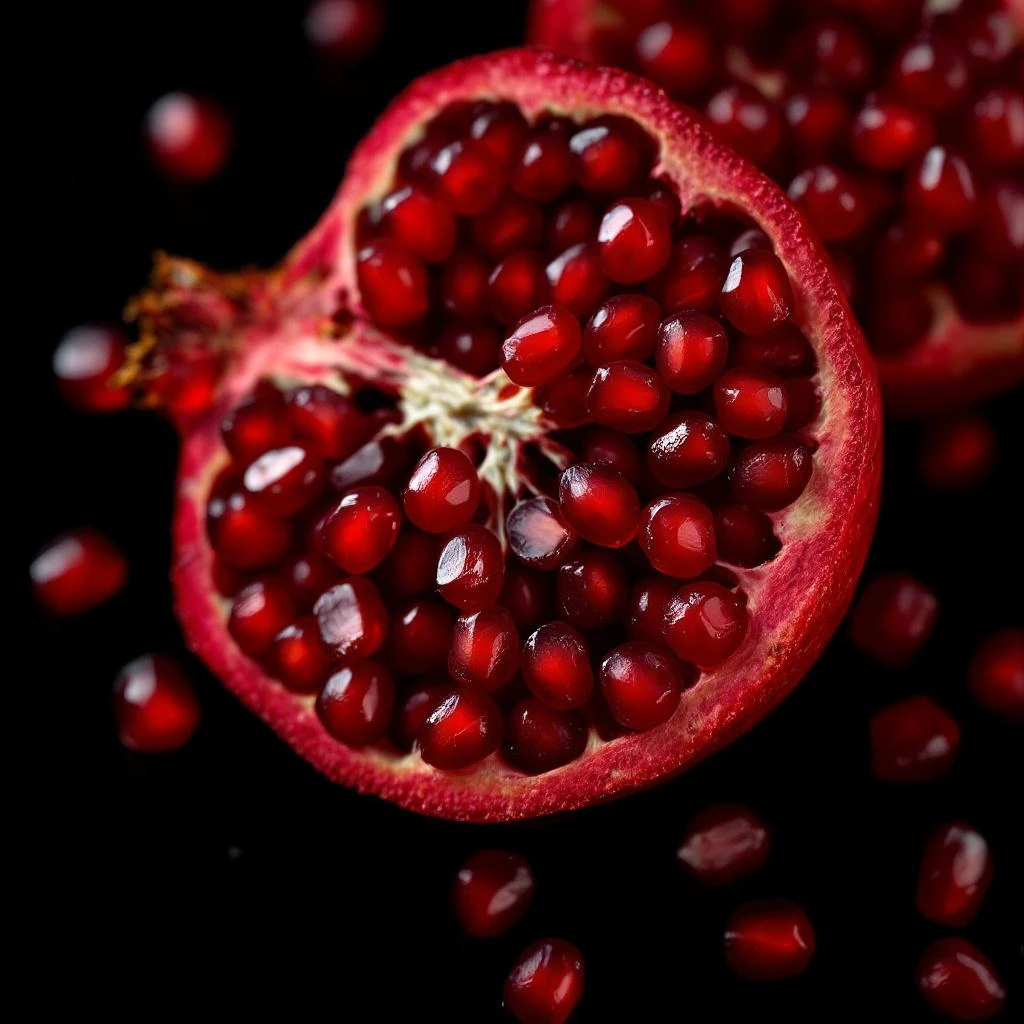
Soft berry captures the gentle, rounded sweetness of ripe fruit with a subtle tartness that adds lift without sharpness. It bridges floral and fruity accords, bringing warmth to compositions across mainstream and niche fragrances alike.
Character
How it smells
The plush sweetness of sun-warmed berries, softened to whisper.
Raspberry ketone, found naturally in raspberries, proved too expensive for fragrance use until chemists synthesized it in 1957.
Pairs beautifully with

Origin
France
Berry notes in perfumery did not exist as a recognized category until modern fragrance chemistry developed. While berries appear in ancient cultures as food and symbolism, the concept of berry as a fragrance note emerged with the commercial synthesis of aroma compounds in the late nineteenth century. Raspberry notes gained prominence after 1925 with the introduction of Chypre by Coty.
The fruity floral movement of the 1960s expanded berry usage significantly. Contemporary perfumery treats soft berry not as a single ingredient but as an accord, a carefully constructed blend of natural extracts, isolates, and synthetic aroma chemicals designed to evoke the plush, slightly tart sweetness of ripe berries without the weight of actual fruit.
Wears it best
Fragrances featuring Soft Berry
Brands
Brands known for Soft Berry
Good to know
Questions, answered
The essentials on Soft Berry in perfumery: how it smells, where it comes from, and how it behaves on skin.
Is soft berry a natural or synthetic ingredient?
Soft berry is typically an accord, meaning perfumers construct it from both natural extracts and synthetic aroma chemicals. No single ingredient produces the complete soft berry effect. This combination provides consistency and depth that natural extracts alone cannot achieve.
What berries are commonly used in soft berry accords?
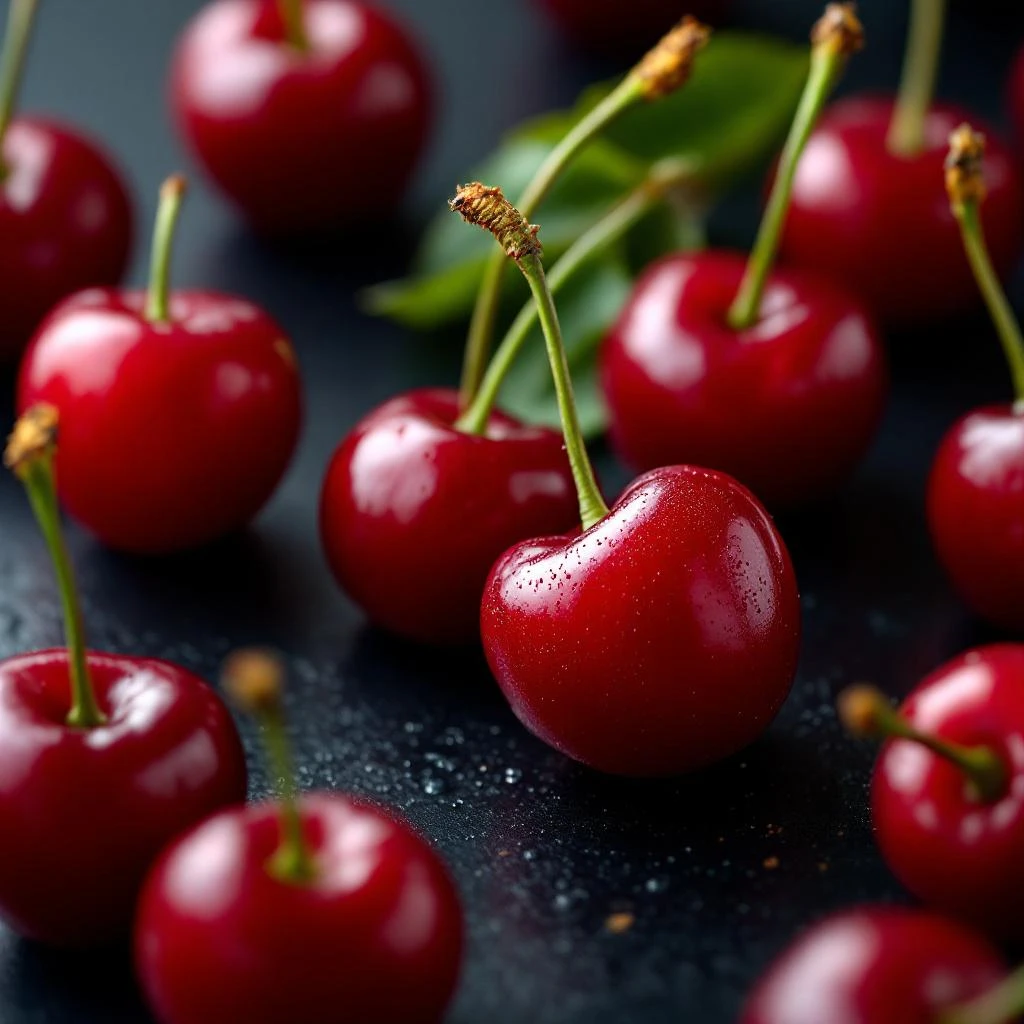
Soft berry accords draw from raspberry, strawberry, blackberry, and currant notes. Each contributes a different quality: raspberry adds brightness, strawberry brings sweetness, blackberry provides depth, and currant offers tartness. Perfumers blend these to create the signature soft effect.
How long does soft berry last in a fragrance composition?
Soft berry notes typically last two to four hours on skin, making them moderate in longevity. They work well as top and heart notes, bridging the opening and middle phases of a fragrance composition.
When did berry notes first appear in perfumery?
Berry notes emerged as a recognized fragrance category after 1925, gaining prominence with perfumes like Chypre by Coty. The fruity floral movement of the 1960s expanded their use significantly in women's fragrances.
Can you smell the difference between natural and synthetic berry notes?
Most wearers cannot reliably distinguish natural from synthetic berry notes in a finished fragrance. Professional perfumers detect differences through subtle variations in warmth and naturalness, but the accords are engineered to smell convincing either way.
What fragrance families commonly use soft berry?
Soft berry appears frequently in fruity florals, chypres, and modern gourmand fragrances. It pairs naturally with rose, peony, and jasmine florals, and complements woods like sandalwood and cedar that ground its sweetness.
Does soft berry work in both men's and women's fragrances?
Soft berry works across gender categories in contemporary perfumery. In men's fragrances, it often appears alongside aquatic or aromatic notes. In women's fragrances, it typically combines with floral or vanilla elements.
Why do perfumers use accord construction for berry notes?
Accord construction allows perfumers to control the specific character of berry notes precisely. Natural berry extracts are expensive and inconsistent due to harvest variations. Synthetics and isolates provide reliability while natural extracts add authenticity and complexity.