Snakeroot
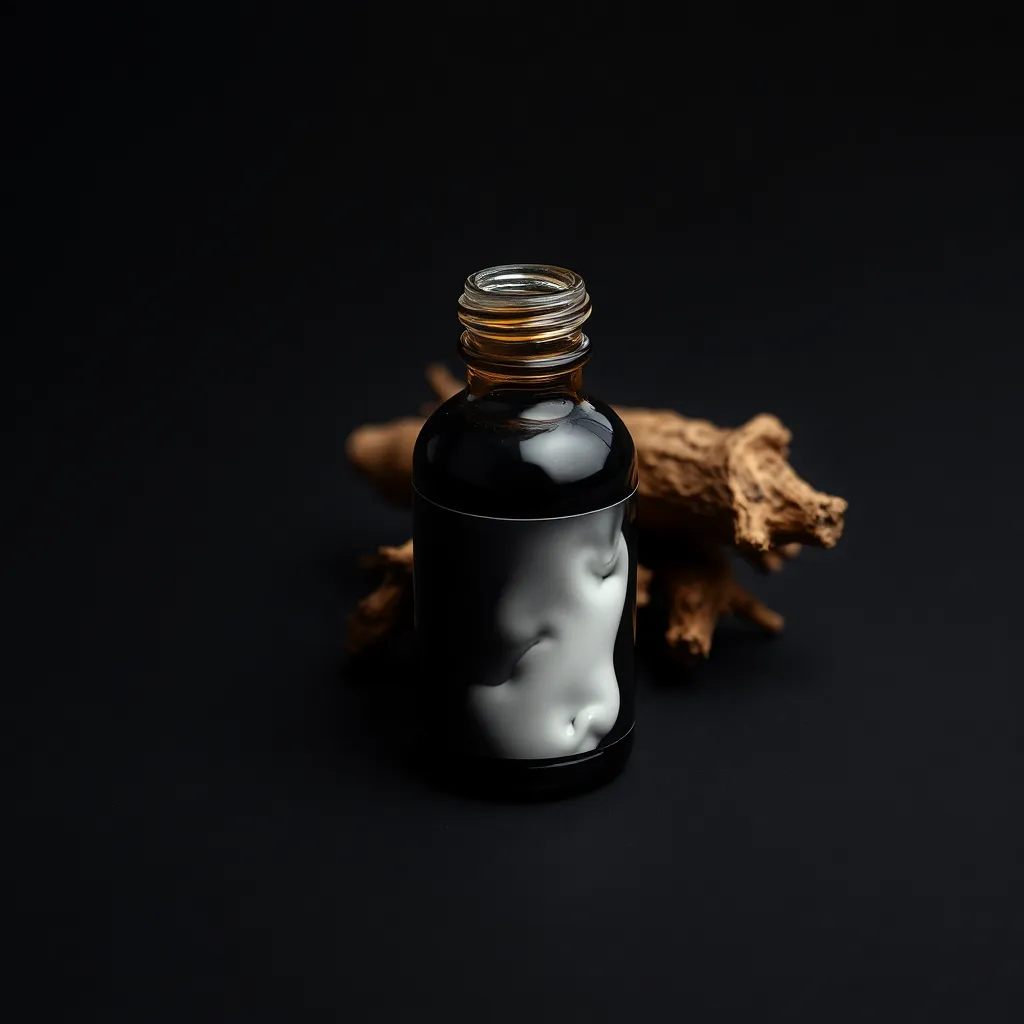
Snakeroot brings an earthy, bitter depth with a faintly medicinal edge that anchors dark and oriental compositions. This North American root yields an aromatic material prized for its leathery, woody character.
Character
How it smells
Earth's quiet anchor, bottled
The name "snakeroot" references its traditional use as a folk remedy for snakebites, long before perfumers recognized its rich aromatic potential in the 19th century.
Pairs beautifully with
Origin
United States
Snakeroot holds one of the more unusual origin stories in perfumery history. Native American tribes, including the Cherokee and Houma, used Aristolochia serpentaria medicinally for centuries before European settlers recognized its aromatic qualities. The plant entered formal botanical catalogs in the early 18th century, classified by John Clayton and later described in Linnaeus's Species Plantarum.
By the mid-1800s, American perfumers began experimenting with snakeroot oil as a base note in chypre and oriental-style fragrances. Its popularity peaked during the late Victorian era, when its bitter, earthy quality complemented the heavy florals and animalic notes popular at the time. The discovery of aristolochic acids as potentially harmful compounds led to restrictions on internal use, though external aromatic applications in perfumery continued.
Modern perfumers occasionally revisit this historical note, drawn to its distinctive character that synthetic alternatives struggle to replicate.
Wears it best
Fragrances featuring Snakeroot
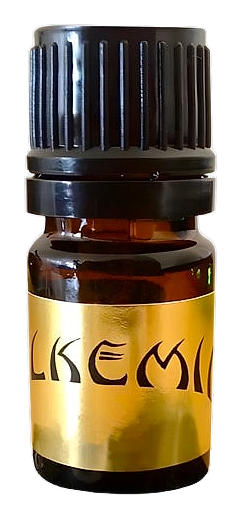
Brands
Brands known for Snakeroot
Good to know
Questions, answered
The essentials on Snakeroot in perfumery: how it smells, where it comes from, and how it behaves on skin.
What does snakeroot smell like in perfume?
Snakeroot offers an earthy, bitter aroma with camphoraceous and slightly medicinal undertones. It functions as a base note, adding depth and a leathery quality to oriental and chypre compositions.
Is snakeroot safe to use in fragrance?
When used externally as a fragrance ingredient, snakeroot oil is considered safe for topical application. The internal consumption concerns relate to aristolochic acids, not the concentrated aromatic extracts used in perfumery.
Where does snakeroot grow naturally?
Snakeroot is native to the eastern United States, particularly the Appalachian region and the woodlands of the southeastern states. It thrives in shaded, well-drained forest soils.
Why is snakeroot uncommon in modern perfumery?
Low extraction yields and the plant's slow growth make snakeroot expensive to produce. Combined with regulatory scrutiny of aristolochic acid content, it has largely fallen out of mainstream fragrance use since the early 20th century.
What fragrance families feature snakeroot?
Snakeroot appears most frequently in oriental, chypre, and fougère compositions where its bitter, earthy character provides anchoring depth. It pairs naturally with patchouli, oakmoss, and warm resinous materials.
Can snakeroot be reproduced synthetically?
No single synthetic molecule fully replicates snakeroot's complex profile. Perfumers sometimes blend camphor, borneol, and earthy base notes to approximate its character, though the result lacks the original's distinctive bitterness.
How is snakeroot essential oil extracted?
Steam distillation of the dried rhizomes and roots produces snakeroot essential oil. The process requires extended run times due to the woody density of the plant material, resulting in characteristically low yields.
What is the difference between snakeroot and vetiver?
Both serve as earthy base notes, but vetiver offers a cleaner, smoky root character while snakeroot delivers a more bitter, medicinal profile with camphoraceous highlights. Vetiver also harvests from larger grass roots.