Smoky Rose
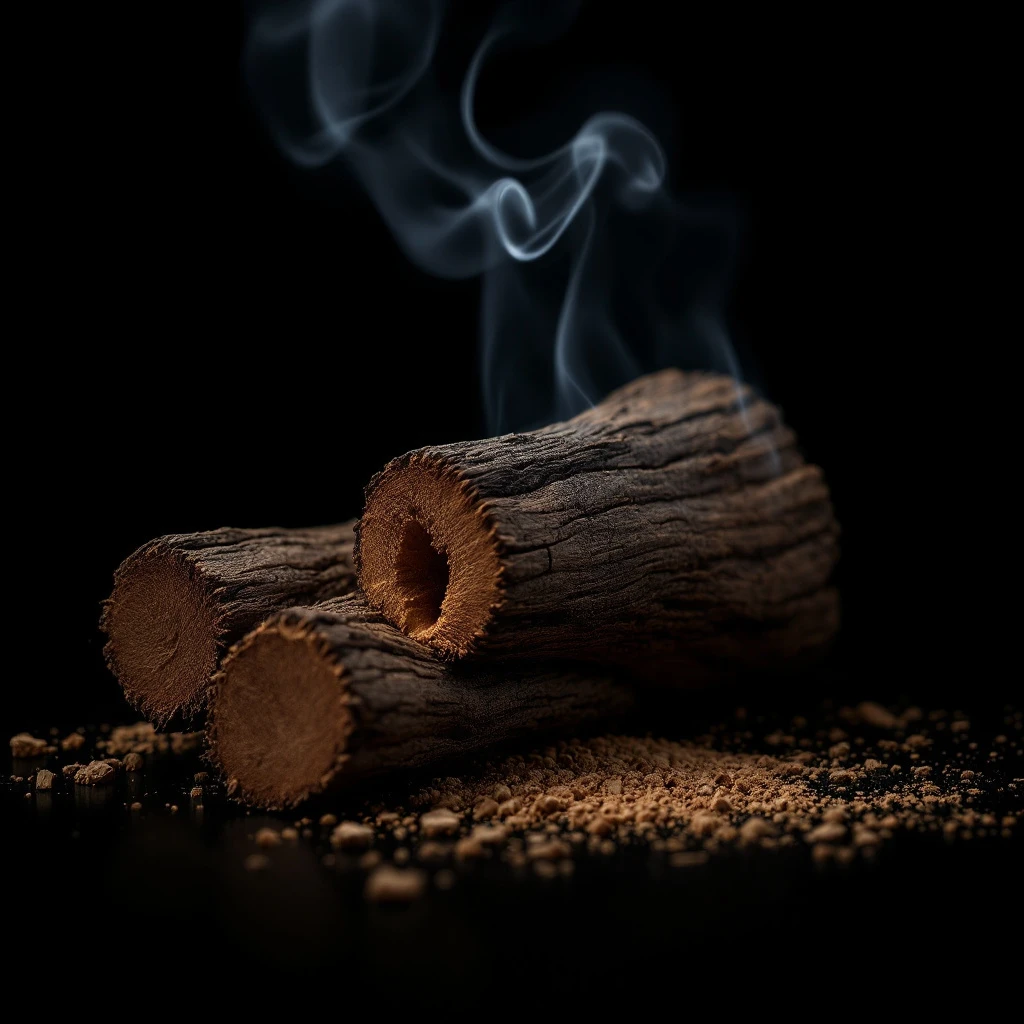
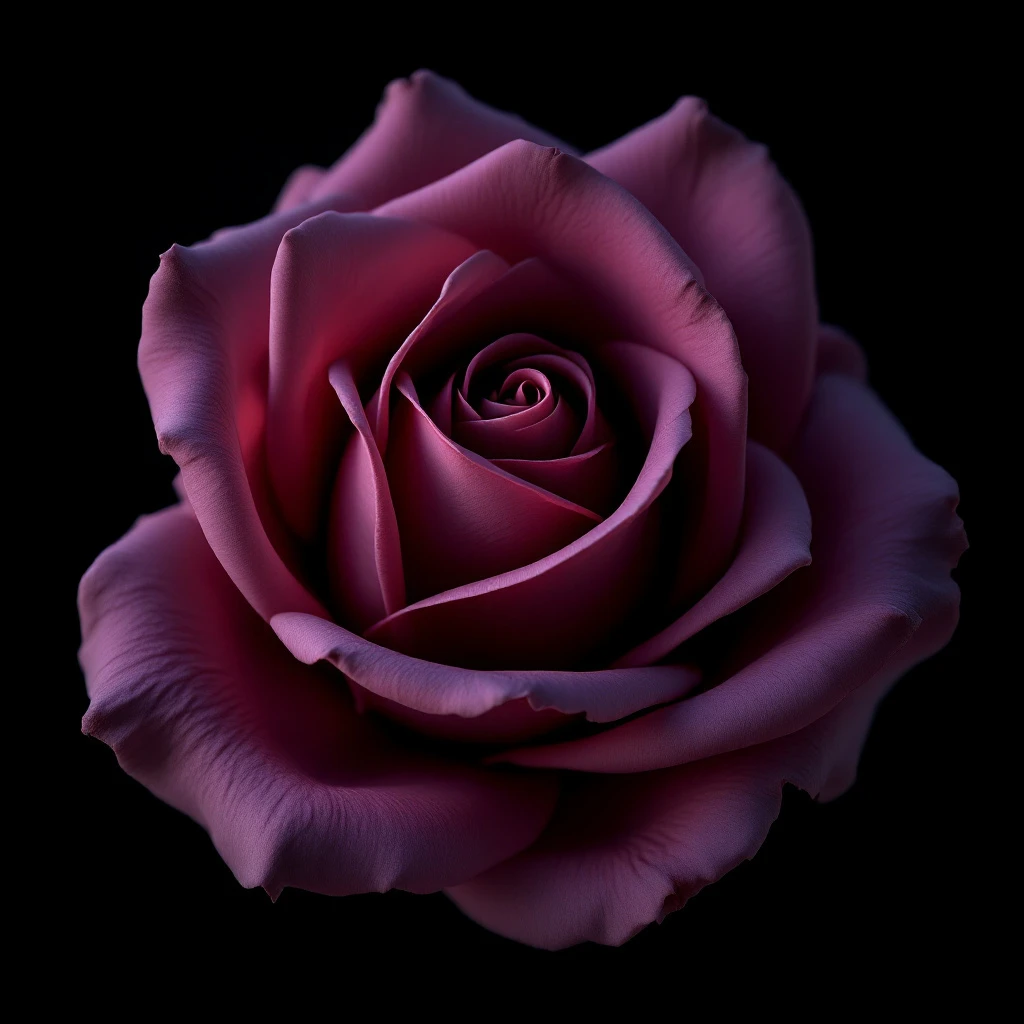
Smoky Rose is a haunting perfumery accord that fuses the romantic sweetness of rose with rich, smoky undertones from materials like oud, incense, and birch tar. The result is a scent that whispers of candlelit gardens and ancient rituals, where petals meet fire.
Character
How it smells
When rose meets flame.
Some smoky rose accords use rose petals that have been gently heated during processing, a technique inspired by medieval apothecary practices.
Pairs beautifully with

Origin
Turkey
The pairing of rose and smoke traces back to ancient ceremonial practices across Persia and the Ottoman Empire, where roses were burned alongside fragrant woods during religious rituals and court gatherings. Medieval Persian texts describe 'gul-dood,' a rose-and-incense preparation used in sacred spaces. When Ottoman perfumers began experimenting with imported rose oils in the 16th century, they discovered that burning certain woods near rose gardens created unexpected aromatic complexity.
The modern smoky rose accord emerged in the 20th century as synthetic perfumery allowed for more precise control over smoke intensity. Today, it remains a signature of oriental and romantic fragrance families, evoking both ancient tradition and contemporary artistry.
Wears it best
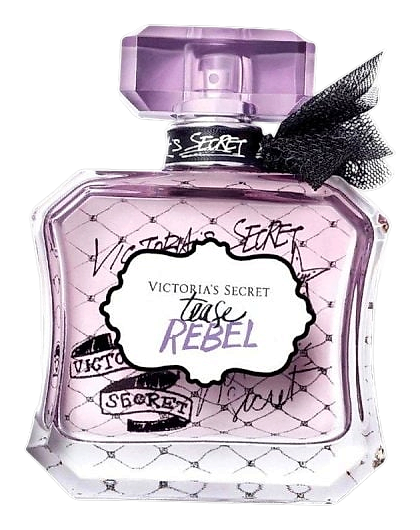
Fragrances featuring Smoky Rose
Brands
Brands known for Smoky Rose
Good to know
Questions, answered
The essentials on Smoky Rose in perfumery: how it smells, where it comes from, and how it behaves on skin.
What creates the smoky quality in Smoky Rose?
Materials like oud, birch tar, labdanum, and styrax provide the smoky depth. These resinous and woody materials contain phenolic compounds that create smoke-like aroma molecules when properly diluted in a formula.
Is Smoky Rose a natural or synthetic ingredient?
It exists as both. Natural smoky rose combines real rose absolute with smoked or resinous natural materials. Synthetic versions use aroma chemicals like guaiacol or isoeugenol to replicate smoke-like effects without raw materials.
Which rose species are used in Smoky Rose accords?
Rosa Damascena from Turkey and Bulgaria dominates high-quality smoky rose preparations. Rosa Centifolia from Grasse appears in some French interpretations. The choice affects the floral sweetness available to balance the smoke.
How much rose is needed to produce usable rose absolute?
One ton of rose petals yields approximately one kilogram of rose absolute. This 0.1% extraction rate explains why pure rose materials rank among the costliest in perfumery, often exceeding synthetic alternatives by tenfold.
What fragrances traditionally feature Smoky Rose?
The smoky rose concept appears in several designer and niche fragrances. Travailler's Carnal Flower combines it with jasmine, while Le Labo Rose 31 pairs it with cedar. The oriental fragrance family most commonly features this accord.
Can I experience smoky rose in nature?
Yes. After forest fires in regions where wild roses grow, the remaining plants sometimes develop altered scent profiles. Additionally, roses grown near wood-burning facilities or campfires can absorb trace smoky compounds through their waxy petal surfaces.
How does Smoky Rose behave in different fragrance concentrations?
In eau de parfum concentrations, smoky rose projects as a warm, slightly dry heart note. In pure perfume oil, the smoke amplifies considerably, often becoming the dominant impression before settling into a balanced drydown.
What notes pair well with Smoky Rose?
Vanilla softens the smoke while intensifying the rose. Oud naturally deepens the smoky quality. Black pepper adds spicy contrast. Jasmine can brighten the floral aspect when the smoke threatens to overwhelm.