Sherbet Powder
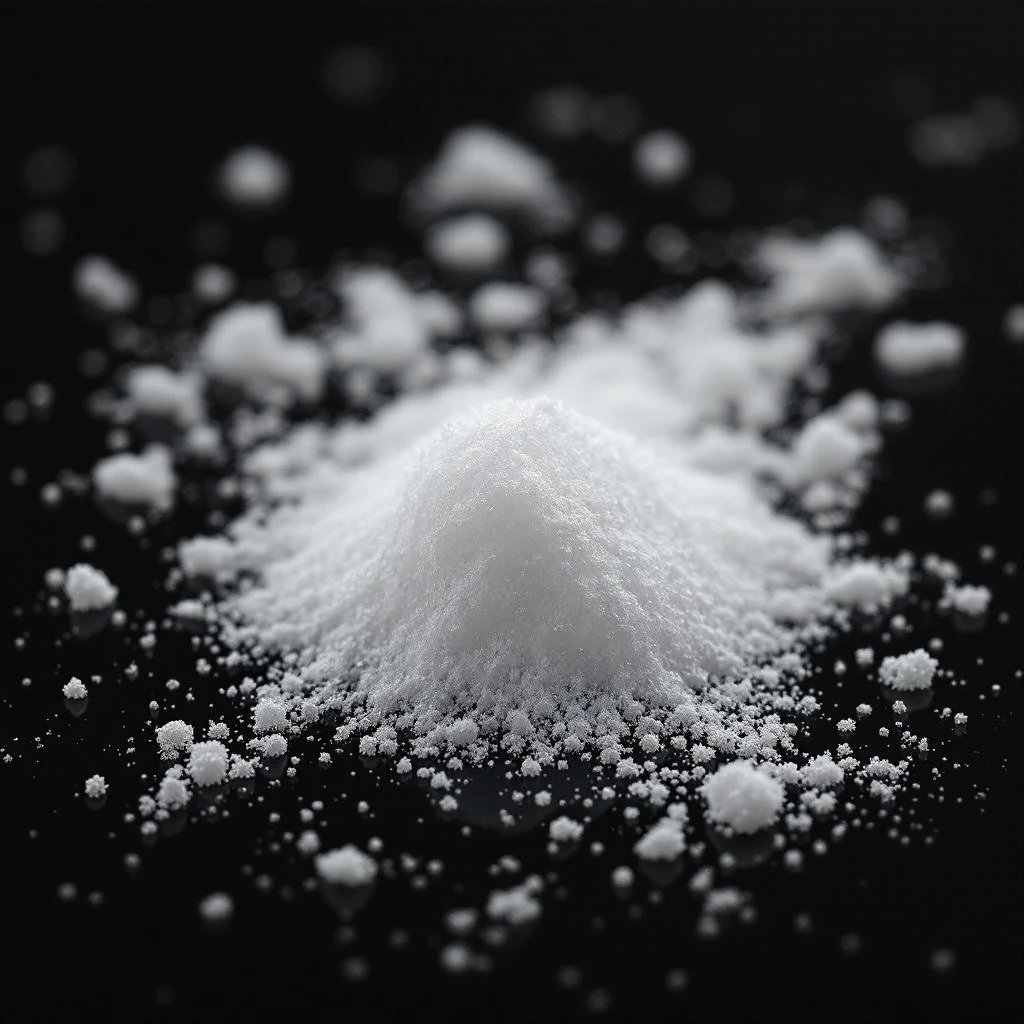
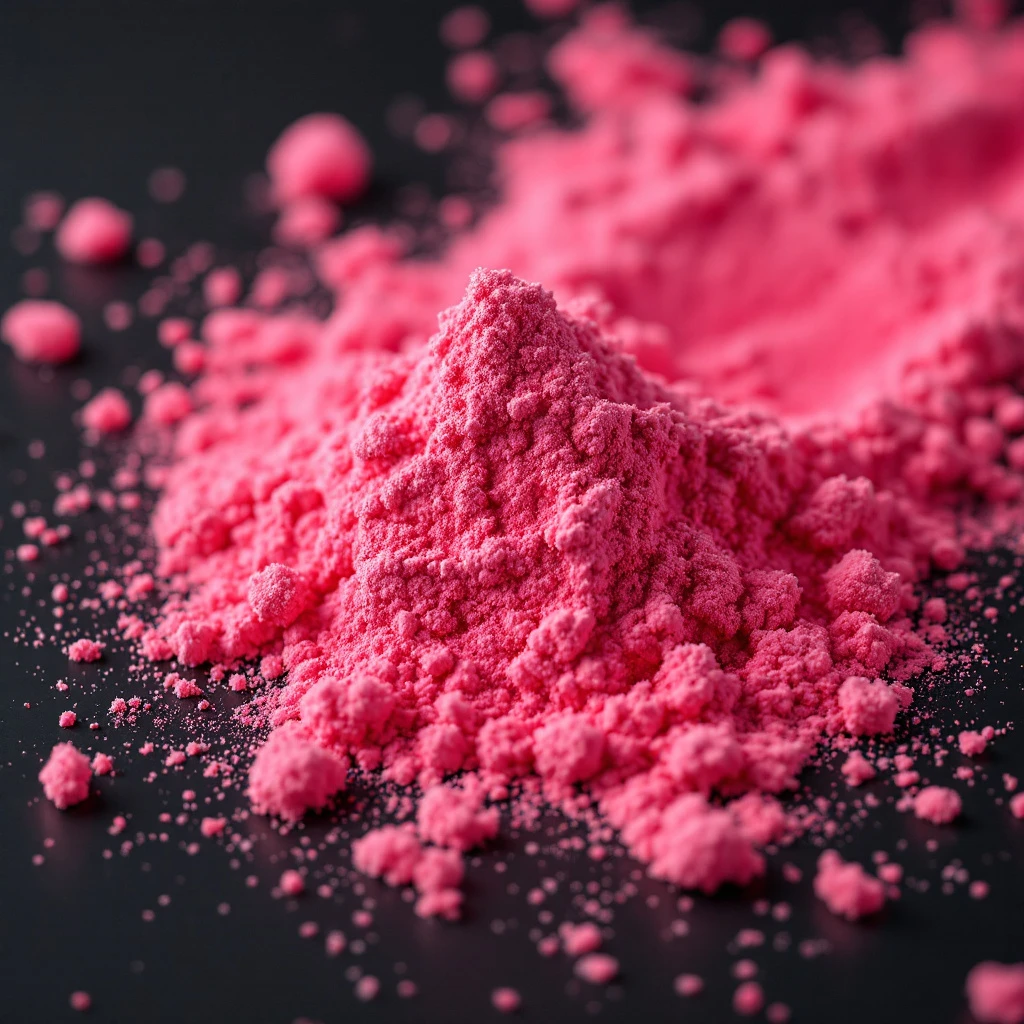
A playful confectionery accord that captures the fizzy, sweet-tart sparkle of powdered candy dissolving on the tongue, translated into a nostalgic, sugary scent for modern perfumery.
Character
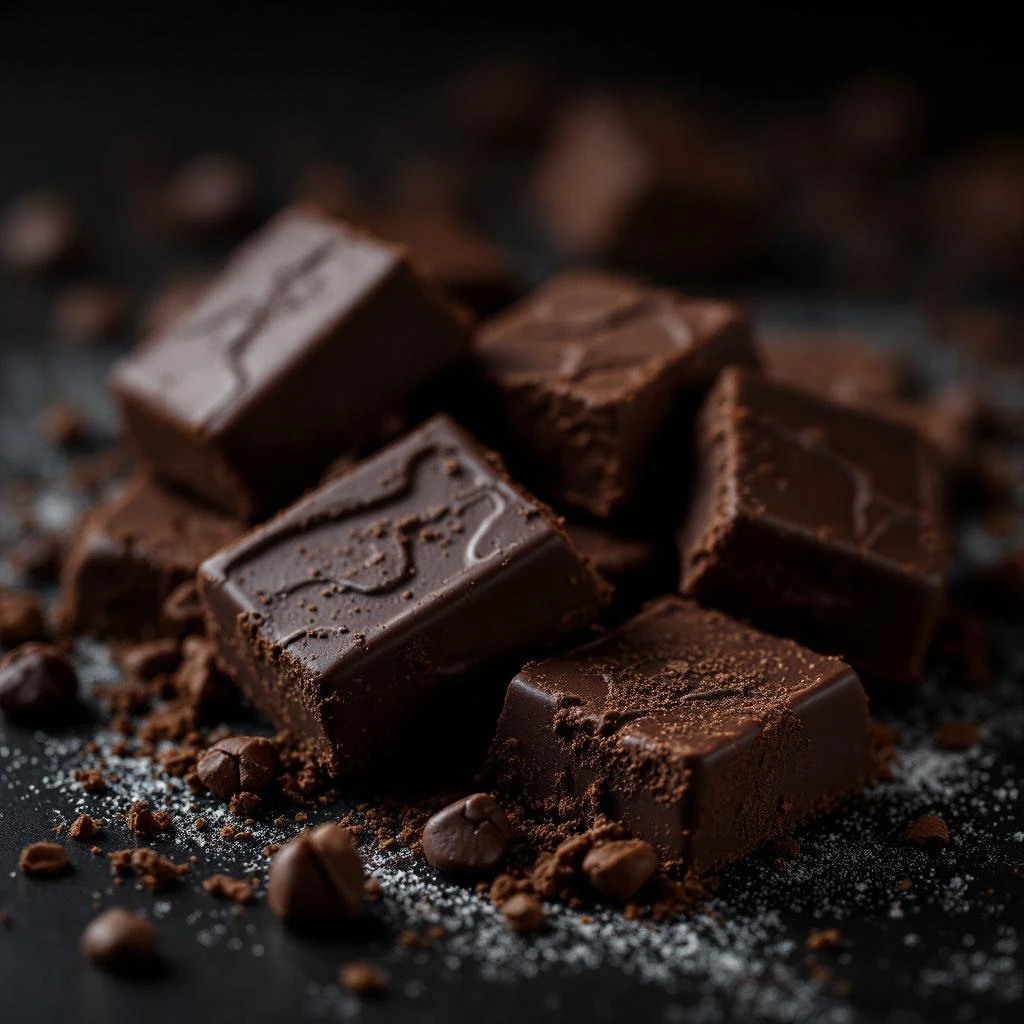
How it smells
Fizzy sugar crystals in vapor form
Sherbet powder as a perfumery note is a 21st-century invention, born from gourmand perfumery's obsession with edible nostalgia and synthetic aroma chemistry.
Pairs beautifully with


Origin
France
The sherbet powder accord emerged in perfumery during the mid-2000s, riding the same wave of gourmand fragrances that made notes like cotton candy, bubblegum, and cola commercially viable. It belongs to a movement that began with Thierry Mugler's Angel in 1992 and accelerated through the 2000s as niche perfumers like Serge Lutens and Antoine Lie pushed edible memories into fine fragrance. The cultural reference is real: sherbet powders, also called fizzy candy or sweet-tart tablets, have been a confectionery staple in British and Commonwealth sweet shops since the late 19th century, originally formulated with tartaric acid, baking soda, and sugar.
When perfumers began translating these childhood confections into wearable scent, they leaned on the same flavor chemistry developed by the food industry decades earlier. Today, sherbet powder appears in playful compositions that aim to bottle innocence, sugary anticipation, and the crackle of candy dissolving on the tongue.
Wears it best
Fragrances featuring Sherbet Powder
![#Self[ie] Blue by Água de Cheiro](https://pkjcevljwhrjwpswgpkp.supabase.co/storage/v1/object/public/fragrance-images/bottles/agua-de-cheiro/self-ie-blue.png)
Brands
Brands known for Sherbet Powder
Good to know
Questions, answered
The essentials on Sherbet Powder in perfumery: how it smells, where it comes from, and how it behaves on skin.
What is sherbet powder in perfumery?
Sherbet powder is a synthetic fragrance accord, not a natural ingredient. Perfumers build it from molecules like ethyl maltol for sugary sweetness and citrus aldehydes for tart fizz, recreating the smell of fizzy candy dissolving on the tongue.
Is sherbet powder a natural note?
No. Sherbet powder exists only as a constructed accord in the lab. It relies entirely on synthetic aroma chemicals, since no plant or animal source produces this specific candy-like scent profile.
What does sherbet powder smell like in a fragrance?
It smells fizzy, sweet-tart, and slightly creamy, recalling the moment a powdery candy fizzes on the tongue. Expect bright citrus sparkle layered over sugary warmth, often balanced with soft milky or fruity undertones.
Which perfumes feature sherbet powder?
Niche and indie houses have explored this accord most actively since the 2010s. It appears in playful gourmand and fruity compositions where perfumers aim to bottle edible nostalgia rather than in mainstream designer launches.
Is sherbet powder safe in perfume?
Yes, the synthetic molecules used to build the accord are approved by IFRA for fragrance use within specified limits. Ethyl maltol, the backbone of the note, has a long safety record in both flavor and fragrance applications.
When did sherbet powder become a fragrance note?
It entered mainstream perfumery vocabulary in the mid-2000s, growing out of the gourmand movement that Thierry Mugler's Angel started in 1992 and that niche perfumers expanded through the following decade.
What is the difference between sherbet powder and cotton candy notes?
Cotton candy smells purely sweet and caramelized, built largely on ethyl maltol alone. Sherbet powder adds tart citrus aldehydes and acidic sparkle, creating a sweet-and-sour profile that mimics fizzy candy rather than spun sugar.
Can sherbet powder be extracted from a plant?
No plant naturally produces this accord. Even citrus fruits, which contribute the tart element, lack the sugary backbone and fizzy character. The complete profile requires synthetic aroma chemistry to fully recreate.