Seychelles Patchouli
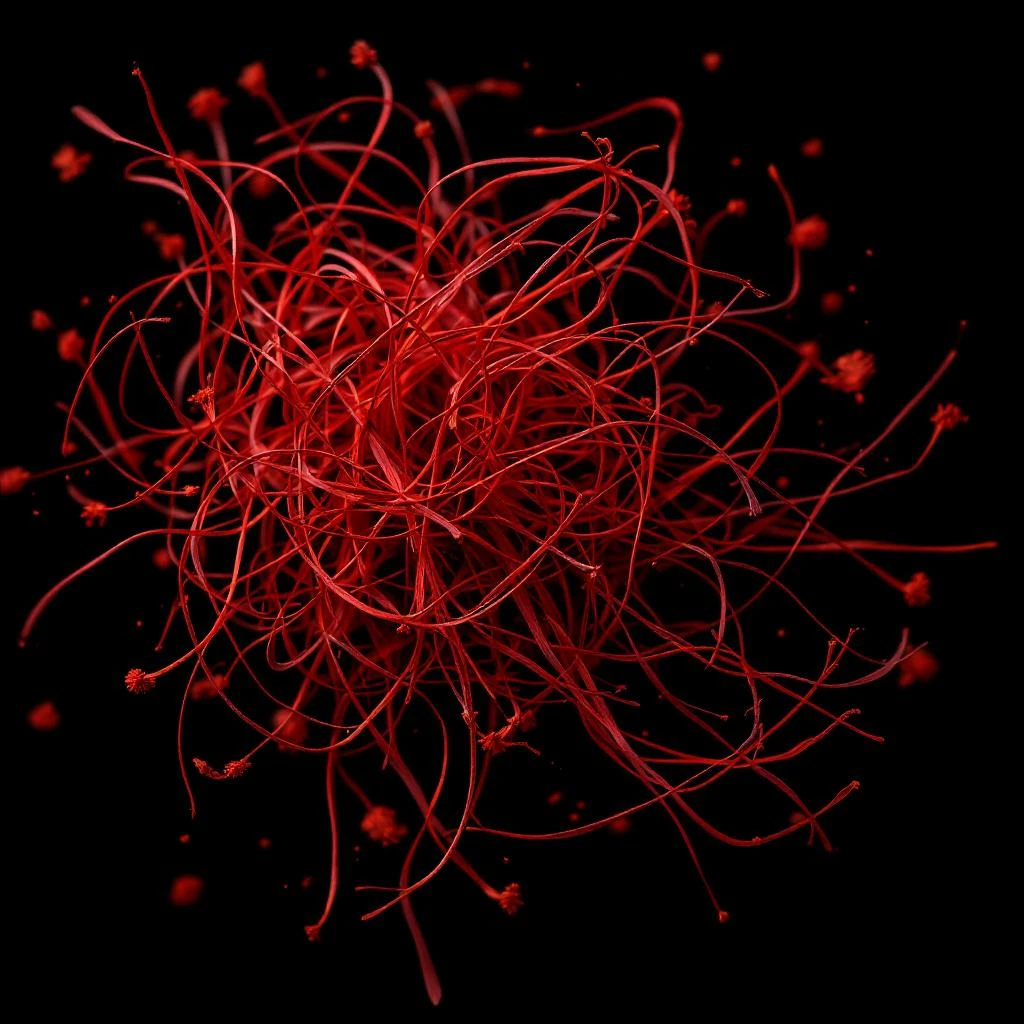
From the volcanic islands of the Indian Ocean, Seychelles Patchouli carries the mineral depth of tropical soil and the warm breath of ocean air into every drop. A terroir-driven expression of an icon.
Character
How it smells
Island earth, bottled.
Seychelles patchouli develops its signature mineral undertone from volcanic soils absent in other growing regions.



Origin
Seychelles
While patchouli's linguistic roots lie in Tamil South India, the plant found unexpected flourishing ground in the Seychelles archipelago, a chain of 115 islands in the western Indian Ocean. Portuguese explorers first documented the islands in the early 1500s, but commercial patchouli cultivation arrived much later, brought by traders following Indian Ocean routes.
The ingredient's journey to Western perfumery began in the 19th century when French and British traders discovered that Indian merchants had been using patchouli leaves to scent cashmere shawls during their long silk route voyages. The distinctive aroma became synonymous with exotic luxury.
During the Second Empire in France, perfumers began incorporating the oil systematically. Today, the Seychelles produces a niche but highly regarded expression prized by artisans seeking mineral complexity unavailable from mainstream Indonesian sources.
Wears it best
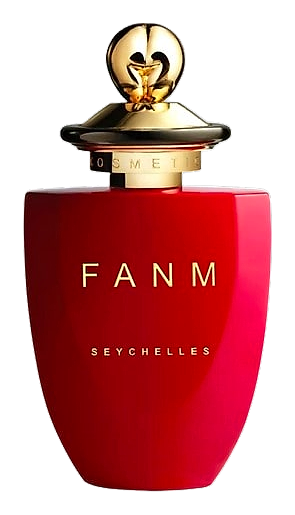
Fragrances featuring Seychelles Patchouli
Brands
Brands known for Seychelles Patchouli
Good to know
Questions, answered
The essentials on Seychelles Patchouli in perfumery: how it smells, where it comes from, and how it behaves on skin.
What does Seychelles Patchouli smell like compared to other origins?
Seychelles Patchouli opens with classic earthy, woody warmth then reveals a distinctive mineral dryness from volcanic soil composition. Indonesian varieties tend toward sweeter chocolate-tobacco facets, while Seychelles expresses sharper, more camphoraceous top notes followed by cleaner drydown.
Why is patchouli called by that name?
The name derives from Tamil: 'patchai' (green) plus 'ilai' (leaf). The Lamiaceae family plant earned its moniker from colonial traders encountering it in South India, though the Seychelles cultivation developed centuries later through Indian Ocean trade networks.
How does Seychelles cultivation produce different patchouli than Indonesia?
Volcanic basalt soils give Seychelles patchouli its characteristic mineral edge and reduced sweetness. Indonesian patchouli dominates global supply at 90 percent, but Seychelles small-batch production prioritizes terroir expression over volume, yielding a subtly different aromatic profile.
Why did traders historically use patchouli with fabrics?
Patchouli leaves served as functional insect repellent in fabric transport. Indian merchants tucked leaves between cashmere folds during silk route journeys to Europe, protecting shipments from moths and vermin while accidentally establishing the scent as a marker of exotic luxury.
Does patchouli improve with age?
Patchouli oil develops and mellows over 12 to 24 months of maturation. Young oil can smell harsh and medicinal; aged expressions reveal the characteristic rich, chocolate-wool depth that perfumers prize. Seychelles producers typically hold batches minimum six months before release.
What extraction method captures Seychelles patchouli best?
Steam distillation of cured dried leaves remains standard. Some artisan producers experiment with shorter distillation runs to preserve top-note brightness, accepting lower yield for aromatic complexity. Solvent extraction produces concrete used in solid perfumes and concentrated bases.
Is Seychelles patchouli sustainable?
Seychelles patchouli cultivation remains small-scale, operating at a tiny fraction of global production. This limited output aligns naturally with sustainable practices, though no formal certification systems currently apply to most island producers.
What notes pair well with Seychelles patchouli?
Vanilla amplifies patchouli's chocolate facets. Vetiver adds smoky earthiness. Rose softens its intensity. Oud and leather build dramatic oriental compositions. Bergamot lifts the heavier base note for brighter daytime formulations.