Sea Spray
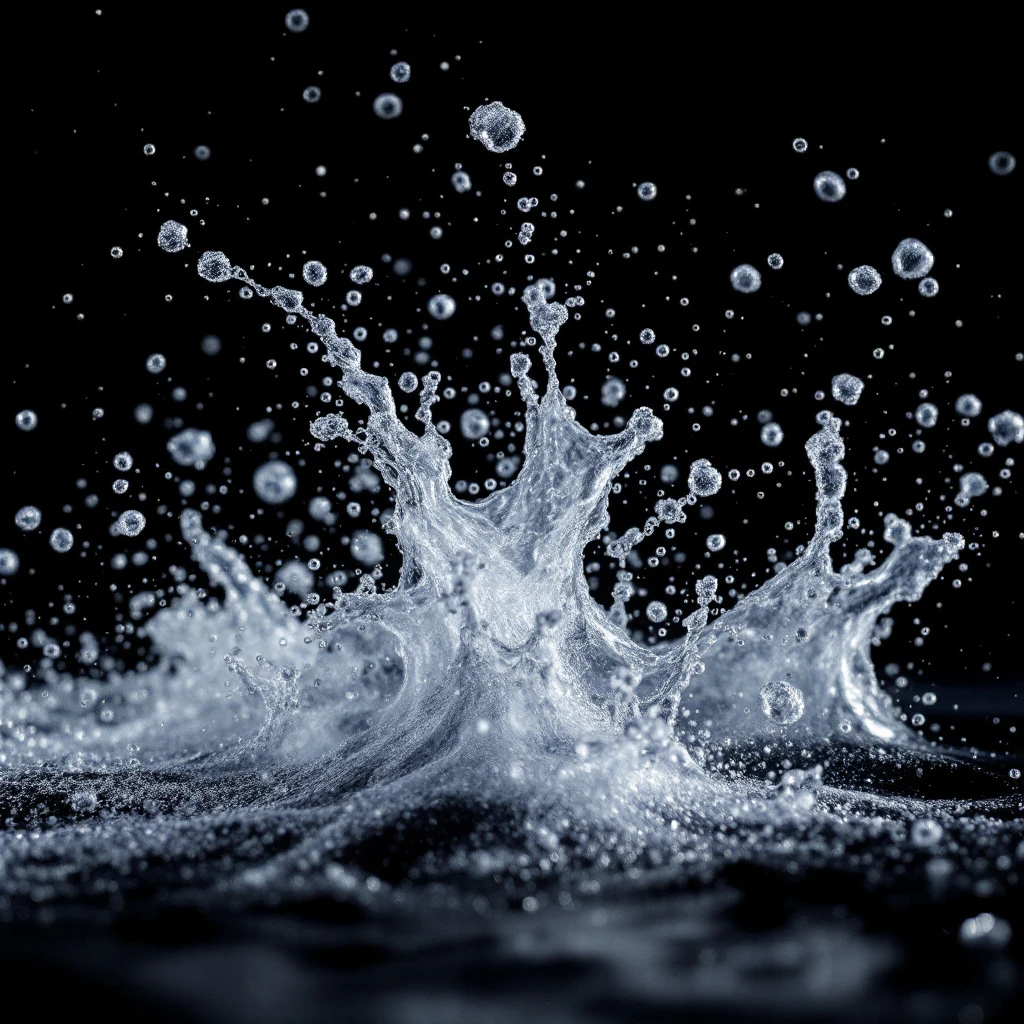
Sea spray captures the sharp minerality of breaking waves, salt on skin, and ozone carried inland by coastal wind. It is not extracted from the ocean but reconstructed through aroma chemistry that mimics the briny, airy freshness of open water.
Character
How it smells
Salt, wind, and ozone in a single accord
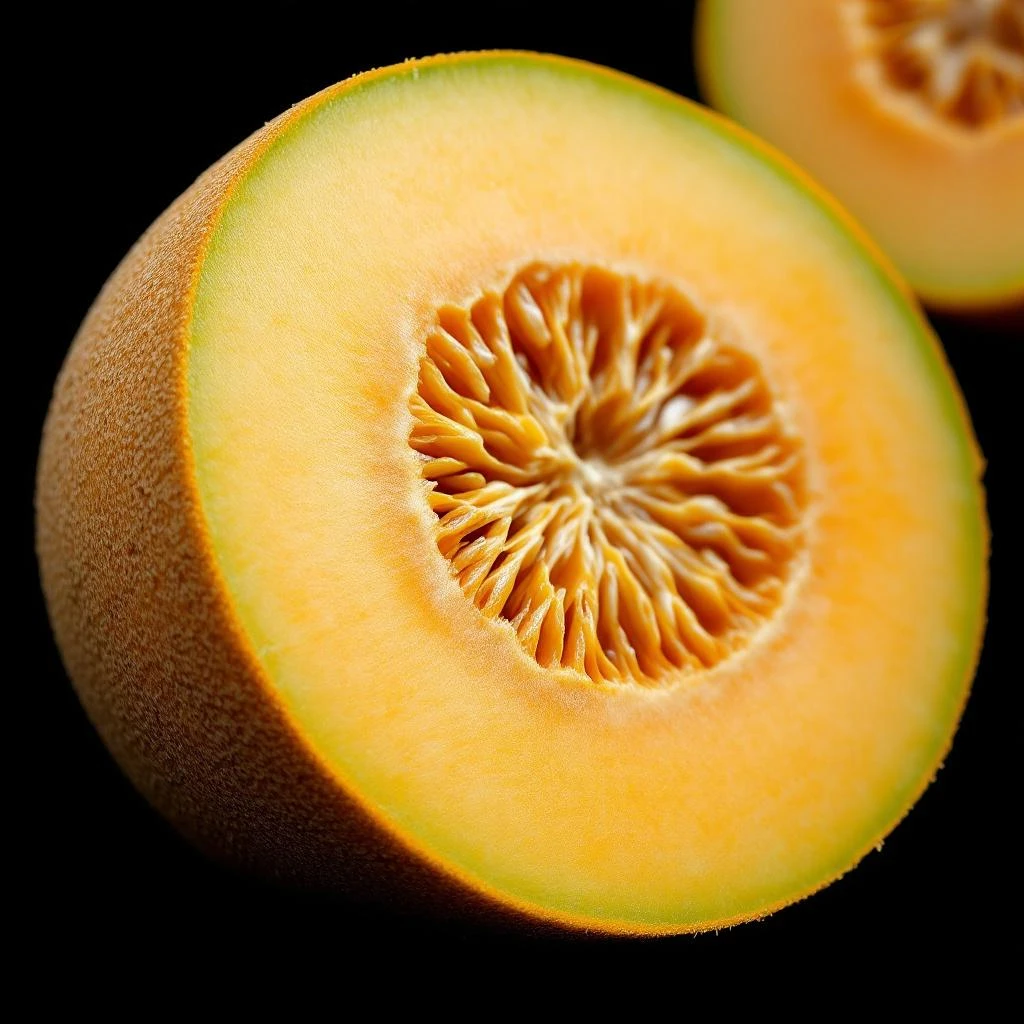
The most famous sea spray molecule, Calone, was synthesised in 1966 and introduced watermelon and melon notes to perfumery before its marine identity took hold.
Pairs beautifully with
Origin
Switzerland
Sea spray is a relatively recent invention in perfume history, born from 20th century aroma chemistry rather than ancient botanical tradition. Before synthetic marine notes existed, perfumers relied on ambergris, a waxy substance produced in sperm whale digestive systems, to evoke oceanic warmth and salt. Ambergris was historically prized enough to justify entire trade routes.
The shift happened in 1966, when chemists at a Swiss firm synthesised Calone, a molecule with an unprecedented aquatic profile. Calone first appeared in fine fragrance in the early 1990s, helping define the ocean-themed masculine colognes of that decade. It also became central to Davidoff Cool Water, one of the most commercially successful fragrances of the 1990s.
By the 2000s, marine accords had become a recognised fragrance family, signalling freshness and sport rather than literal seascapes.
Wears it best
Fragrances featuring Sea Spray
Brands
Brands known for Sea Spray
Good to know
Questions, answered
The essentials on Sea Spray in perfumery: how it smells, where it comes from, and how it behaves on skin.
What does sea spray smell like in perfume?
Sea spray combines sharp saltiness, cool ozone, and a faint melon or watermelon sweetness. The accord is airy and mineral, designed to mimic the sensation of waves crashing and wind carrying mist inland.
Is sea spray a natural or synthetic ingredient?
Most sea spray accords are entirely synthetic, built from aroma chemicals like Calone. Natural seaweed absolute exists but is rare and expensive, so it appears in only a handful of fragrances.
When was the sea spray note first used in perfumery?
Calone, the lead molecule behind sea spray notes, was synthesised in 1966. It entered mainstream fine fragrance in the early 1990s, helping define that decade's aquatic cologne category.
What is Calone and why is it important?
Calone is a synthetic molecule discovered in 1966 that produces a distinctive marine, slightly melon-like scent. It is the backbone of most modern sea spray accords and a defining molecule of 1990s aquatic perfumery.
Can you get sea spray from real ocean water?
No. Ocean water cannot be distilled or extracted into a usable perfume ingredient. Perfumery creates sea spray from synthetic chemistry, sometimes supplemented with seaweed absolute or ambergris tincture.
How is sea spray made for fragrance?
Perfumers blend synthetic molecules like Calone, Floralozone, and Norlimbanol in precise ratios. These are diluted into alcohol or oil bases, then added to fragrance formulas at concentrations typically under two percent.
Is sea spray the same as the ozonic or marine fragrance family?
Sea spray is the core accord within the broader marine and ozonic fragrance families. These categories share a fresh, watery profile, but marine specifically emphasises salt and kelp facets over pure ozone.
Why is sea spray so common in men's cologne?
Marine accords were heavily marketed in 1990s men's colognes like Cool Water, which became a commercial phenomenon. That success embedded sea spray as shorthand for masculine freshness in mainstream perfumery.