Sandalwood Orpur
Givaudan's Orpur® designation marks their premium, responsibly-sourced sandalwood from Santalum album plantations in Mysore, India, offering the warm, creamy woodiness beloved in Oriental and woody fragrances.
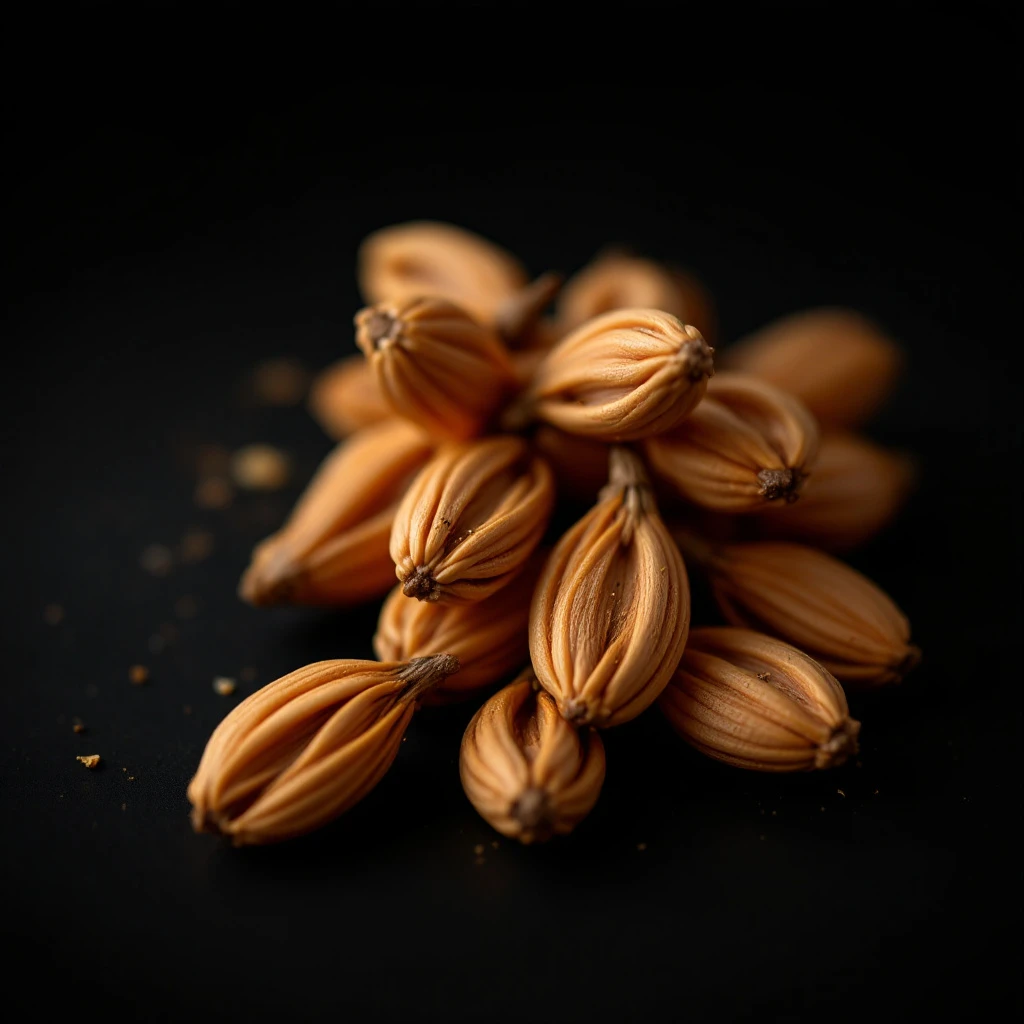
Character
How it smells
The gold standard of Eastern fragrance for millennia.
Sandalwood's warm creaminess has anchored Eastern perfumery for over four thousand years.



Origin
India
Sandalwood has held humans captive for over four thousand years. Ancient texts from India document sandalwood use in perfumery, medicine, and religious ceremony from the seventh century BCE. Arabian perfumers powdered the wood to create solid perfumes centuries ago. Chinese texts mention sandalwood in religious contexts.
Traditional Ayurvedic practice incorporated it for its grounding properties. Indian royalty reserved sandalwood for sacred rituals who believed it purified body and mind. European traders discovered sandalwood and carried it westward as a luxury ingredient. Today, Orpur® represents Givaudan's commitment to preserving this heritage.
The program sources Santalum album from certified plantations, primarily in Mysore, Karnataka, where the species has grew wild for millennia. This traceable, sustainable approach ensures perfumers continue working with one of history's most treasured ingredients. Fresh smoothing brings out the warmth that made sandalwood invaluable across four millennia of human culture.
Wears it best
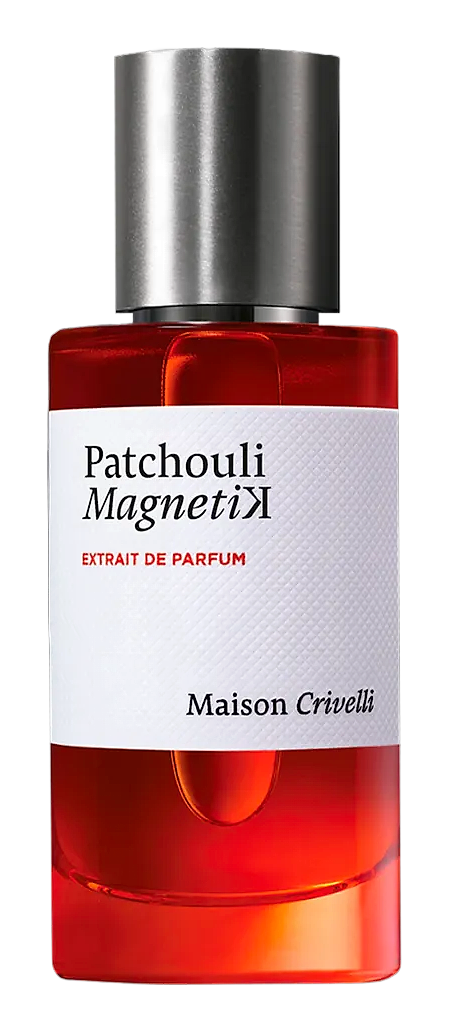
Fragrances featuring Sandalwood Orpur

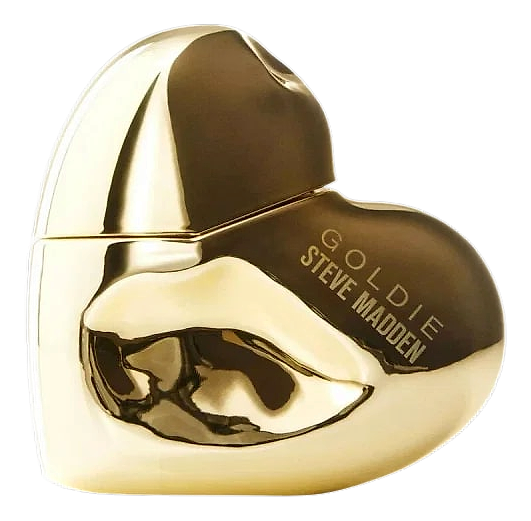
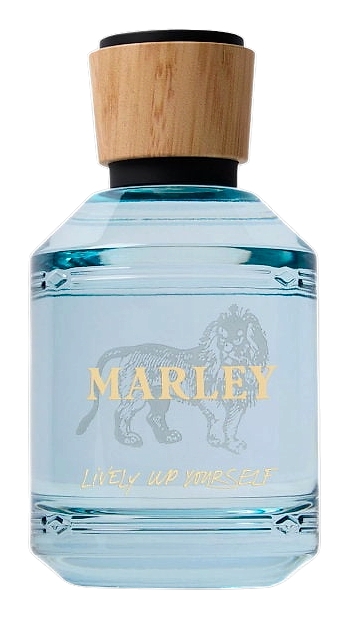
Brands
Brands known for Sandalwood Orpur
Good to know
Questions, answered
The essentials on Sandalwood Orpur in perfumery: how it smells, where it comes from, and how it behaves on skin.
What does Sandalwood Orpur® smell like?
BLUF: Sandalwood Orpur® offers warm, creamy woodiness with milky, almost buttery softness. The scent evolves from bright, slightly sweet opening notes to a rich, enveloping warmth. Santalum album specifically delivers the characteristic creamy profile that forms the backbone of iconic Oriental fragrances.
How long has sandalwood been used in perfumery?
BLUF: Sandalwood has a documented history spanning 4,000 years, making it one of the oldest continuously used perfume ingredients. Seventh century BCE Indian texts record its use in perfumery and religious ceremony. Today, Santalum album remains the most prized species for its distinctive creamy, warm character.
Where does Orpur® sandalwood originate?
BLUF: India and Oceania are the primary origins. Santalum album grows wild across Mysore, India, the historical heartland, while Givaudan's Orpur® program sources material from certified, sustainable plantations. This approach ensures supply chain transparency while preserving wild populations.
How does Orpur® ensure responsible sourcing?
BLUF: Orpur® certification requires full traceability from forest or plantation to Givaudan's facilities. Each batch undergoes sustainability verification, confirming legal harvesting, responsible land management, and community fair trade. This system addresses concerns raised by 1990s depletion from overexploitation.
What fragrance families pair well with Orpur® sandalwood?
BLUF: Oriental and woody fragrances lead, but sandalwood extends into chypre, certain florals, and even fresh compositions. It blends seamlessly with oud, amber, and vanilla as a base. Rose, jasmine, and neroli create complementary floral directions. The creamy warmth adds coherence to complex perfumes.
What makes sandalwood's scent last so long on skin?
BLUF: Sandalwood's tenacity comes from sesquiterpene compounds that bind effectively to skin lipids. The molecular structure resists volatility, allowing the scent to develop slowly over hours. This fixation quality made sandalwood invaluable in solid perfumes and continues to anchor modern compositions.
Why does Orpur® sandalwood cost more than standard grades?
BLUF: Santalum album requires 15 to 30 years of growth before harvesting, combined with certification and traceability overhead. Orpur® pricing reflects this extended cultivation window, sustainability verification, and the premium Givaudan commands for verified-origin material. The investment supports long-term supply stability.
What cultural significance does sandalwood hold beyond perfumery?
BLUF: Indian and Southeast Asian traditions used sandalwood in religious ceremonies, temple rituals, and Ayurvedic medicine for millennia. The wood held sacred status, burned as incense and applied during cremations. Orpur® sourcing programs now preserve these traditions by ensuring sustainable supply from documented origins.