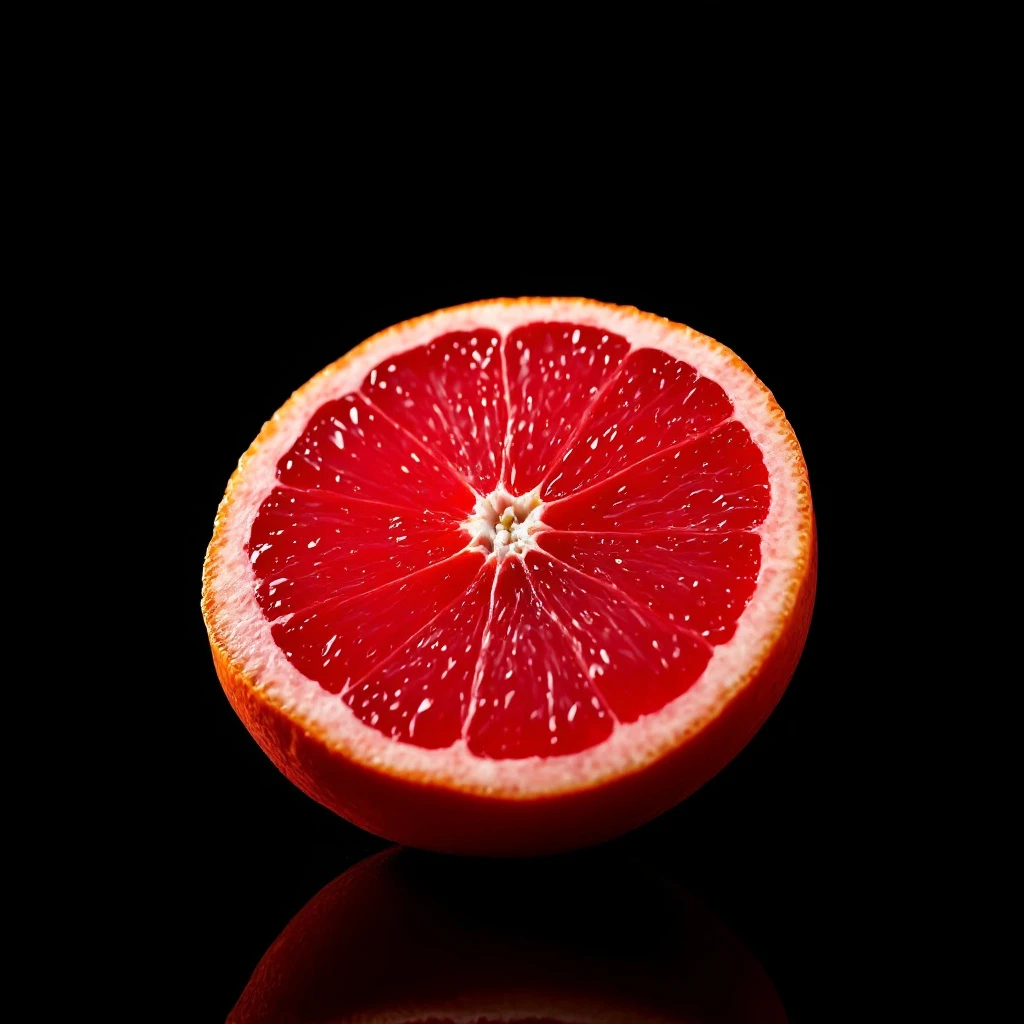
Ruby Red Grapefruit
Ruby Red Grapefruit brings a bold, sun-drenched brightness to fragrance. This vivid citrus note captures the tension between sweet flesh and bitter pith, creating an immediate lift that defines the opening of countless modern perfumes.
Character
How it smells
Perfumery's most energetic citrus top note
Ruby Red Grapefruit emerged as a spontaneous mutation of the Pink Marsh grapefruit variety in a 1929 Texas grove.
Pairs beautifully with

Origin
Barbados
Grapefruit first appeared around 1750 in Barbados, likely as a natural hybrid between sweet orange and pomelo. For decades it remained a curiosity, prized for its size rather than its scent. The decisive shift came in 1929, when a single Ruby Red tree was discovered in a Texas orchard, its fruit distinguished by deeper pigmentation and a sweeter-tart balance.
By 1933, Florida had begun producing the first grapefruit essential oils, and perfumers quickly recognized the oil's unique character. Unlike its citrus relatives, grapefruit oil contains no coumarins and projects a particularly bright, clean aroma that became foundational to mid-century colognes and surged in popularity with the 1980s fragrance revolution.
Wears it best
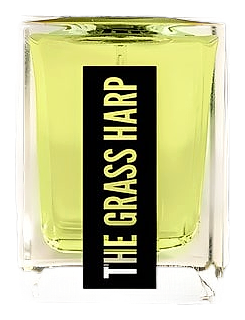
Fragrances featuring Ruby Red Grapefruit
Brands
Brands known for Ruby Red Grapefruit
Good to know
Questions, answered
The essentials on Ruby Red Grapefruit in perfumery: how it smells, where it comes from, and how it behaves on skin.
What does Ruby Red Grapefruit smell like in perfume?
Ruby Red Grapefruit delivers a bright, tart aroma with a distinctively clean bitterness. The scent combines sharp citrus peel with underlying sweetness from the fruit's flesh, creating an energizing, translucent lift that defines a fragrance's opening moments.
Is Ruby Red Grapefruit oil natural or synthetic?
Natural Ruby Red Grapefruit oil exists and is cold-pressed from the fruit peel. However, most modern fragrances use nature-identical compounds that replicate grapefruit's key aromatic molecules at scale, ensuring batch consistency across productions.
How does Ruby Red Grapefruit differ from regular grapefruit in perfumery?
Ruby Red Grapefruit oil tends toward deeper, sweeter flesh notes compared to white grapefruit, which is more sharply bitter. Ruby Red varieties produce oil with slightly softer edges while retaining the characteristic citrus punch perfumers require.
What extraction method produces Ruby Red Grapefruit oil?
Cold expression of the fruit peel is the standard method. Machines score the outer rind, rupturing oil glands, and the expressed liquid is separated by centrifugation. No heat is used, preserving the volatile top-note character.
Where does Ruby Red Grapefruit originate?
Grapefruit originated in the Caribbean around 1750, likely as a natural hybrid between sweet orange and pomelo. The Ruby Red mutation was first documented in a Texas grove in 1929.
How long has grapefruit been used in perfumery?
Commercial grapefruit essential oil reached perfumers in 1933 when Florida began production. Within decades it became one of the most widely used citrus top notes in modern fragrance formulations.
Does Ruby Red Grapefruit contain allergens?
Like all citrus oils, grapefruit oil contains d-limonene as its primary component, along with minor aldehydes. These compounds are listed as allergens under IFRA regulations and appear in ingredient declarations for finished fragrances.
How long does Ruby Red Grapefruit last on skin?
As a citrus top note, Ruby Red Grapefruit is highly volatile and typically lasts 30 minutes to two hours on skin. Fragrance formulations that use modern fixatives can extend its perceptible presence to three or four hours.