Rose Apple
Rose apple is a perfumer's illusion, a fruity-green accord built from aroma chemicals rather than a distilled fruit oil. The tropical Syzygium jambos yields no commercial essence, so its crisp, watery character must be reconstructed molecule by molecule.
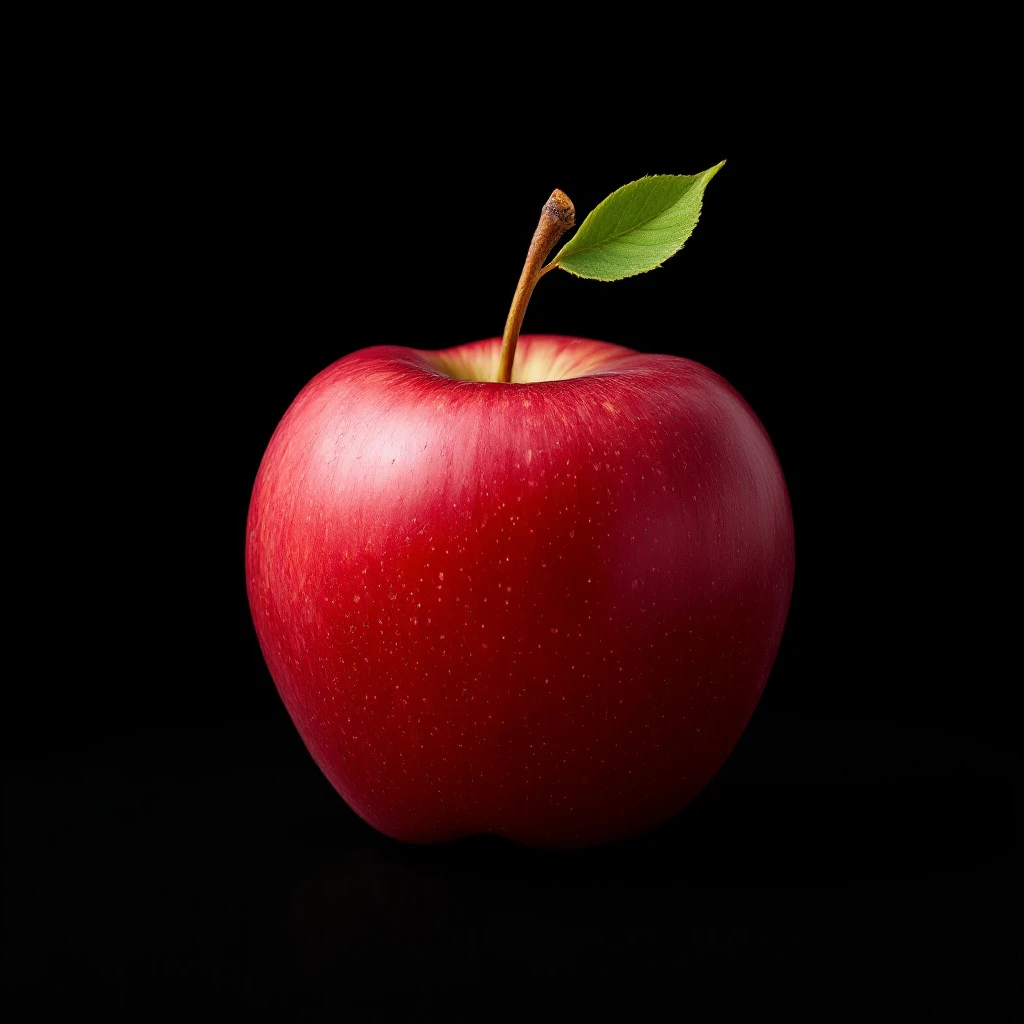
Character
How it smells
A fruit that never gave up its scent
The rose apple tree (Syzygium jambos) is native to Southeast Asia and was classified by Linnaeus, who named it Eugenia jambos in 1753.
Pairs beautifully with
Origin
Indonesia
Syzygium jambos traveled the world long before perfumers took interest in its scent. Native to the Malay Archipelago and likely parts of Indonesia, the tree spread across tropical Asia centuries ago, its bell-shaped, pale yellow-pink fruit eaten raw, preserved, or steeped into folk remedies. Portuguese and Spanish colonizers carried seeds to the Caribbean and Central and South America during the 16th and 17th centuries, where the species naturalized in lowland regions from Cuba to the Peruvian Amazon.
The name "rose apple" itself is a 19th-century English colonial translation, referencing the fruit's faint rose-like aroma when fully ripe. In French-influenced Caribbean islands, the same tree is called pommier rose; in Brazil, it became jambeiro. None of these cultures, however, developed a tradition of extracting fragrance from the fruit. It was a food plant and a curiosity, not a perfumery material.
The accord's true history is shorter. As synthetic aroma chemistry matured in the late 20th century, perfumers gained the tools to reconstruct scents that nature had never packaged neatly. Rose apple emerged as a niche fruity-floral note in tropical and aquatics compositions, gaining wider visibility in the 2010s as niche and mainstream houses experimented with photorealistic fruit effects. Its story is essentially modern: a note born in the laboratory, named after a tree that never yielded a drop of essence.
Wears it best
Fragrances featuring Rose Apple
Brands
Brands known for Rose Apple
Good to know
Questions, answered
The essentials on Rose Apple in perfumery: how it smells, where it comes from, and how it behaves on skin.
Is rose apple essential oil commercially available?
No. Syzygium jambos fruit does not yield a traded essential oil. The rose apple note in perfumery is a reconstructed accord built from synthetic aroma molecules like linalool, geraniol, and specific green-fruity esters.
What does rose apple smell like in perfume?
The accord is crisp, watery, and faintly floral, with a green-fruity sweetness reminiscent of biting into a cool, just-picked tropical fruit. It is lighter and less syrupy than mango or pineapple, with a soft rose-like undertone.
Where does the rose apple tree grow?
Syzygium jambos is native to Southeast Asia, particularly the Malay Archipelago and parts of Indonesia. Portuguese and Spanish colonizers introduced it to the Caribbean and South America during the 16th and 17th centuries.
Is rose apple a natural or synthetic fragrance ingredient?
It is synthetic in practice. Because the fruit does not produce a commercially viable oil, perfumers reconstruct the scent using individual aroma chemicals, sometimes boosted with natural isolates from related sources.
How is the rose apple accord made?
Perfumers combine linalool and geraniol for soft floral facets, then add green-fruity esters such as ethyl 2-methylbutyrate or hexyl acetate for crispness, and trace lactones for juicy tropical depth. The mixture typically constitutes 2-3% of a fragrance formula.
What perfume families use rose apple?
Rose apple appears most often in fruity florals, tropical compositions, and modern aquatics, where its cool, watery character adds lift to heavier coconut, jasmine, or white floral bases.
Why is it called rose apple if there is no rose in it?
The English colonial name references the fruit's faint rose-like aroma when fully ripe, not any botanical relation to true roses (Rosa species). The French term pommier rose and Spanish pomarrosa follow the same logic.
Can rose apple be confused with rose or apple notes?
It shares geraniol's soft floral edge with rose and the crisp green-fruity esters of some apple varieties, but its overall character is distinctly tropical and lighter than either. It is its own accord, not a blend of the two.





