The Story
Why it exists.
The beginning
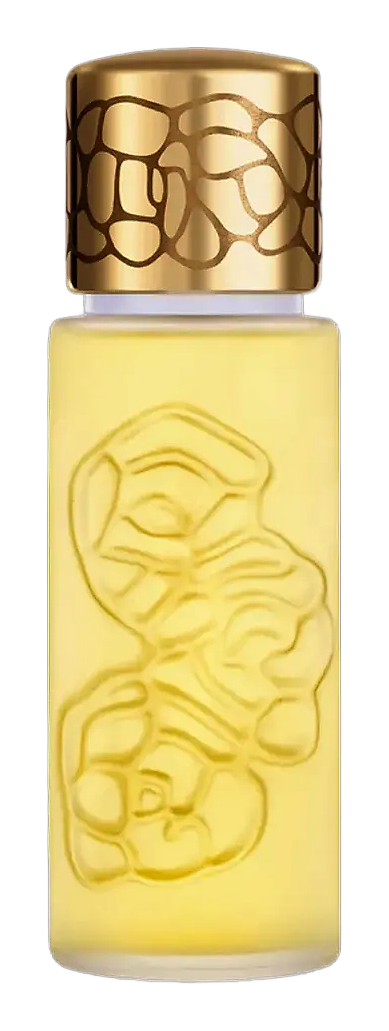
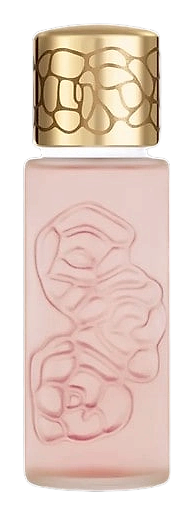
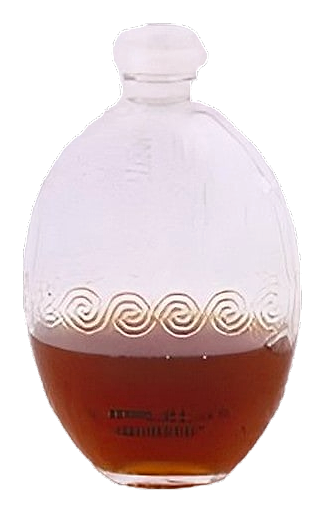
The name translates simply: Lilac Time. Houbigant released it during the 1920s, a period when French perfumery was producing florals with a particular kind of botanical honesty, a commitment to capturing a single flower at its peak. Robert Bienaimé, the perfumer, built the composition around one obsession: lilac in bloom, rendered with the restraint that defined the finest work coming out of Paris at the time. The fragrance belonged to a house with a long lineage, one that had already shaped the vocabulary of modern scent through decades of careful composition. Le Temps des Lilas entered that same conversation, but quieter. More seasonal.
What makes this composition distinctive is its restraint. Bienaimé didn't bury lilac under a dozen supporting notes. He set it against lily of the valley for that cool, green-white lift, threaded rose apple through the heart for a crisp, almost-edible shimmer, and let the lilac itself carry the weight of the entire structure. It's a soliflore approach disguised as a composition, technically complex in execution, emotionally simple in intent. The genius is that you smell lilac, not perfume that smells like lilac.
The evolution
The first hour is the lilac at its most vocal. White, dewy, slightly green at the edges. Lily of the valley keeps the air around it cool, while rose apple adds a faint fruit-skin crispness that prevents the florals from collapsing into sweetness. There's a faint spice warmth underneath from the start, the soft spicy accord that the community picks up on, but it stays in the background like sun through a curtain. By hour two, the lilac begins to soften. The green recedes. What remains is warmer, more honeyed, the rose apple turning almost jam-like against the muguet. The sillage contracts. This is when it becomes a skin scent, something the wearer knows and anyone standing close enough discovers. As the hours pass, the composition settles into a gentle white-floral close, the lilac losing its sharp edges and becoming something more diffused, a memory of itself rather than a statement.
Cultural impact
Le Temps des Lilas sits in a category of its own: the forgotten floral. Released during the 1920s, it occupies a particular place in the archive of French perfumery, a period when soliflore work was being explored with remarkable sincerity. The fragrance is not a household name, and that's part of its appeal. It's a reference point rather than a bestseller, the kind of composition that serious perfume people recognize and return to across decades.