Rosalina
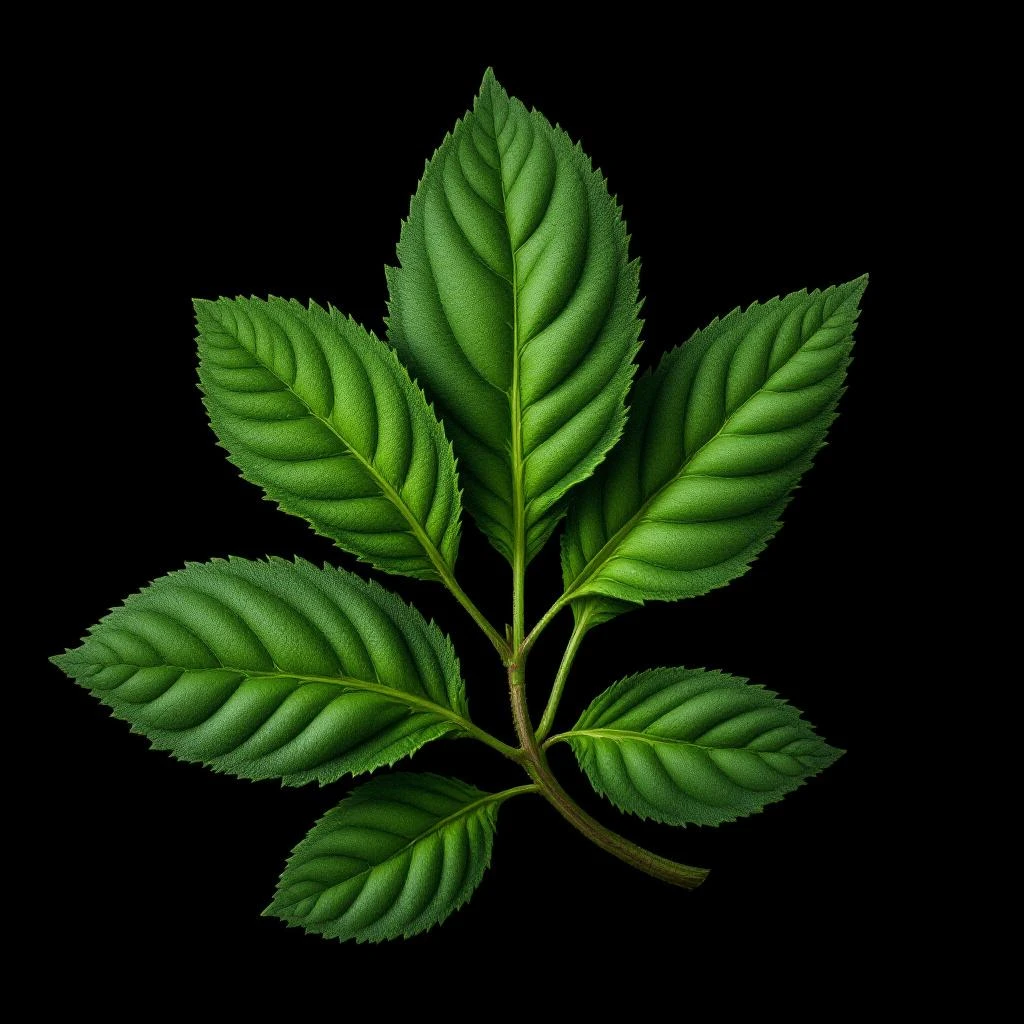
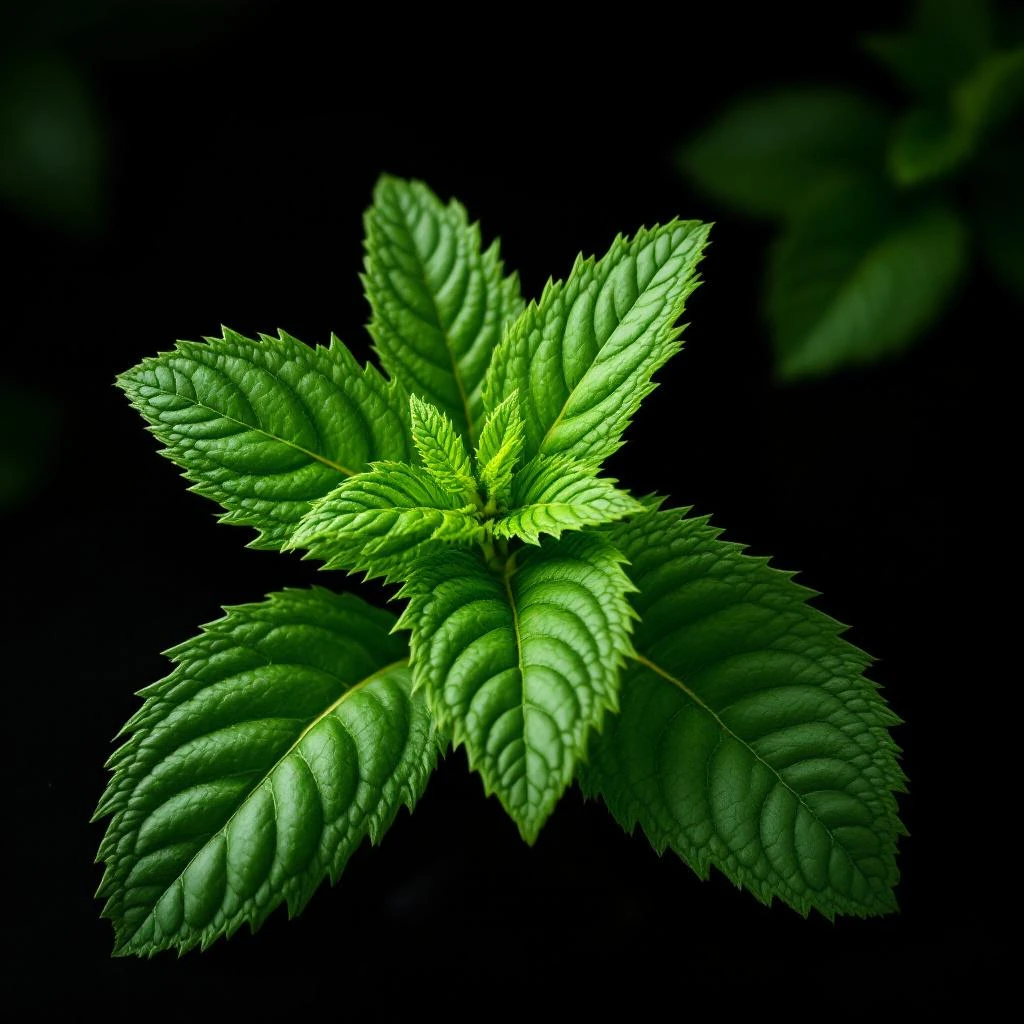
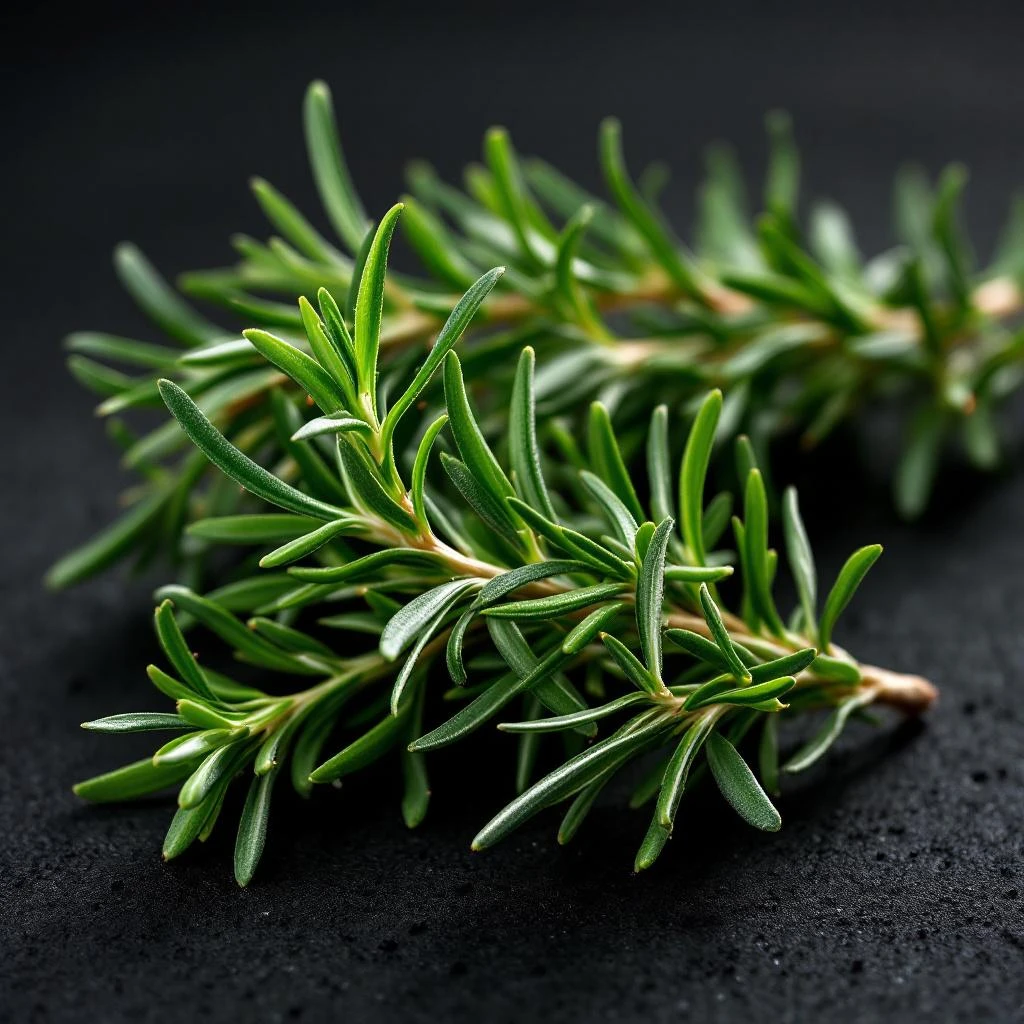
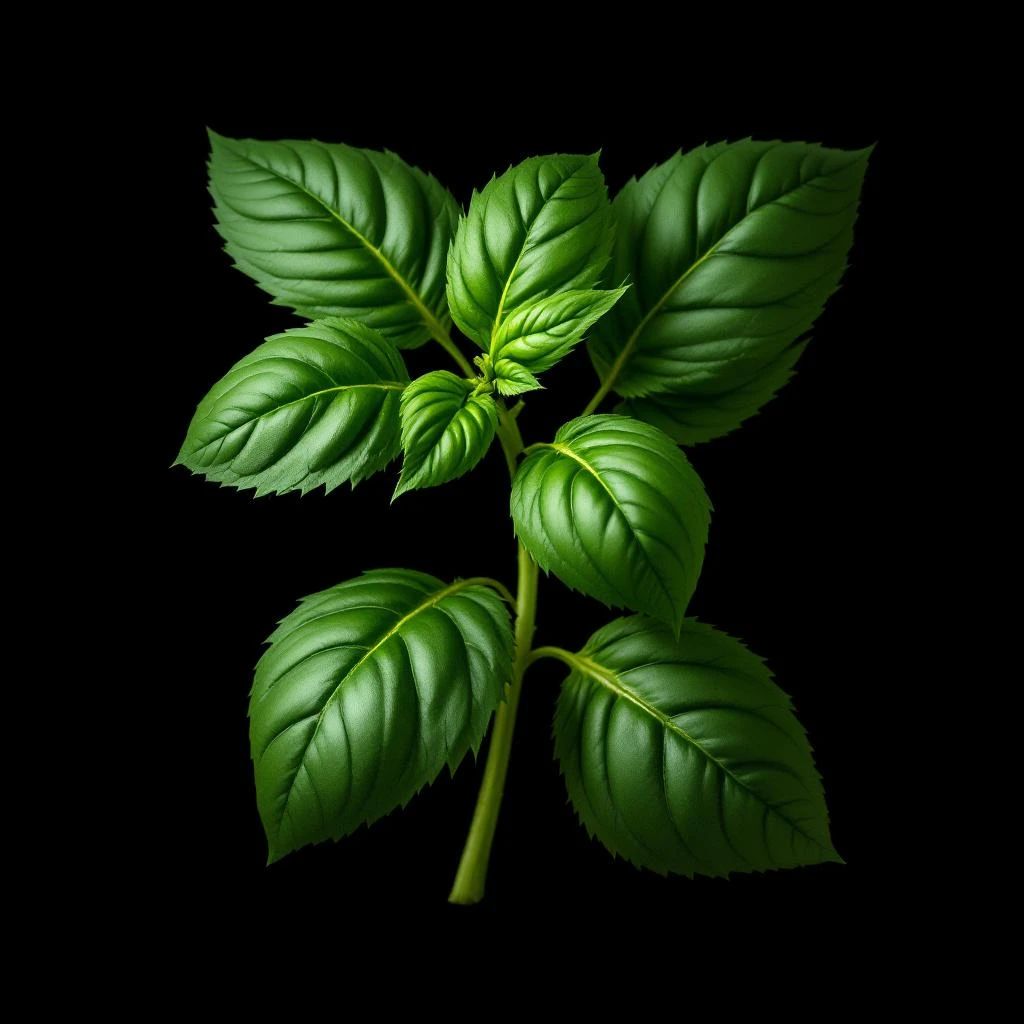
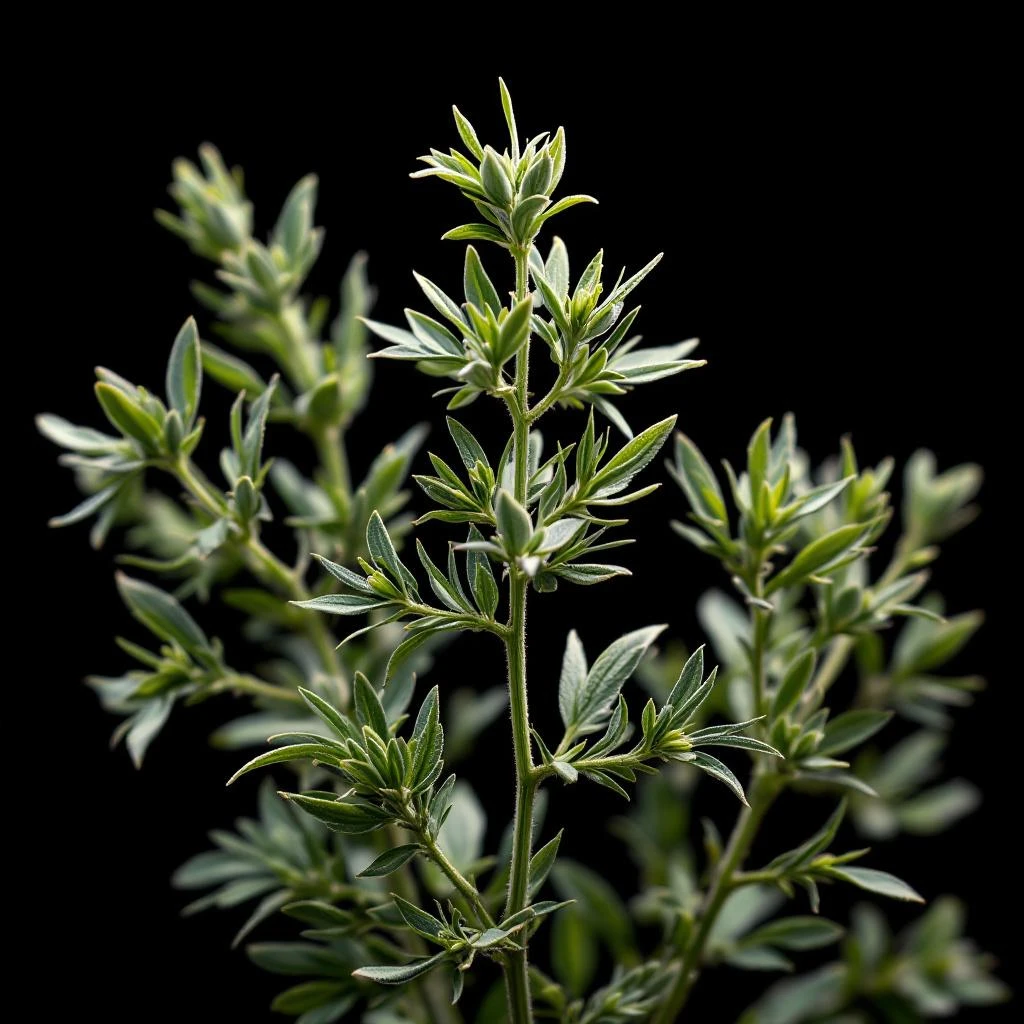
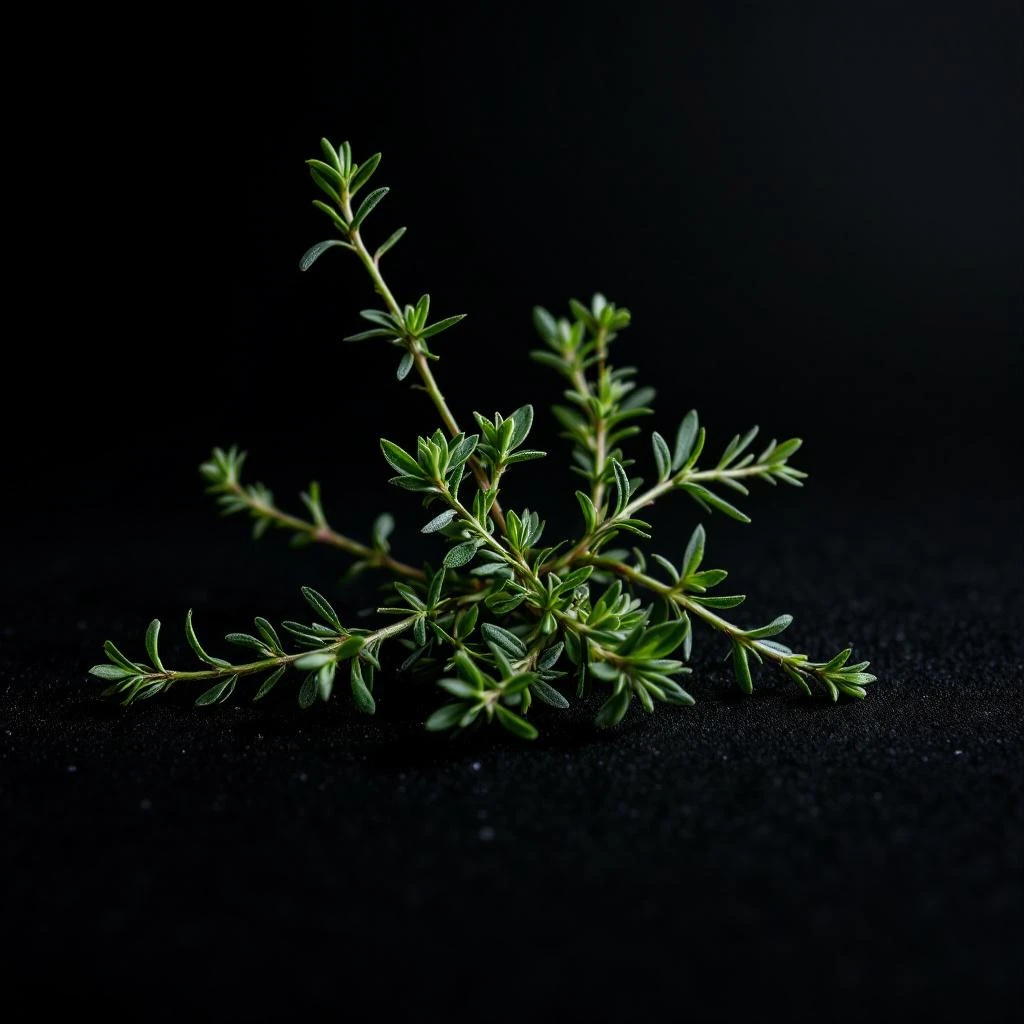
Rosalina, sometimes called lavender tea tree, yields an essential oil that smells like a meeting point between two distant cousins: cool, mentholated eucalyptus and sweet, herbal lavender. Native Australian perfumers prize it for a serene, clarifying quality.

Character
How it smells
Australia's quiet bridge between lavender and tea tree
Rosalina oil contains roughly 1,8-cineole at half the concentration of eucalyptus oil, giving it a softer, rounder inhalation profile that aromatherapists often compare to breathing near a cool forest stream.
Pairs beautifully with


Origin
Australia
Rosalina entered the perfumery vocabulary relatively recently. Indigenous Australians long knew the Melaleuca ericifolia plant, related to the tea tree species, but Western documentation of its aromatic properties emerged primarily through Australian essential oil research in the late 20th century.
Chemists analyzing native flora identified its distinctive linalool-rich profile, distinguishing it commercially from the sharper Melaleuca alternifolia (tea tree). By the early 2000s, aromatherapy literature began naming the oil Rosalina to signal its unique character: floral, soothing, and less medicinal than its botanical relatives.
Australian natural perfumers adopted it as a本土 alternative to French lavender, especially in botanical formulations emphasizing native flora. Today it appears in niche perfumery as a middle-note modifier, appreciated for smoothing compositions built around sharper herbal or camphorous ingredients.
Wears it best
Fragrances featuring Rosalina
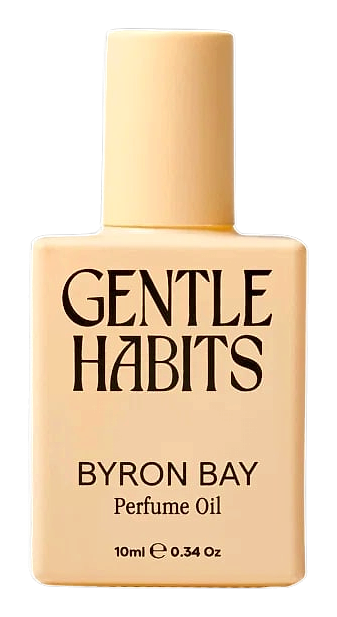
Brands
Brands known for Rosalina
Good to know
Questions, answered
The essentials on Rosalina in perfumery: how it smells, where it comes from, and how it behaves on skin.
What does Rosalina smell like in a perfume?
Rosalina reads as a soft, cool blend of lavender and tea tree, with linalool bringing sweet floral facets and 1,8-cineole adding gentle menthol brightness. It feels calmer and rounder than either botanical relative.
Is Rosalina the same as tea tree oil?
No. Rosalina comes from Melaleuca ericifolia, a different species than tea tree (Melaleuca alternifolia). Its oil contains more linalool and far less of the sharp terpinenes that define medical-grade tea tree aroma.
Where does Rosalina essential oil come from?
Rosalina is harvested almost exclusively in southeastern Australia, particularly the wetland regions of New South Wales and Victoria. The tree grows wild in coastal heathlands and is now cultivated on small plantations.
How is Rosalina oil extracted?
Producers use steam distillation. Chopped foliage sits in a chamber while hot steam passes through, carrying volatile compounds into a condensation coil. The resulting oil separates as a pale yellow liquid within several hours.
Can Rosalina replace lavender in a formula?
Partially. Rosalina shares lavender's linalool backbone, so it can soften herbal accords. However, it carries more cineole, giving it a cooler, more camphorous edge that shifts the overall character rather than replicating lavender exactly.
Is Rosalina safe for sensitive skin?
Most sources consider Rosalina a gentle oil with low irritation potential, though no essential oil is universally risk-free. Dilution to standard perfumery concentrations (under 5%) is recommended before skin contact.
What fragrance families feature Rosalina?
Rosalina appears most often in aromatic and fougère compositions, where its herbal-floral profile bridges lavender top notes and woody bases. Niche perfumers also use it in aquatic and green-leaning formulas for a soft Australian accent.
Why is Rosalina less common than other Melaleuca oils?
Smaller cultivated acreage and modest yields per tree keep supply limited compared to tea tree, which dominates Australian plantations. Rosalina occupies a specialty niche rather than a commodity market.