Roasted Pecan
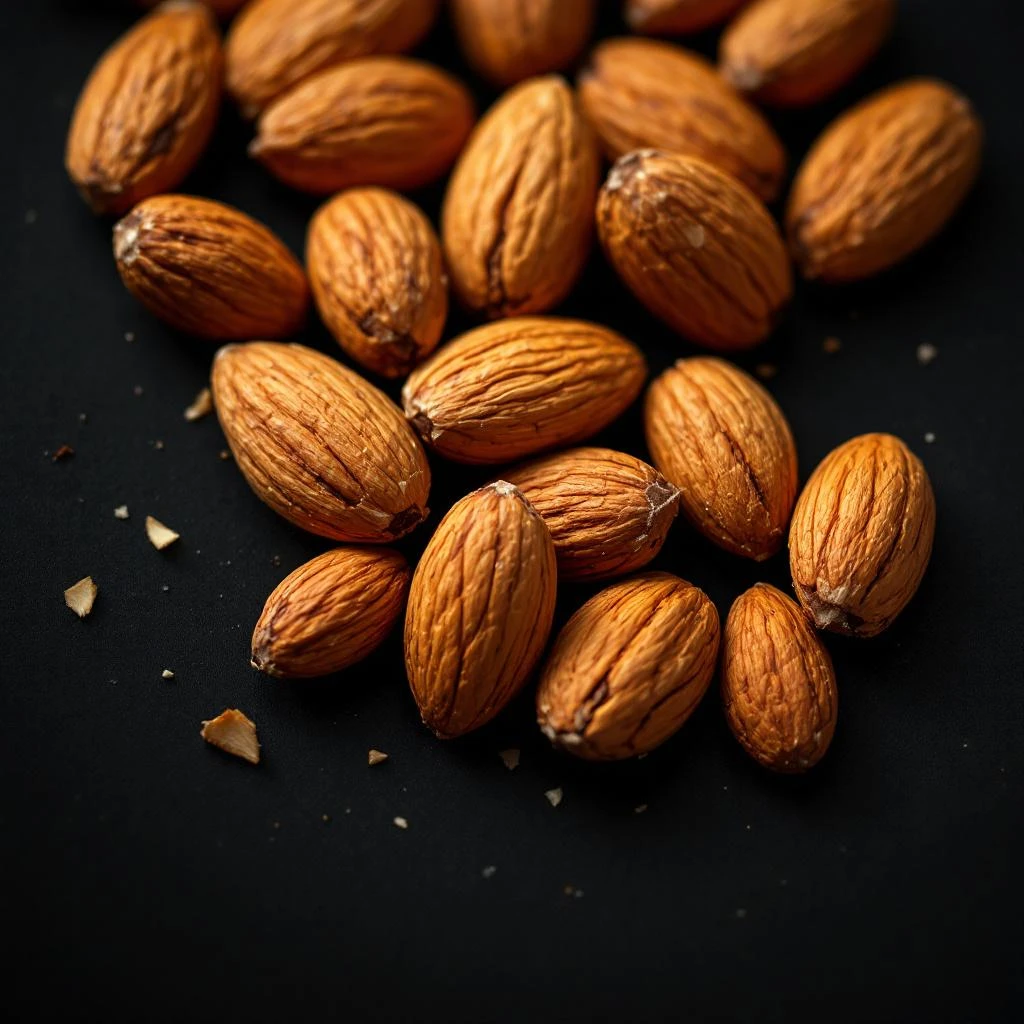
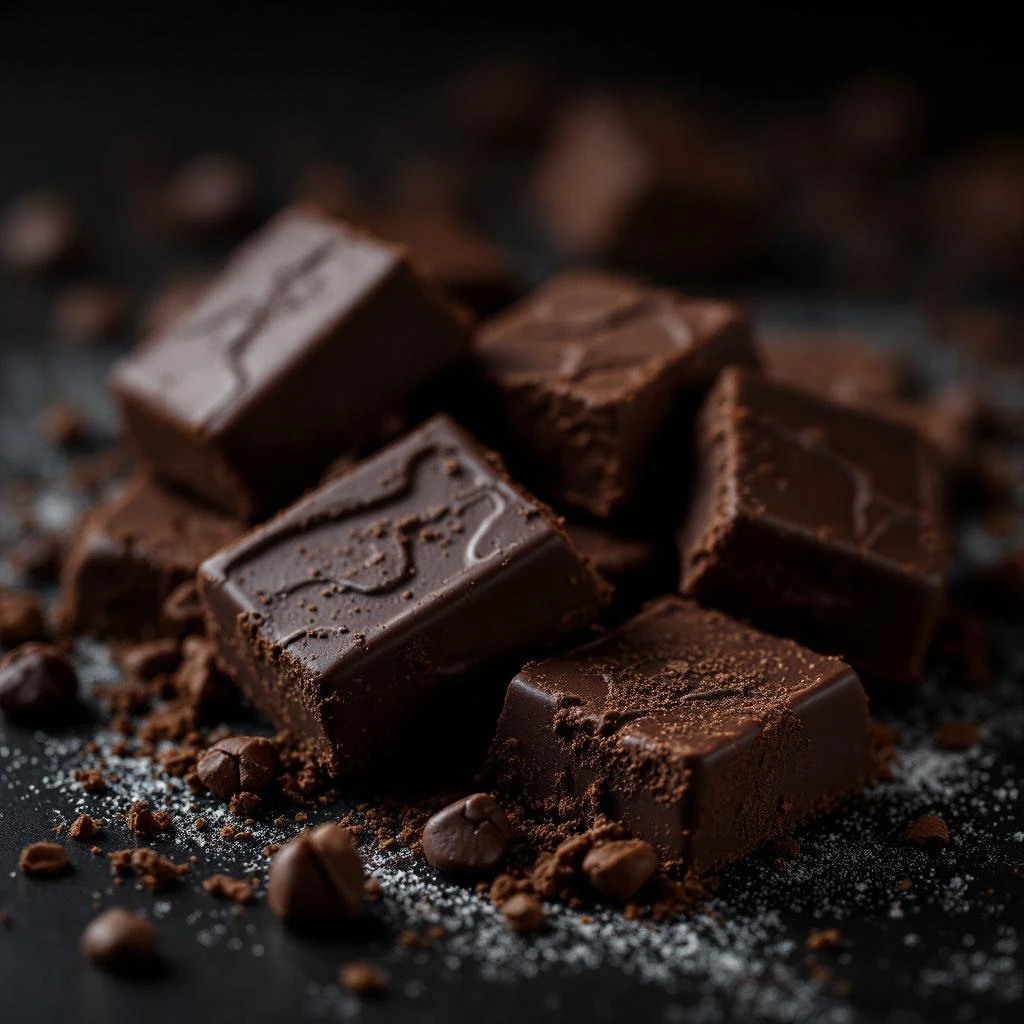
Roasted Pecan brings the deep, buttery warmth of slow-roasted nuts to fragrance, creating an edible richness that feels both indulgent and grounding. This modern perfumery note captures the sensory comfort of autumn kitchens and hearthside gatherings.
Character
How it smells
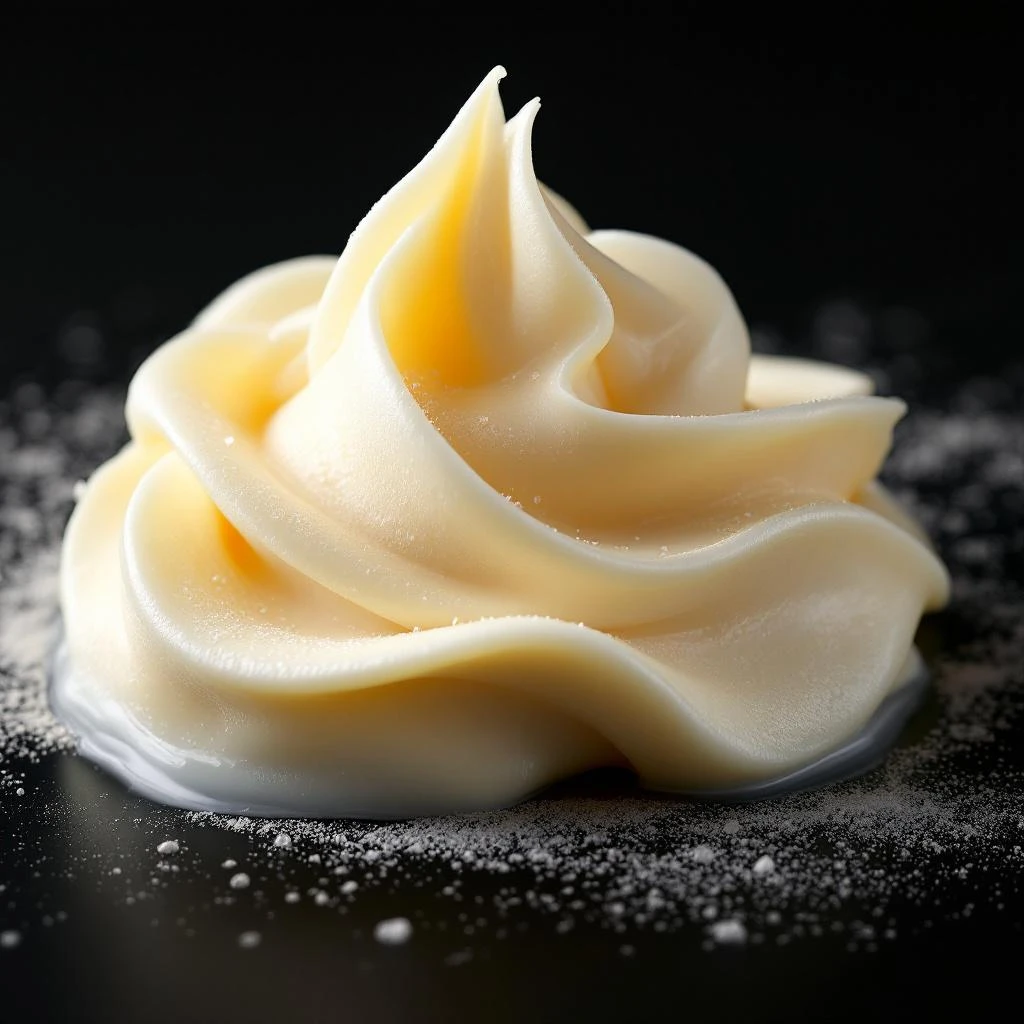
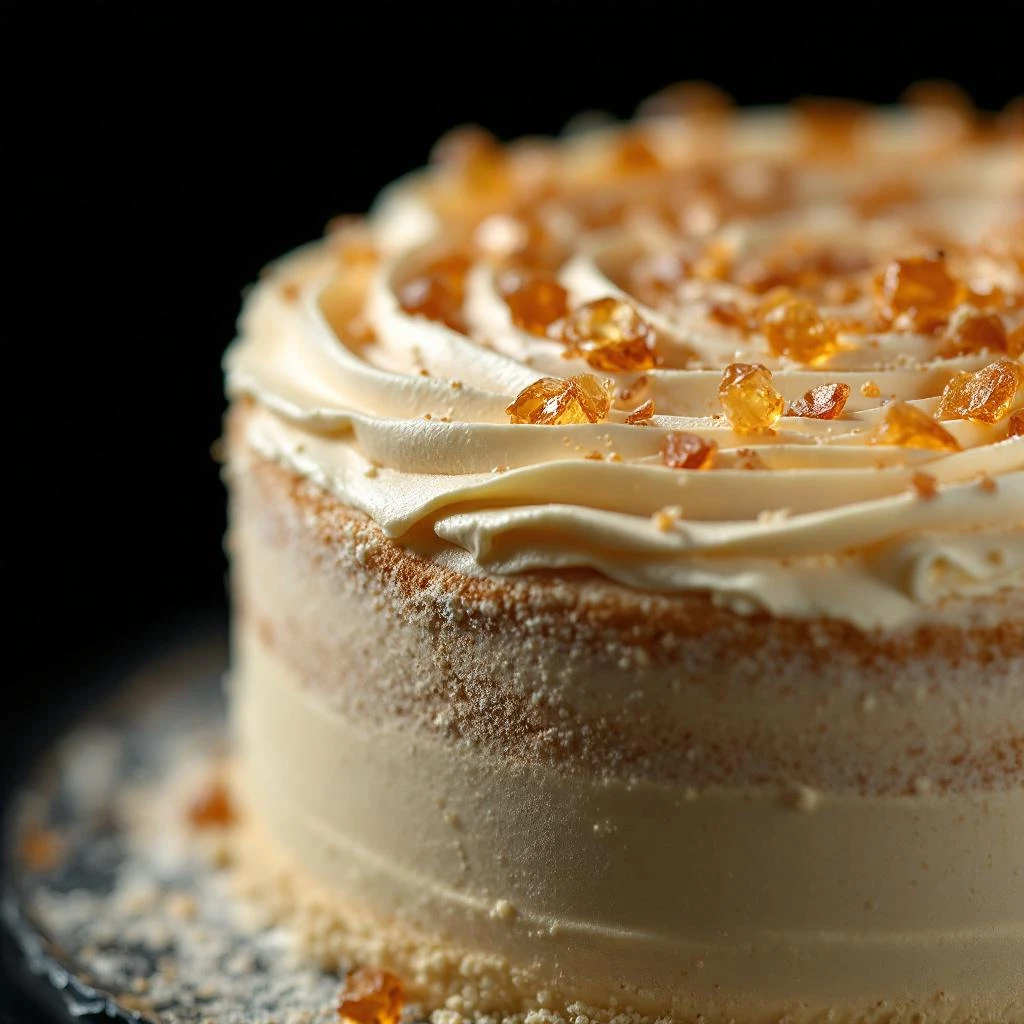
The warm heart of autumn, captured.
The Maillard reaction during roasting creates over 100 volatile compounds, including pyrazines and furanones that give roasted pecans their distinctive aroma.




Origin
United States
Pecans trace their roots to indigenous North American cultures, which valued the nut as both food and trade currency long before European contact. The commercial pecan industry emerged in the late 1800s when American growers established extensive orchards across the southeastern United States and Mississippi Valley. While the nut had been roasted and consumed for millennia, perfumers only recently adopted pecan extracts as a fragrance ingredient.
The late 20th and early 21st centuries saw a surge in 'edible' or 'gourmand' fragrance aesthetics, driving interest in nut-derived aroma materials. Today, Roasted Pecan represents a bridge between American agricultural heritage and contemporary perfumery's appetite for warm, consumable-smelling compositions.
Wears it best
Fragrances featuring Roasted Pecan
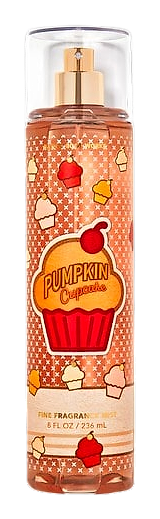
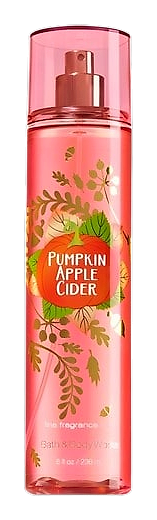
Brands
Brands known for Roasted Pecan
Good to know
Questions, answered
The essentials on Roasted Pecan in perfumery: how it smells, where it comes from, and how it behaves on skin.
What is Roasted Pecan in perfumery?
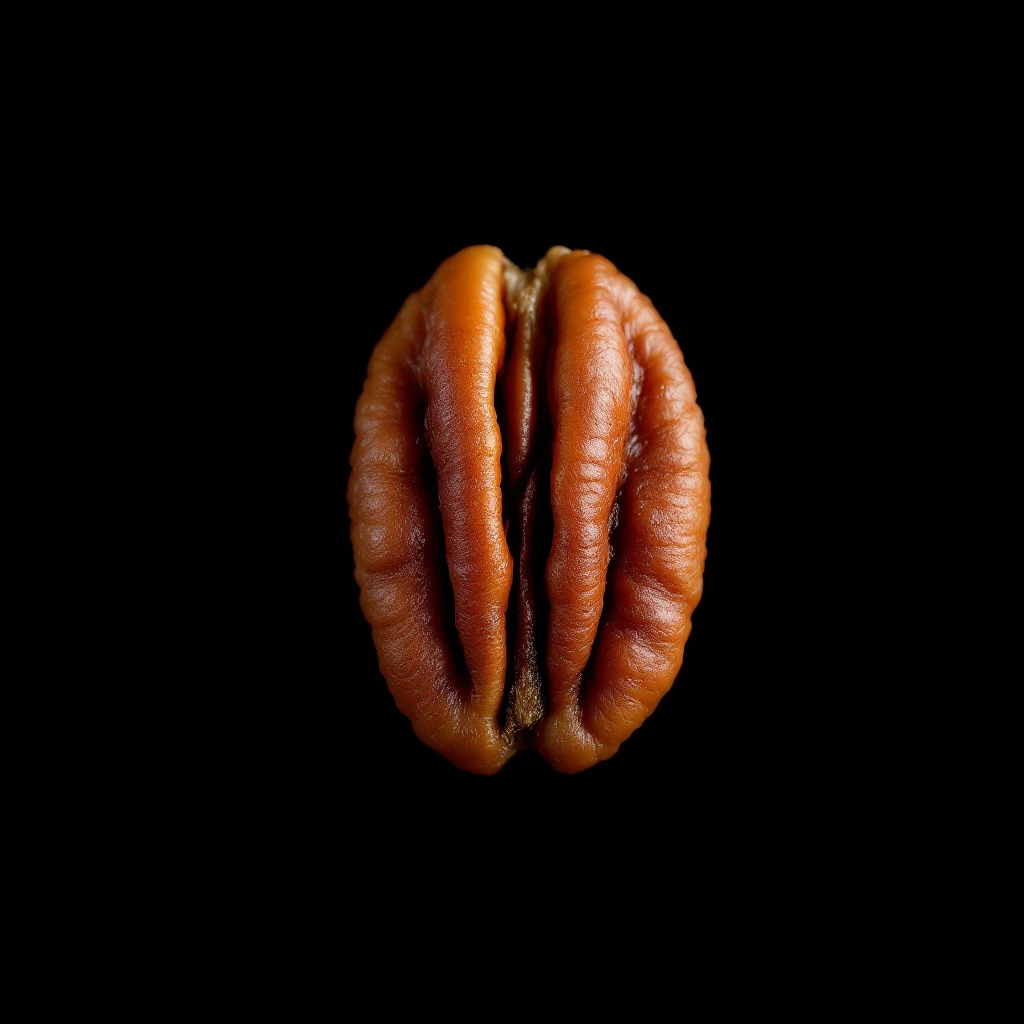
Roasted Pecan is a fragrance note derived from roasted pecan nuts, capturing their warm, buttery, and slightly sweet aroma. It creates an edible, comforting quality in perfumes and works particularly well in gourmand and oriental compositions.
How do perfumers create the Roasted Pecan note?
Roasted Pecan is produced by extracting aroma compounds from pecans that have been roasted to trigger the Maillard reaction. Extractors use solvent or CO2 extraction methods, often supplementing with synthetic compounds like furaneol to reinforce the characteristic scent.
What does Roasted Pecan smell like?
Roasted Pecan smells like warm, buttery nuts with toasted, slightly sweet undertones and a hint of caramel. The scent evokes fresh-roasted nuts with a rich, edible quality that feels cozy and indulgent.
Is Roasted Pecan a natural or synthetic ingredient?
Roasted Pecan can be both natural and synthetic. Natural extracts come from roasted pecan nuts using solvent or CO2 extraction, while synthetic versions replicate the key aroma molecules. Most perfumers use a combination of both approaches for consistency and depth.
What fragrance families pair well with Roasted Pecan?
Roasted Pecan pairs excellently with gourmand notes like vanilla, caramel, and chocolate. It also complements woody accords such as sandalwood and cedar, as well as oriental ingredients like benzoin and labdanum for warm, resinous compositions.
Which aroma compounds create Roasted Pecan's scent?
Pyrazines and furanones form the backbone of Roasted Pecan's aroma. These compounds develop naturally during the Maillard reaction when pecans are heated, producing the distinctive toasted, nutty, and slightly sweet scent profile.
How long does Roasted Pecan last in a fragrance?
Roasted Pecan typically performs as a heart-to-base note, lasting 4 to 8 hours depending on concentration and companion ingredients. Fixatives like benzoin or woody notes help extend its presence in the dry-down.
Where do pecans used for fragrance come from?
The majority of pecan production comes from the United States, particularly Georgia, Texas, and New Mexico. Pecans are native to North America, specifically the Mississippi Valley and southeastern regions, making American-grown nuts the primary source for fragrance extraction.