Roasted oak
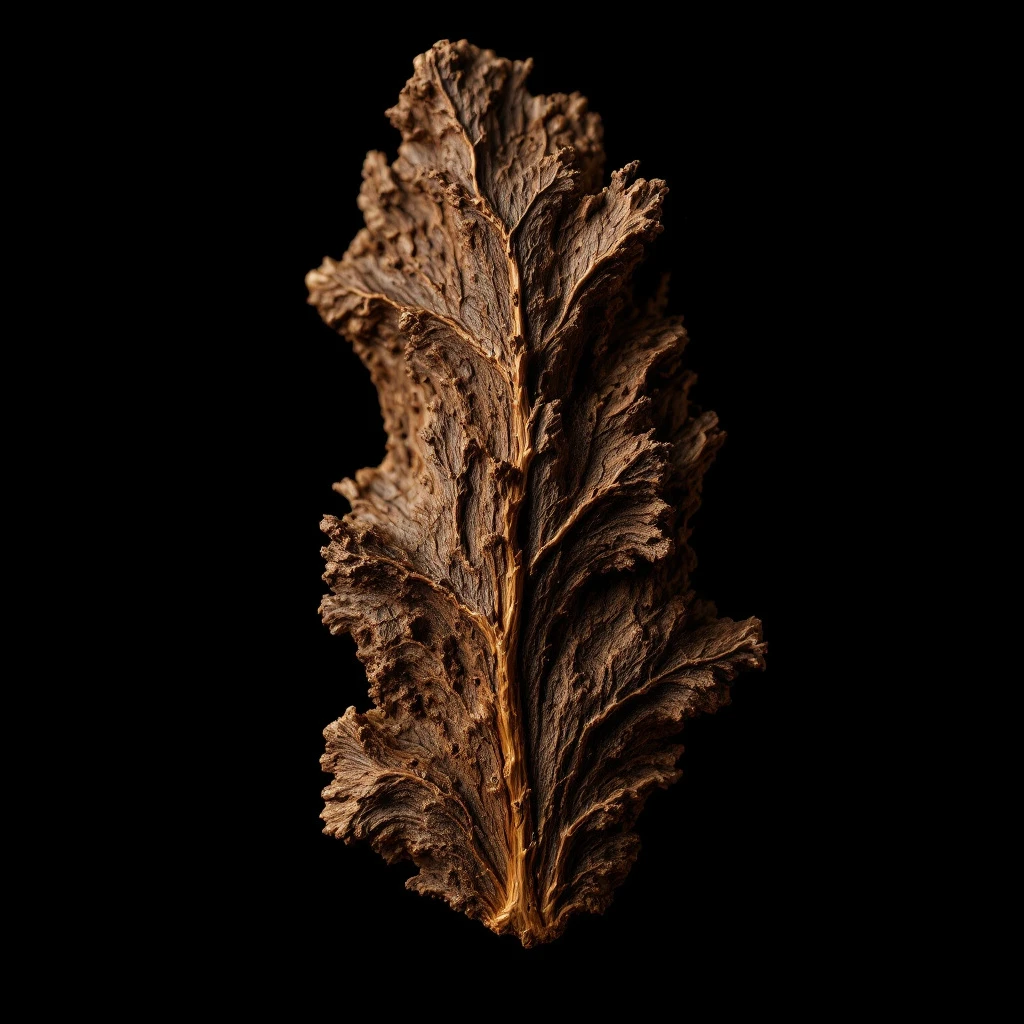
Standing beside a campfire on a crisp autumn evening captures what roasted oak delivers - warm wood smoke intertwined with vanilla and caramel. This enveloping base note bridges nature and craftsmanship, prized for lending depth and smoky warmth to modern fragrances.
Character
How it smells
Warm wood smoke with vanilla and caramel, a sophisticated base note.
Oak barrels for bourbon must be new by law, and once retired, these heavily charred casks become the raw material for roasted oak fragrance ingredients—converting spirits industry waste into liquid luxury.




Origin
United States
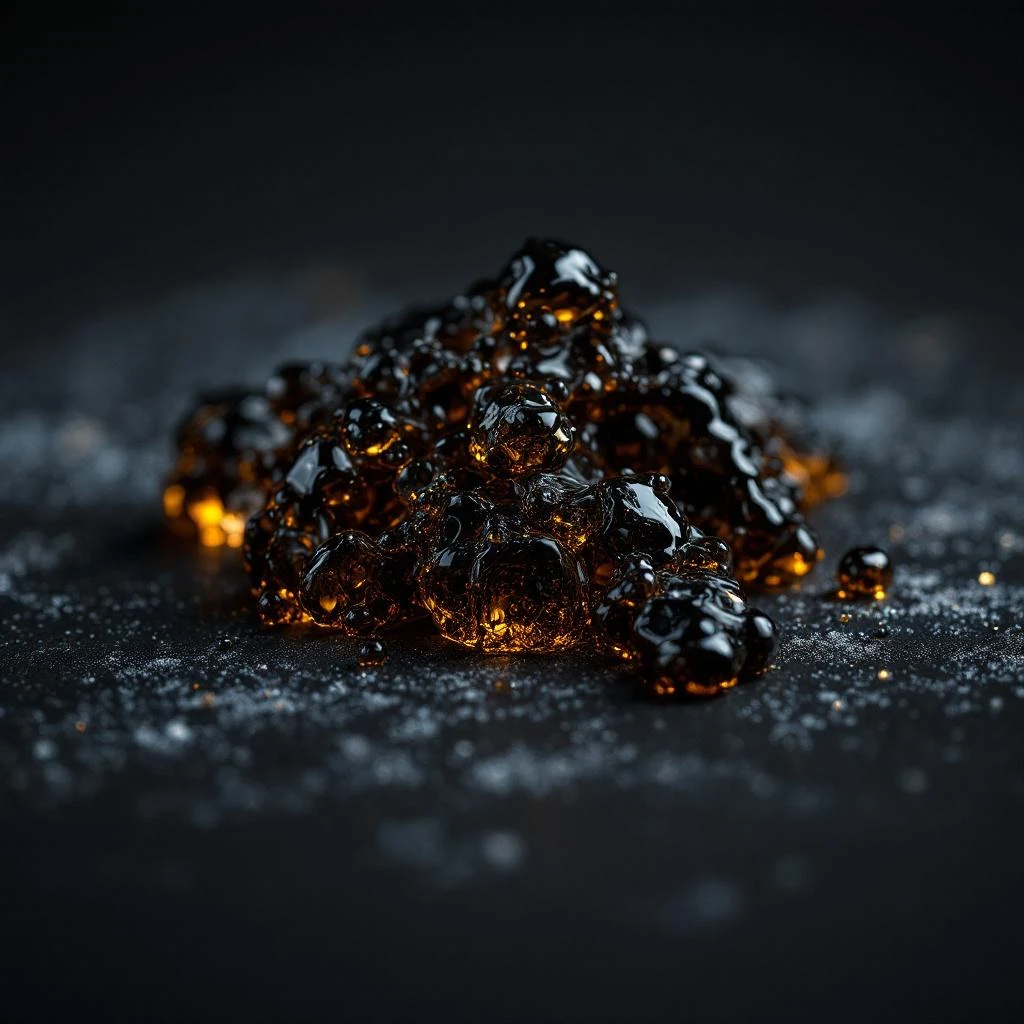
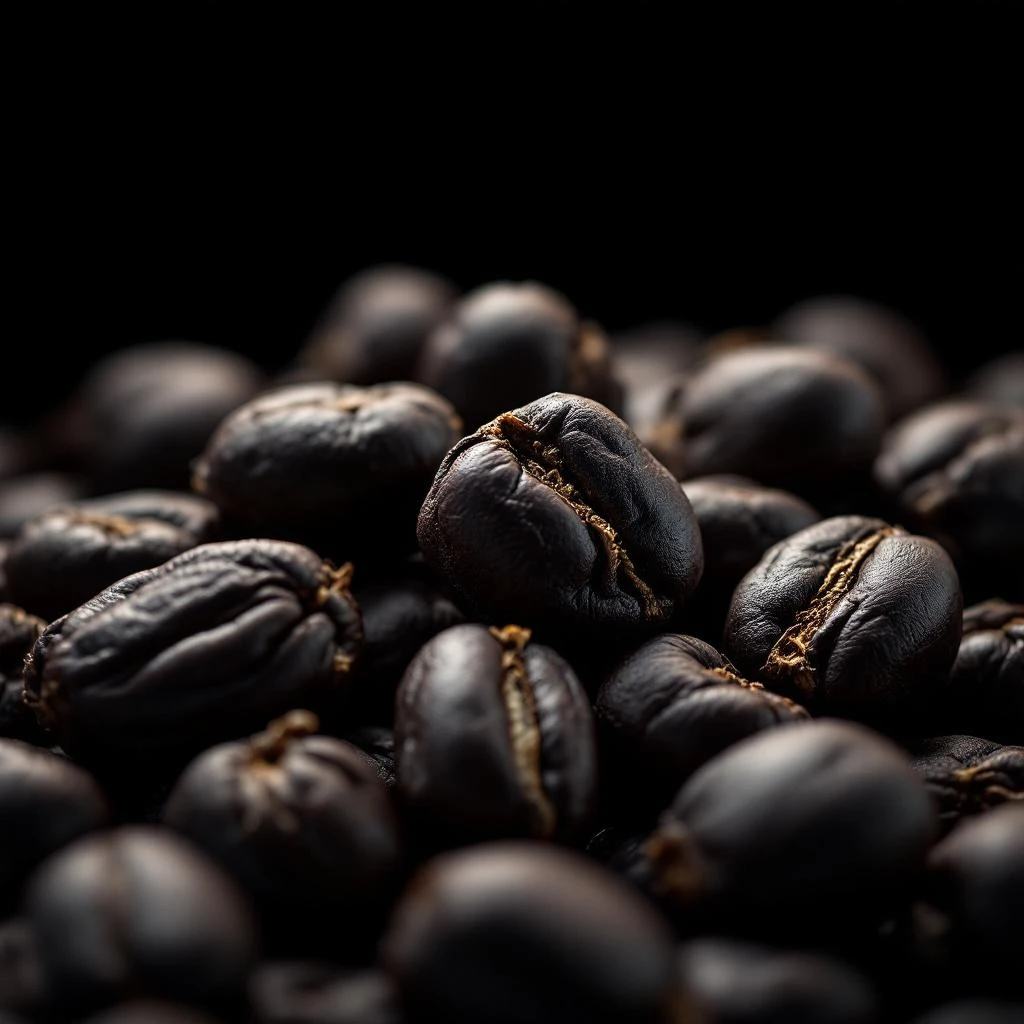
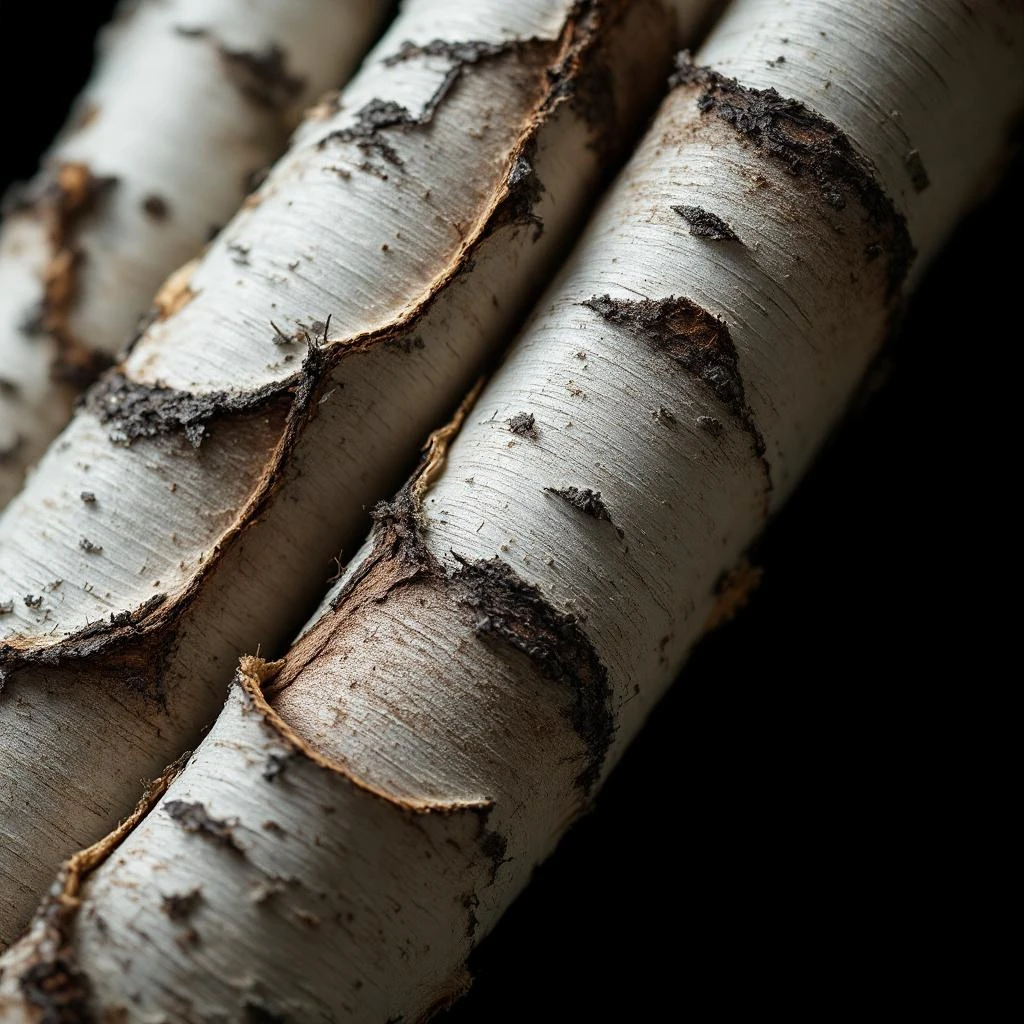
Oak wood has served storage vessels since ancient civilizations, though perfumers only began embracing its aromatic potential in the twentieth century. French coopers traditionally toasted barrel interiors for winemaking, discovering that light versus heavy toasting produced dramatically different flavor profiles in aged spirits.
Perfumers took noticed of these same principles, recognizing parallel applications in fragrance composition. The spirits industry inadvertently created the first sustainable supply chain for fragrance-grade roasted oak when bourbon production by law required new barrels for every batch, retiring thousands of deeply charred American white oak casks annually.
These exhausted barrels, already carrying years of caramelized complexity from whiskey interaction, became the primary raw material source for roasted oak ingredients around the 1970s. Today, sustainable sourcing increasingly favors purpose-roasted fresh oak wood overcasks, reducing dependence on spirits industry byproducts while maintaining consistent quality.
Wears it best
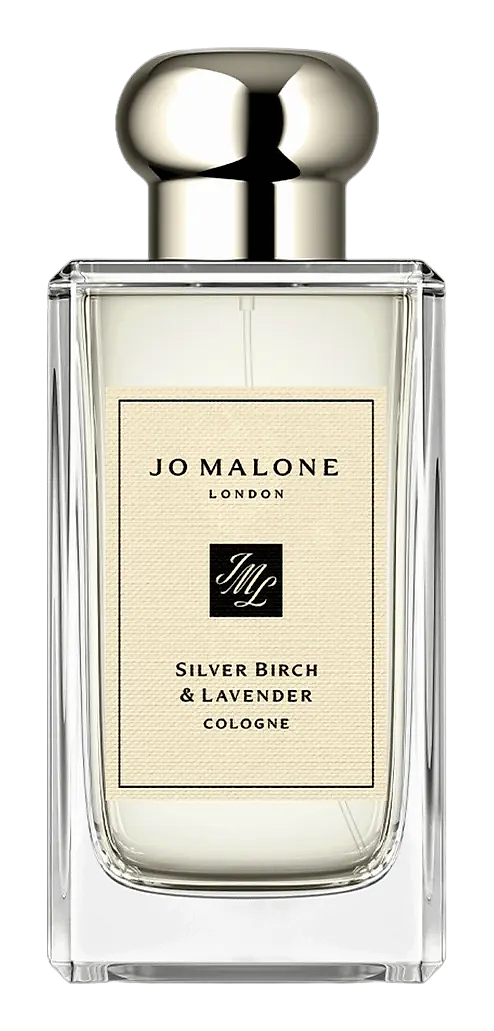
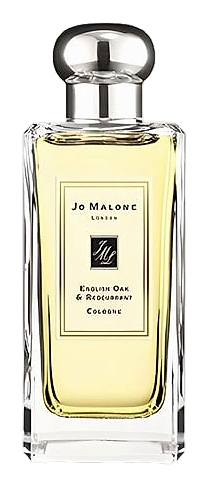
Fragrances featuring Roasted oak
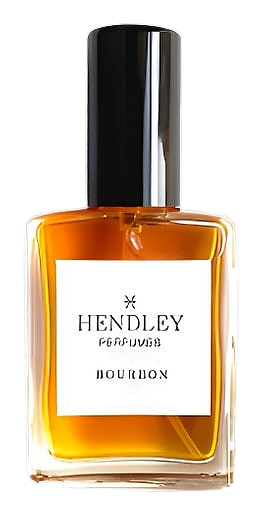
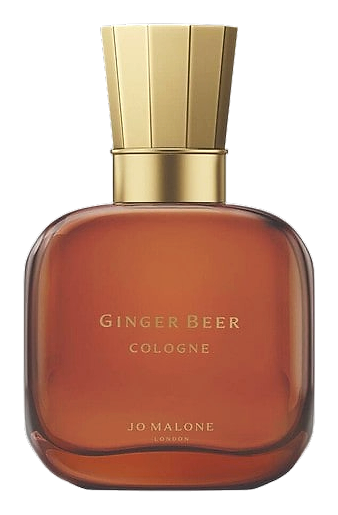
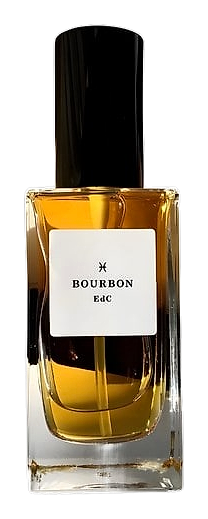
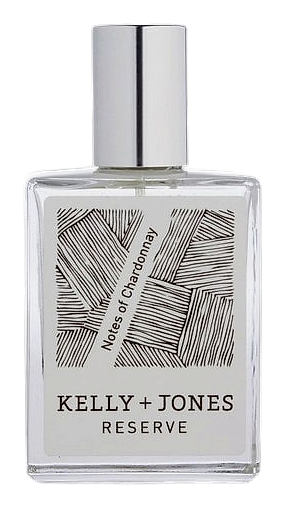

Brands
Brands known for Roasted oak
Good to know
Questions, answered
The essentials on Roasted oak in perfumery: how it smells, where it comes from, and how it behaves on skin.
What does roasted oak smell like in perfumery?
Roasted oak delivers warm, smoky depth with sweet vanilla undertones. Guaiacol provides the characteristic campfire-smoke character, while vanillin contributes creamy sweetness and furfural adds nutty warmth. As a base note, it creates an enveloping backdrop that extends fragrance longevity.
When did roasted oak first appear in perfume?
Roasted oak entered perfumery during the mid-twentieth century, following wider adoption of wood bases in fragrance creation. The ingredient gained prominence in the 1970s when American bourbon barrel recycling created a readily available supply chain for fragrance manufacturers seeking warm, smoky wood effects.
Where does most roasted oak material originate?
American white oak from the United States and French oak from Europe serve as primary sources. American white oak offers stronger vanillin content and deeper smoky character, while French oak provides subtler, more restrained woodiness with elegant spice notes.
Is roasted oak a natural or synthetic ingredient?
Roasted oak exists as both natural and synthetic options. Natural roasted oak comes from careful pyrolysis of oak wood through solvent extraction. Synthetic alternatives reproduce key aromatics like vanillin and guaiacol. Most premium fragrances specify natural roasted oak for greater complexity and depth.
Which oak wood species are used for roasting in perfumery?
Quercus alba (American white oak) and Quercus robur (European oak) dominate production. American white oak contains higher lignin levels, generating more vanillin during roasting. European oak contributes subtler spice compounds. Species selection significantly impacts the final aromatic profile.
How does roasting level affect the oak aroma character?
Light toasting (160-180C) emphasizes fresh wood, coconut, and mild vanilla. Medium toasting (180-200C) develops richer vanilla, caramel, and subtle smoke. Heavy toasting (200-220C) produces intense smoke, dark chocolate, espresso, and burnt sugar notes. Perfumery traditionally favors medium-heavy profiles for balanced burnt sugar and smoke effects.
How long does roasted oak last in fragrance composition?
As a base note, roasted oak contributes to fragrance heart and drydown phases for 4 to 8 hours on skin. Its molecular weight provides good fixative properties, helping lighter top notes remain perceptible longer. Blending ratios typically range from 0.5 to 5 percent depending on desired intensity.
What fragrance families most commonly use roasted oak?
Woody, oriental, and chypre families embrace roasted oak most frequently. It appears in masculine fragrances as a masculinity anchor, in unisex compositions for smoked warmth, and occasionally in feminine perfumes seeking unexpected edge. Its versatility spans fresh woody interpretations to dense, resinous oriental constructions.