Resinous Wood
Deep within the Aquilaria tree, a fungal infection transforms ordinary heartwood into one of perfumery's most coveted materials. Resinous wood carries millennia of ritual and reverence.
Character
How it smells
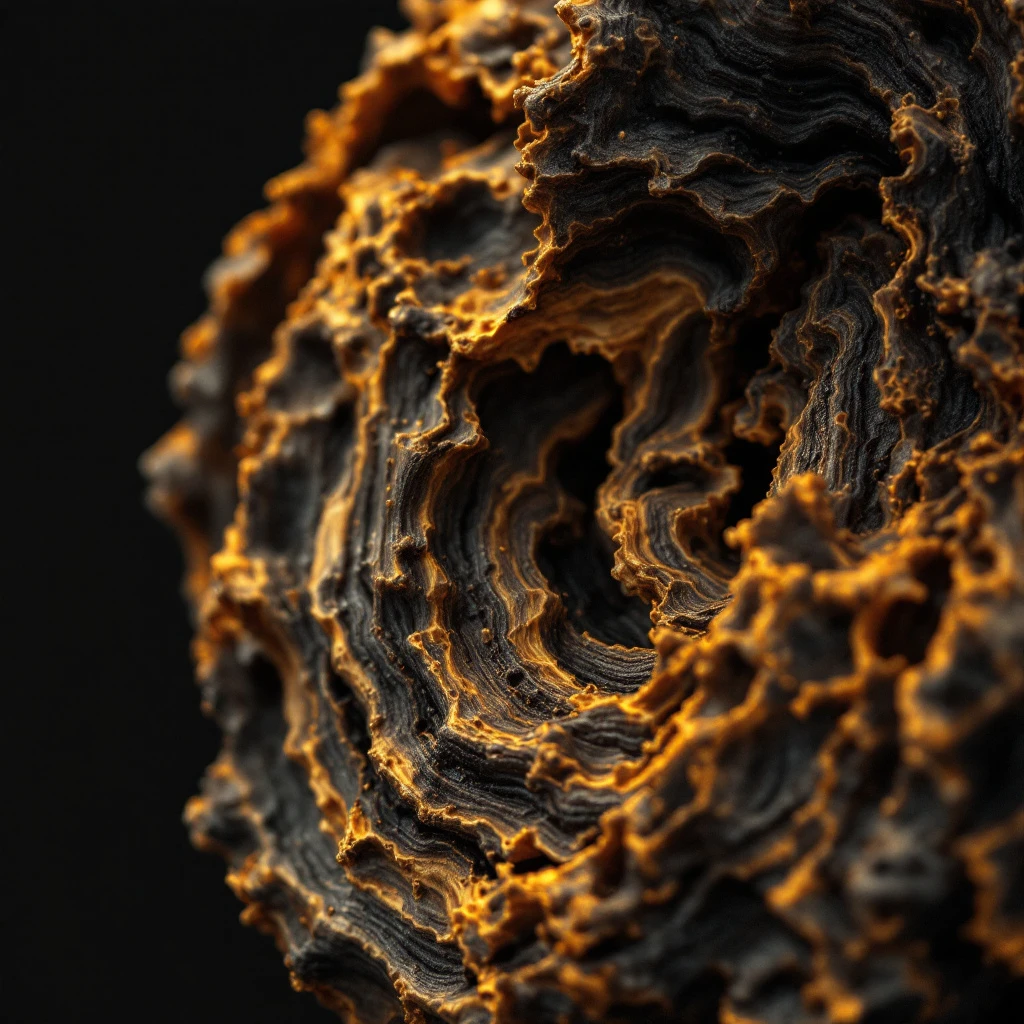
Ancient resin, liquid gold.
Fewer than 2% of wild Aquilaria trees naturally develop oud. One infected tree yields this treasure while hundreds remain silent.



Origin
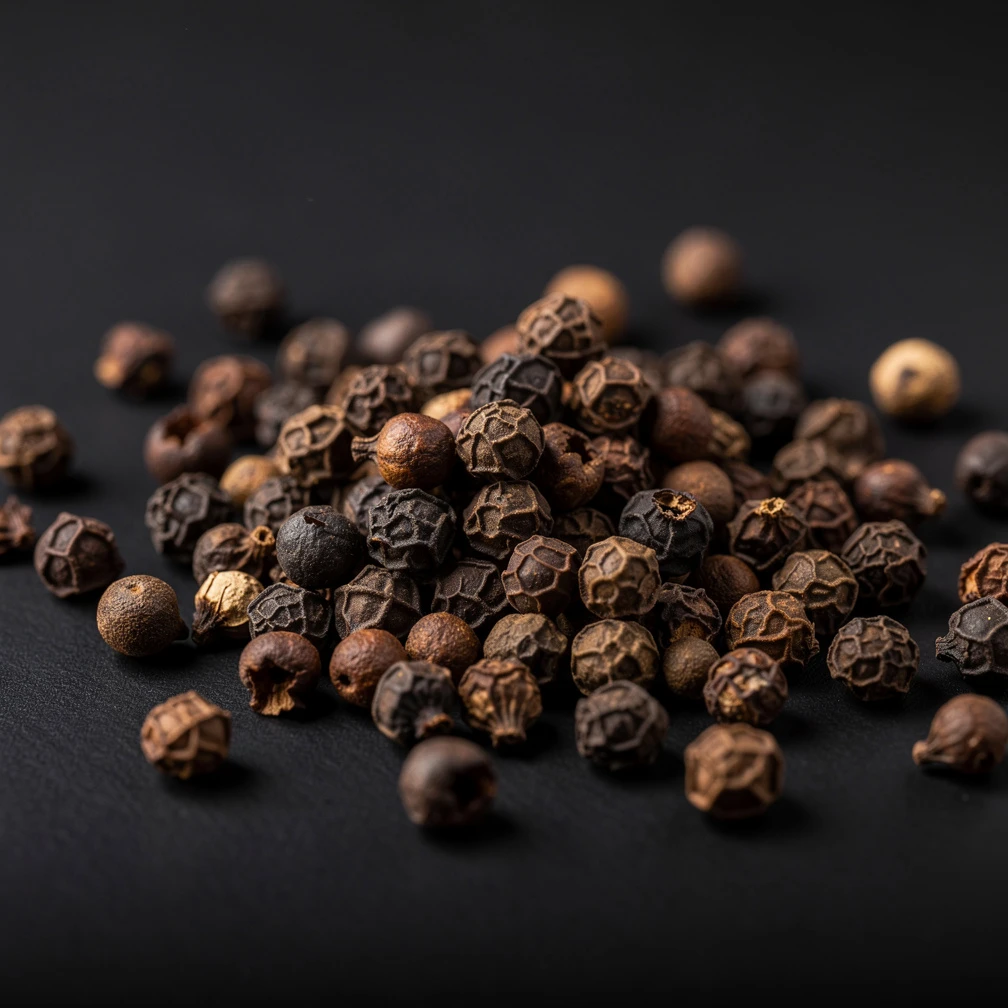
India
Ancient texts from the pre-Islamic era mention agarwood burning in royal incense ceremonies. Middle Eastern scholars documented oud use in medicine and perfumery, trading it along desert routes connecting Asia to the Mediterranean.
In Southeast Asian kingdoms, oud marked sacred moments. Buddhist monks in Vietnam and Cambodia used it in ritual offerings. Arabian physicians prescribed it for digestive ailments and fever. By the medieval period, oud had become a standard in Ottoman imperial harems.
The material carries spiritual weight across cultures. Quranic traditions reference sandalwood and agarwood in Paradise. Moroccan hammams traditionally used oud for purification rituals. Japanese tea ceremonies once featured agarwood incense as a contemplative tool.
European traders arrived late to oud commerce, missing centuries when Arabian and Indian merchants controlled the routes. Today, Bahraini and Saudi Arabian distilleries still produce traditional oud oil, blending ancient technique with modern sustainability standards.
Wears it best
Fragrances featuring Resinous Wood
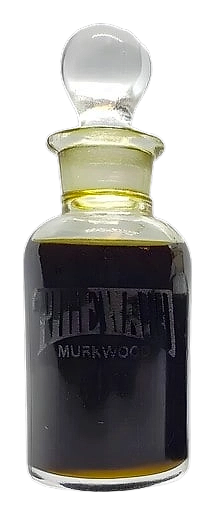
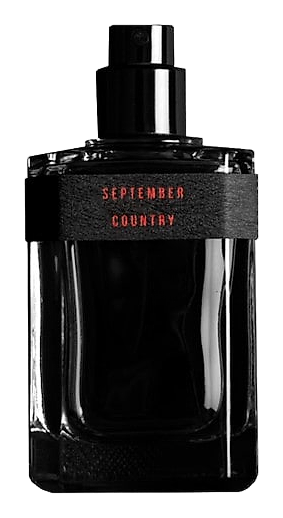
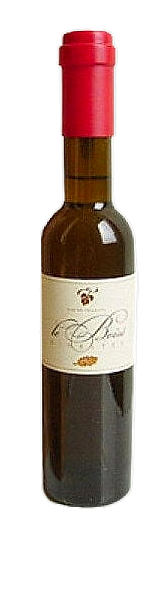
Brands
Brands known for Resinous Wood
Good to know
Questions, answered
The essentials on Resinous Wood in perfumery: how it smells, where it comes from, and how it behaves on skin.
What makes oud different from other wood notes in perfumery?
Oud comes from resin-infected heartwood rather than healthy wood. The infection creates hundreds of aromatic compounds absent in ordinary timber. While cedar or sandalwood smell clean and woody, oud presents animalic depth with smoky, balsamic complexity.
Why does natural oud command such high prices?
Wild oud requires decades to form inside a living tree. Only a small percentage of Aquilaria trees naturally produce it. Illegal overharvesting has depleted wild populations across Southeast Asia, driving prices to several thousand dollars per kilogram.
What aroma does oud deliver in a fragrance composition?
Oud opens with rich, animalic warmth and balsamic sweetness. Depending on origin and age, it reveals notes of tobacco, leather, dark fruit, or incense. Base notes often show smoky depth with woody warmth persisting through drydown.
How do perfumers compensate for natural oud scarcity?
Several strategies exist. Plantation-grown Aquilaria trees deliberately infected with fungi produce oud more rapidly. Aromachemical versions of key oud compounds allow synthetic rebuilding. Many perfumers blend natural oud with other resinous materials like labdanum or benzoin.
Which fragrance families pair well with oud?
Oud defines the oriental family. Perfumers combine it with rose and saffron for Arabic-style compositions, with leather and tobacco for darker interpretations, or with citrus and marine notes for contemporary Western market formats.
What role did oud play in ancient incense traditions?
Agarwood accompanied Buddhist monks in meditation rituals across Vietnam and Cambodia. Arabian physicians used it medicinally while it perfumed royal courts. Both Middle Eastern and Southeast Asian cultures reserved oud for sacred ceremonies and elite consumption.
Are sustainable oud sources now available?
Plantation cultivation in India, Indonesia, and Vietnam produces oud from deliberately inoculated trees. These operations take five to ten years versus decades in wild-harvested stock. Certified sustainable sources now supply the perfume industry without threatening wild Aquilaria populations.
How long has oud been used in perfumery?
Artifacts and texts document agarwood use dating back four thousand years. Egyptian tomb painters depicted resin trade routes during the New Kingdom period. Medieval Islamic scholars formalized oud oil distillation techniques that remain essentially unchanged today.