The Story
Why it exists.
The beginning
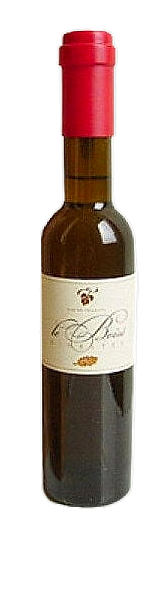
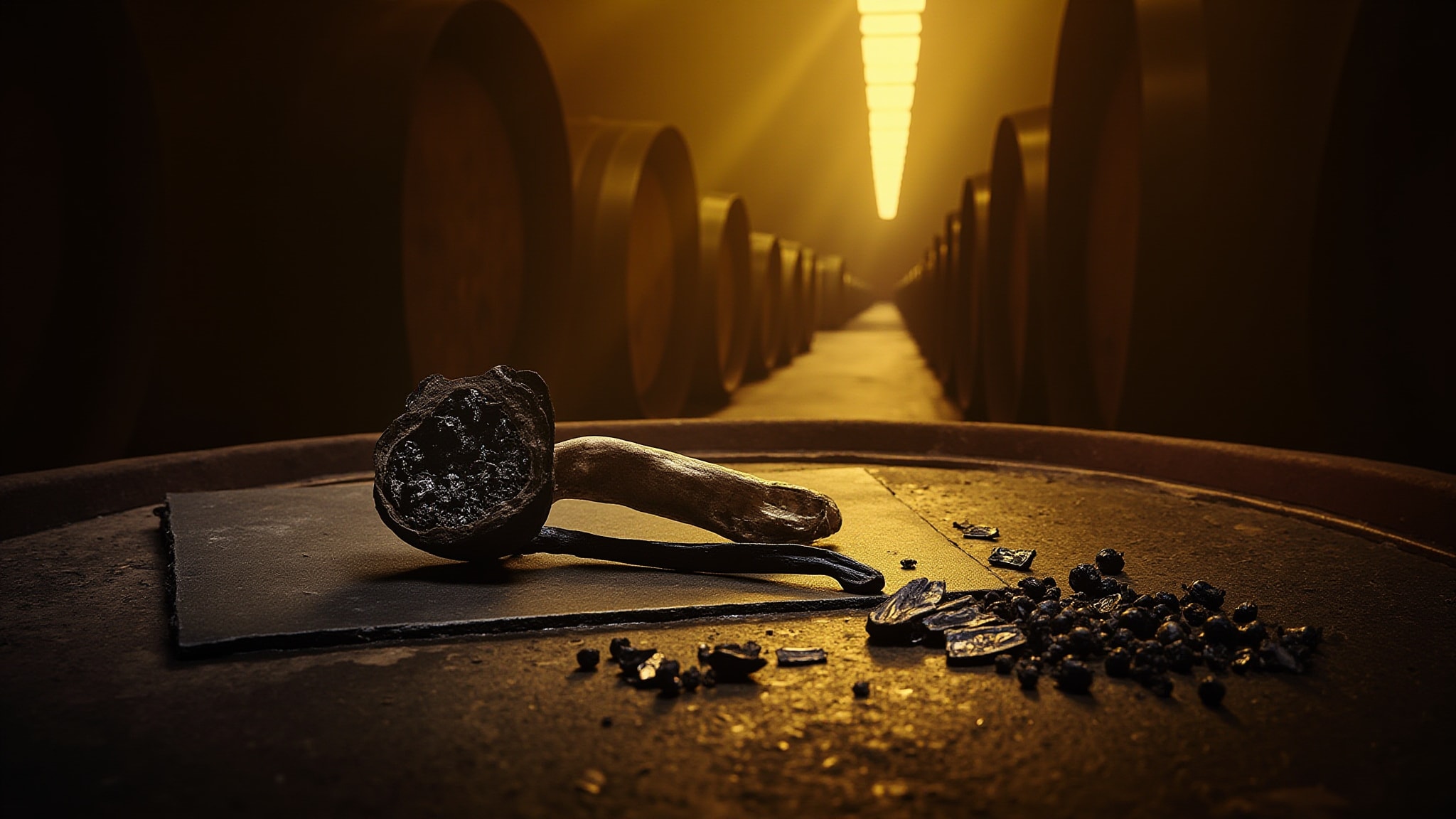
The House of Ginestet built its name translating the sensory language of Bordeaux wine country into scent. Le Boise arrived in 2003 as an olfactory interpretation of what happens inside a château cellar, the toasted oak, the quiet smoke, the vanilla that settles into wood after decades of patience. Not a wine fragrance. A cellar fragrance. The space between the grape and the glass.
What makes Le Boise unusual is how it handles smoke, not as a dramatic gesture, but as a structural element woven through the cedar and oak. The vanilla doesn't compete with the wood; it amplifies it, creating a warm amber undercurrent that recalls bourbon rather than dessert. Black pepper provides the initial brightness, preventing the composition from settling into pure stillness. It's a fragrance that rewards slowing down, the way good wine rewards patience.
The evolution
The opening hits with birch smoke and black pepper, sharp, resinous, almost astringent. Like walking into a cellar still warm from the cooper. Within minutes, the sandalwood arrives, softening everything into cream. The vanilla doesn't announce itself so much as seep in, warming the woods from inside. By hour three, you're left with oak and amber, intimate and close. The smoke never fully disappears. It just learns to whisper.
Cultural impact
Le Boise occupies a quiet corner of French perfumery, a 2003 release that never chased trends. Its smoky, barrel-aged character appealed to those who understood what it was reaching for: not a wine scent, but the space where wine lives. Wearers describe it as the fragrance of someone who walks in without needing to announce themselves.