Red Vanilla Orchid
The seed pods of Vanilla planifolia carry one of nature's most beloved scents: warm, creamy sweetness with powdery, balsamic depth that has defined luxury perfumery for a century.
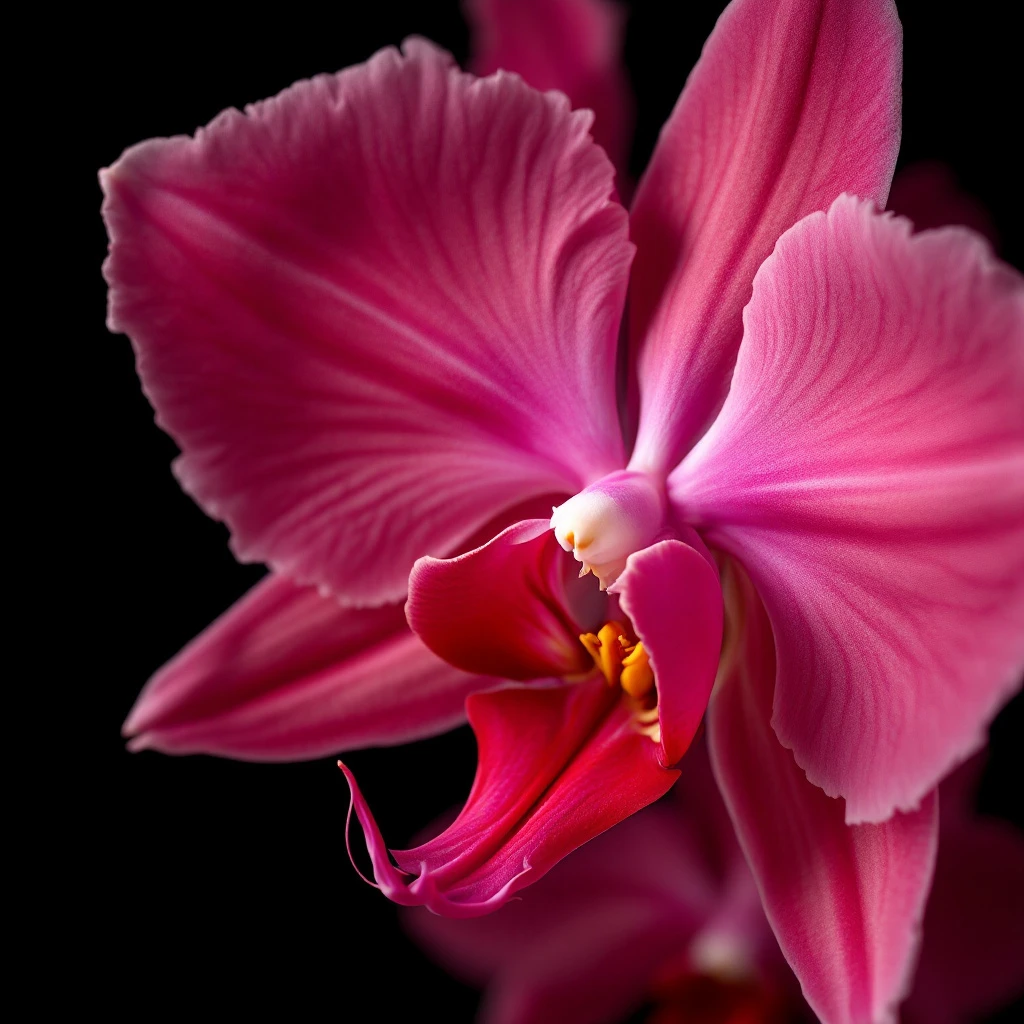
Character
How it smells
Tropical orchid pods turned into liquid warmth.
The vanilla orchid's natural pollinator exists only in Mexico. Every vanilla pod grown elsewhere results from hand-pollination, discovered in 1841 by Edmond Albius.
Pairs beautifully with



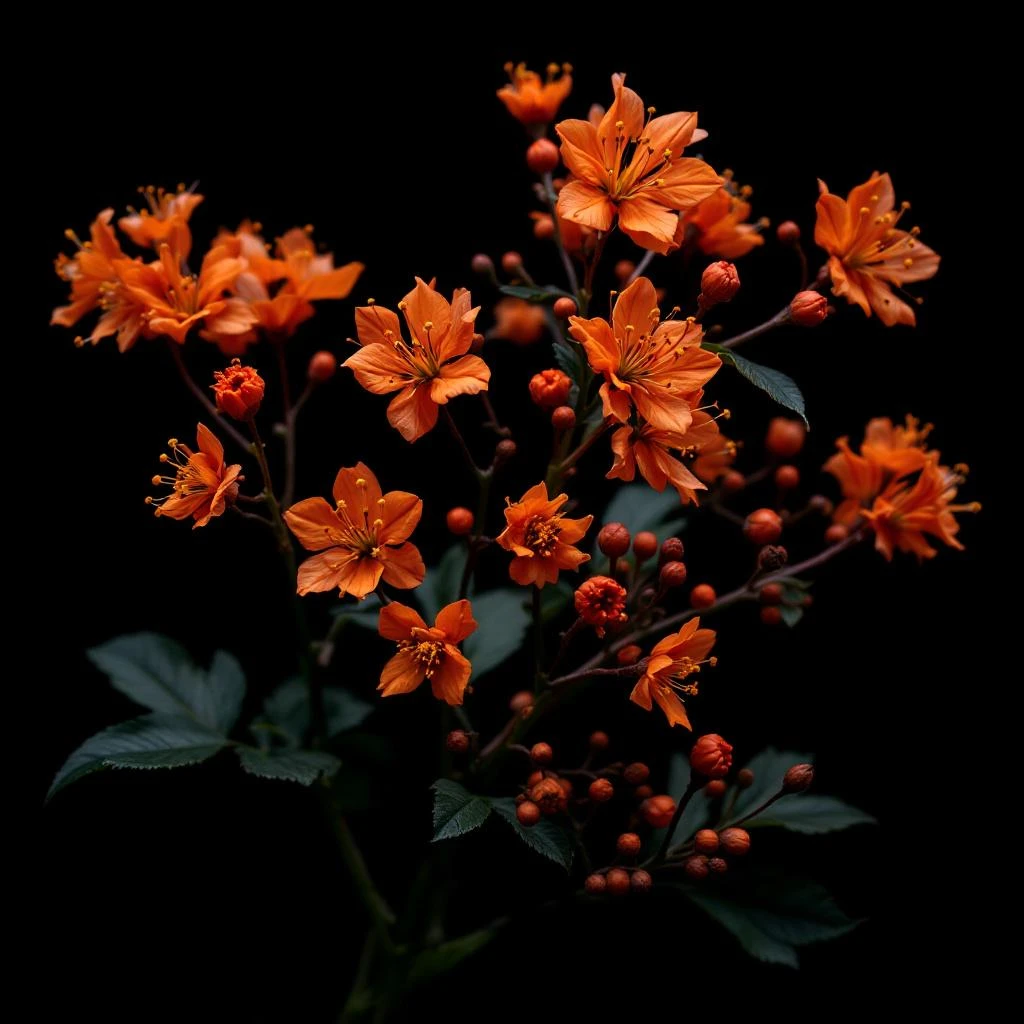
Origin
Mexico
Vanilla traces back to southeastern Mexico, where indigenous peoples first cultivated Vanilla planifolia over a thousand years ago. The Aztecs adopted vanilla as a flavoring for cacao, and Montezuma reportedly flavored his drinking chocolate with vanilla at court.
Spanish colonizers carried vanilla to Europe in the 16th century, where its scarcity made it a luxury. The critical breakthrough came in 1841 on Réunion island, when Edmond Albius, an enslaved worker, devised the precise hand-pollination technique that allowed vanilla to be cultivated outside Mexico.
This discovery enabled global production, with Madagascar becoming the leading supplier. Vanilla absolute first appeared in perfumery in 1921, when Guerlain incorporated it into a formula, replacing artificial vanillin and opening a new dimension of warmth and complexity for perfumers.
Wears it best
Fragrances featuring Red Vanilla Orchid
Good to know
Questions, answered
The essentials on Red Vanilla Orchid in perfumery: how it smells, where it comes from, and how it behaves on skin.
Is vanilla really made from an orchid?
Yes. Vanilla comes from orchids of the genus Vanilla, primarily Vanilla planifolia. Indigenous people in southeastern Mexico first domesticated this orchid over a thousand years ago, using its seed pods as a flavoring and aromatic ingredient long before European contact.
Which country produces the most vanilla for perfumery?
Madagascar supplies roughly 80 percent of the world's vanilla, making it the dominant producer. Indonesia ranks as the second-largest grower. Madagascar vanilla carries a characteristic creamy, coumarin-rich sweetness prized in high-quality fragrance compounds.
What part of the vanilla orchid is used in perfumery?
Perfumers work with cured seed pods, not the flowers. The pods are blanched and slowly dried over several months, then extracted using solvents to produce vanilla absolute. This two-step process generates a viscous, dark brown concentrate with intense, complex aroma requiring dilution.
Why is vanilla absolute more complex than synthetic vanillin?
Natural vanilla absolute contains over 200 aromatic compounds, not just vanillin. This full spectrum creates a nuanced, multi-dimensional scent that synthetic vanillin cannot replicate. The difference becomes obvious when comparing them side by side.
Why is vanilla so expensive as a perfume ingredient?
Every vanilla pod requires individual hand-pollination because natural pollinators do not exist outside vanilla's native Mexico. Each flower must be touched with a small stick within 12 hours of opening. Combined with months of curing, vanilla remains among the most labor-intensive crops on earth, contributing to its high cost.
What does vanilla orchid smell like in fragrance?
Vanilla orchid absolute displays warm, sweet, creamy facets with powdery and balsamic depth. Origin shapes character: Madagascar vanilla runs creamy and rich, Tahitian vanilla leans more floral and fruity, and Mexican vanilla carries darker, smokier undertones.
What does red vanilla orchid mean?
Red describes the rich, deep brown-red color and warm intensity of premium cured vanilla pods. This visual quality often signals extended curing and full flavor development, translating to deeper, more Gourmand-like notes in fragrance.
Where does the word vanilla come from?
Vanilla derives from the Spanish word vaina, meaning pod or sheath, a diminutive form referencing the slender seed pods of the orchid. The name entered European languages following Spanish contact with Aztec use of the ingredient in the 1500s.





