Red Freesia
Red Freesia brings a warmer, more honeyed dimension to the delicate freesia note. This vivid cultivar offers richer, fruitier facets than its pastel cousins, lending perfumers a tool for floral heart notes with unexpected depth and warmth.

Character
How it smells
A bolder, honeyed take on the beloved freesia note.
Freesia petals contain up to 16 different volatile aromatic compounds, which is why replicating its scent in the lab has taken decades of refinement.






Origin
South Africa
The freesia genus traces back to South Africa's Western Cape region, where wild varieties grew among scrubby fynbos vegetation. Danish botanist Christian Ecklon first documented the plant in the early 19th century, naming the genus after German physician Friedrich Heinrich Theodor Freese, his contemporary in botanical circles across Europe.
The warm-climate perennial reached European greenhouses by the 1870s but remained a specialty cut flower for decades. Red and magenta freesia cultivars emerged later through deliberate breeding programs targeting the broader color spectrum available in the wild species Freesia refracta.
As European perfumers began incorporating freesia into compositions during the early 20th century, they quickly discovered the botanical irony: the flower that smelled so intoxicating in a garden was nearly impossible to render into lasting perfume ingredients. This extraction difficulty meant freesia only achieved prominence after synthetic aromachemistry advanced enough to reliably reconstruct its scent profile for commercial use.
Wears it best
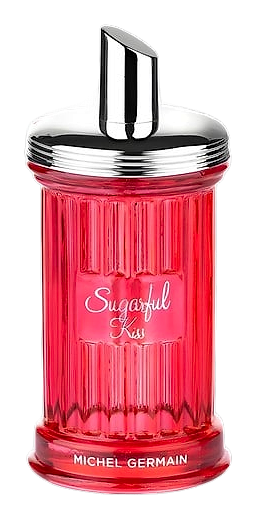
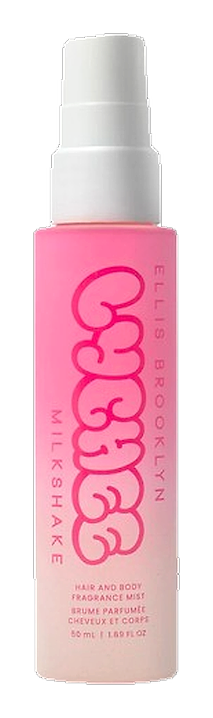
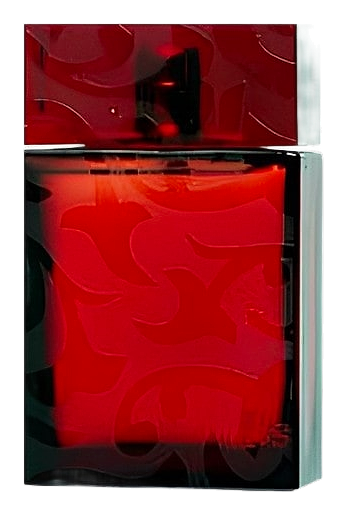
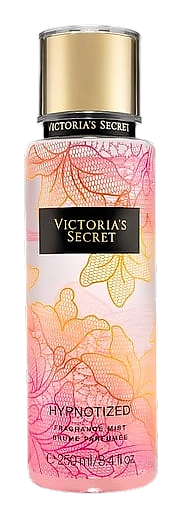
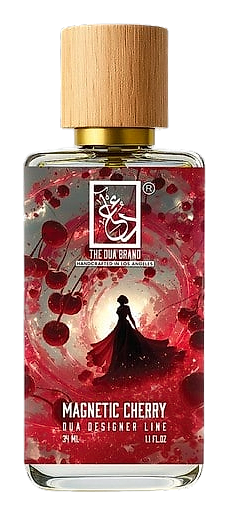
Fragrances featuring Red Freesia



Brands
Brands known for Red Freesia
Good to know
Questions, answered
The essentials on Red Freesia in perfumery: how it smells, where it comes from, and how it behaves on skin.
Is Red Freesia used as a natural or synthetic ingredient in perfume?
Predominantly synthetic. True freesia extraction produces minimal yield because the delicate petals cannot withstand standard distilling temperatures. Modern perfumers recreate the note using aromatic chemicals that match freesia's scent profile.
What does Red Freesia contribute to a fragrance composition?
Red Freesia adds a warm, honeyed floralcy to heart notes. Its fruitier, richer character compared to white freesia makes it ideal for creating depth in modern floriental or fruity floral fragrances.
Why is Red Freesia red versus the typical white or yellow freesia varieties?
Anthocyanin pigments create red and magenta coloring in selective cultivars. Plant breeders developed these varieties from wild Freesia refracta stock to expand the ornamental palette before perfumery applications followed.
Does any major perfume house use natural freesia extract?
Rarely. The yield-to-cost ratio makes natural freesia extract impractical for commercial production. A few artisan houses like Santa Maria Novella market natural-adjacent freesia waters, but true extraction remains uncommon.
How long can freesia blooms last while retaining scent?
Freesia stems maintain their fragrance for 3-5 days after cutting. The volatile compounds begin degrading immediately, which is why growers must process blooms within hours of harvest to capture maximum aromatic content.
What气候 conditions affect freesia's scent quality?
Cool nights and warm days stress the corms into producing more concentrated aromatic compounds. Soil composition also shapes the final scent character, with mineral-rich soils producing brighter, more acidic notes.
Can I grow Red Freesia for perfumery at home?
Yes, you can grow free-standing freesia corms in well-draining soil with full sun. Harvest flowers at dawn and immediately use gentle enfleurage or oil maceration to capture the scent, though yield will remain small.
Which fragrance families pair best with Red Freesia?
Red Freesia works particularly well with rose, peony, and magnolia in feminine florientals. Its warmer character also complements woody bases like sandalwood and cedar without clashing.