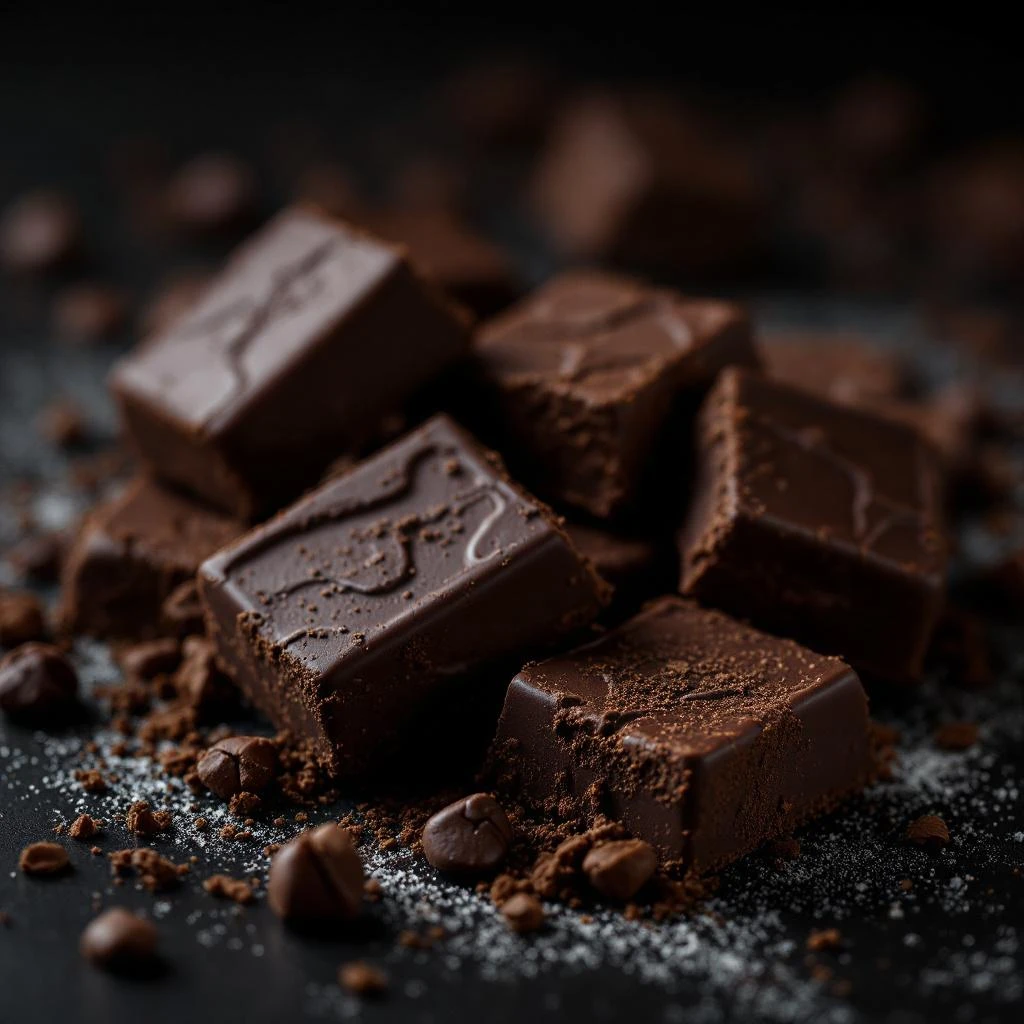
Pumpkin Biscuit
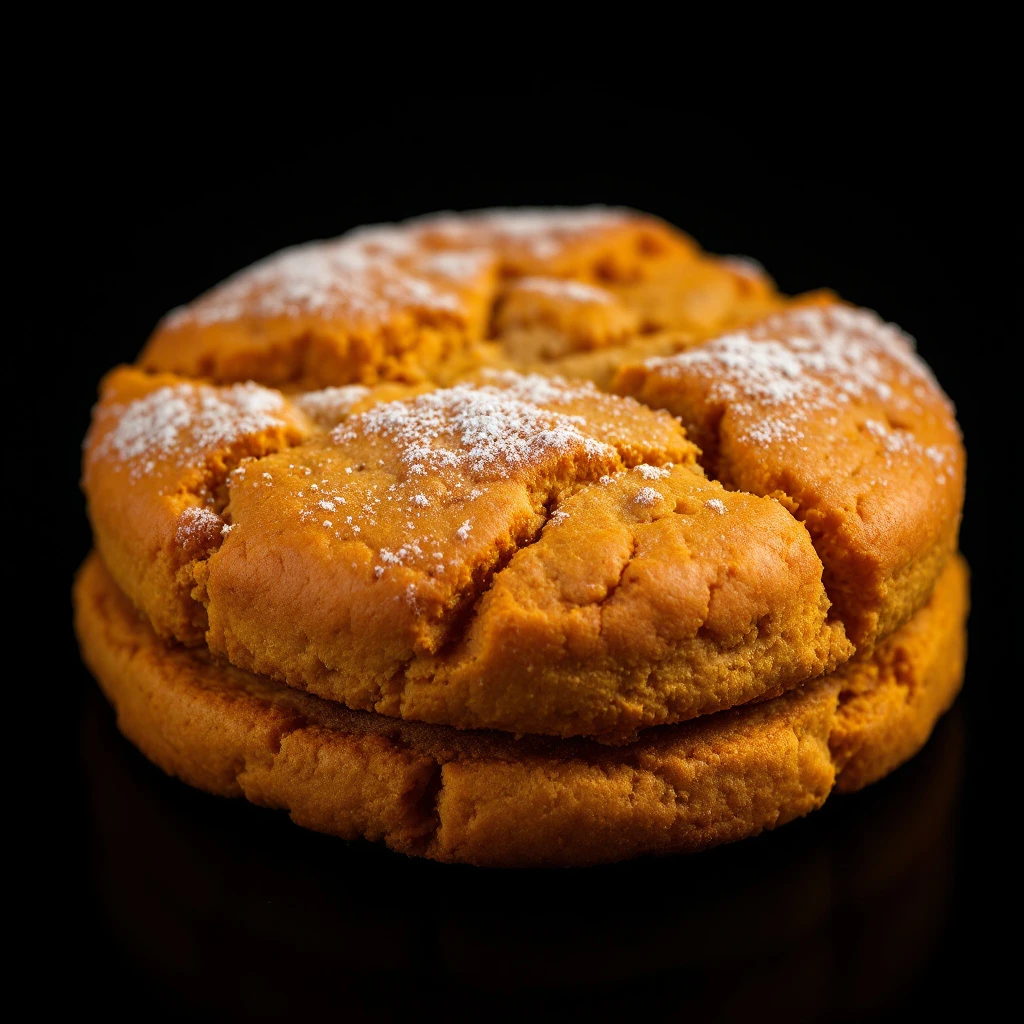
Warm, buttery biscuit laced with spiced pumpkin pulp and a hint of caramelized sugar. A gourmand note built almost entirely in the lab, designed to evoke autumn baking without the perishable shelf life.
Character
How it smells
Spiced warmth baked from molecules
No perfume house has ever distilled true pumpkin biscuit commercially. The note exists only as an accord, built from synthetic vanillin, maltol, and lactone molecules.
Pairs beautifully with

Origin
France
The first recorded use of pumpkin aroma in a perfume dates to 1923, when a French atelier blended a tiny amount of pumpkin seed oil with amber and spice. That early experiment sat largely dormant for decades. Pumpkin as a recognizable gourmand note only entered wider perfumery after the 1990s, when advances in synthetic lactones and maltol derivatives gave perfumers the tools to evoke baked goods without relying on perishable food extracts.
The full Pumpkin Biscuit accord, pairing the vegetal sweetness of pumpkin with buttery shortbread facets, gained traction in the 2010s during a broader resurgence of gourmand fragrances. Today it sits within a family of constructed bakery notes that includes Gingerbread, Pistachio Cream, and Vanilla Cake, all of which owe their existence to the synthetic chemistry that reshaped perfumery from the 19th century onward.
Wears it best
Fragrances featuring Pumpkin Biscuit
Brands
Brands known for Pumpkin Biscuit
Good to know
Questions, answered
The essentials on Pumpkin Biscuit in perfumery: how it smells, where it comes from, and how it behaves on skin.
Is Pumpkin Biscuit a natural fragrance ingredient?
No. Pumpkin Biscuit is a synthetic accord built from aroma chemicals such as vanillin, maltol, and lactones. Natural pumpkin seed extract sometimes appears as a minor supporting note, but the recognizable biscuit character comes entirely from laboratory synthesis.
What does Pumpkin Biscuit smell like in perfume?
It smells warm, buttery, and lightly spiced, with notes of toasted shortbread, caramelized sugar, and soft pumpkin pulp. The accord balances bakery sweetness against a faint nutty undertone.
When was pumpkin first used in perfumery?
The earliest documented use of pumpkin in a perfume formula dates to 1923 in a French composition combining pumpkin seed oil with amber and spice accords.
Which synthetic molecules create the Pumpkin Biscuit note?
Vanillin and ethyl vanillin provide sugary warmth, maltol adds caramelized depth, gamma-decalactone contribute the buttery shortbread character, and trace cinnamal supplies bakery spice.
Is Pumpkin Biscuit used in fine perfumery or only body products?
It appears across both categories. Niche and designer fine fragrances use it in autumnal and gourmand compositions, while body mists, candles, and lotions rely on it heavily for seasonal launches.
Why is Pumpkin Biscuit popular in fall fragrances?
Its warm, baked character pairs naturally with cinnamon, clove, and amber notes that dominate autumn fragrance trends. The accord reinforces seasonal associations with comfort food and cooler weather.
Does Pumpkin Biscuit contain allergens?
Like most fragrance accords, it can contain regulated allergens such as cinnamal and eugenol depending on formulation. Finished products must declare these on packaging per IFRA guidelines.
Can perfumers make Pumpkin Biscuit without any natural ingredients?
Yes. The accord is reproducible using only synthetic aroma chemicals, which is why it became commercially viable at scale without dependence on seasonal crops.