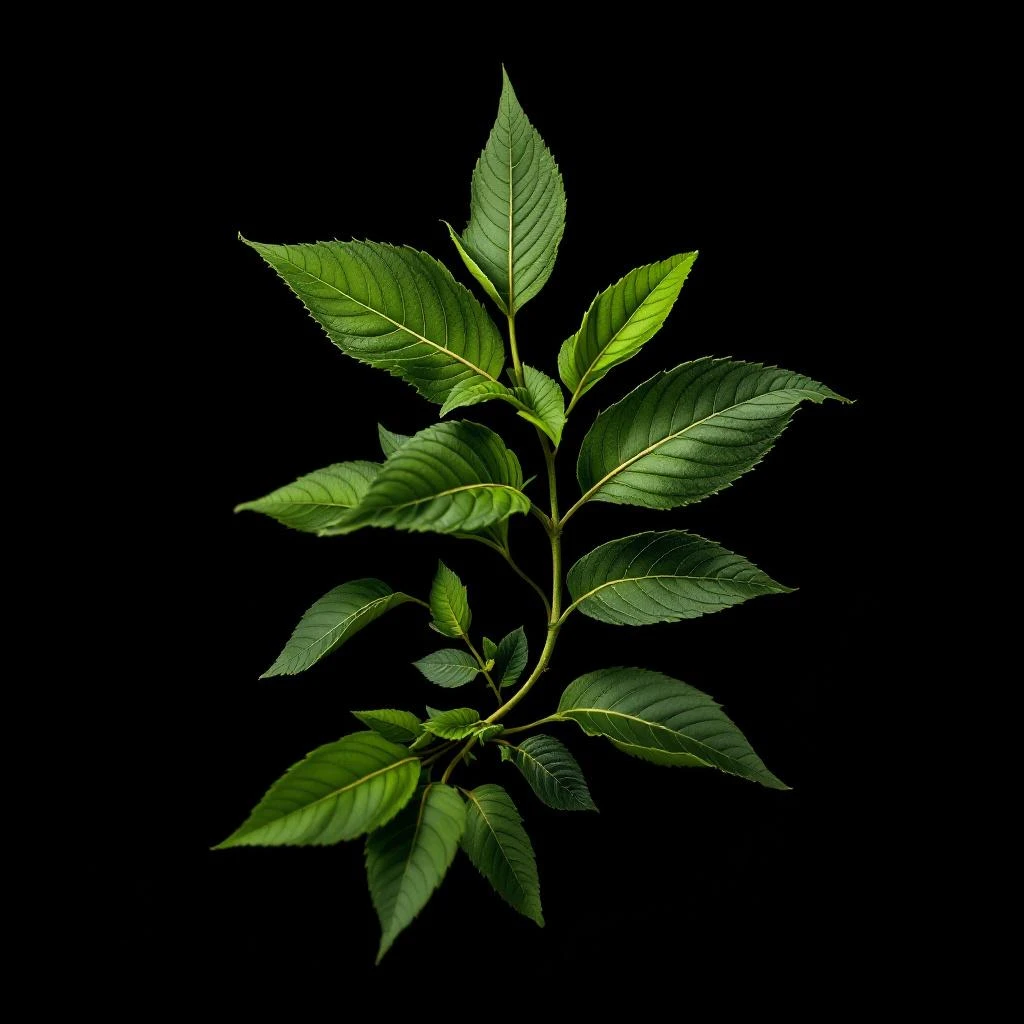
Prairie Grass
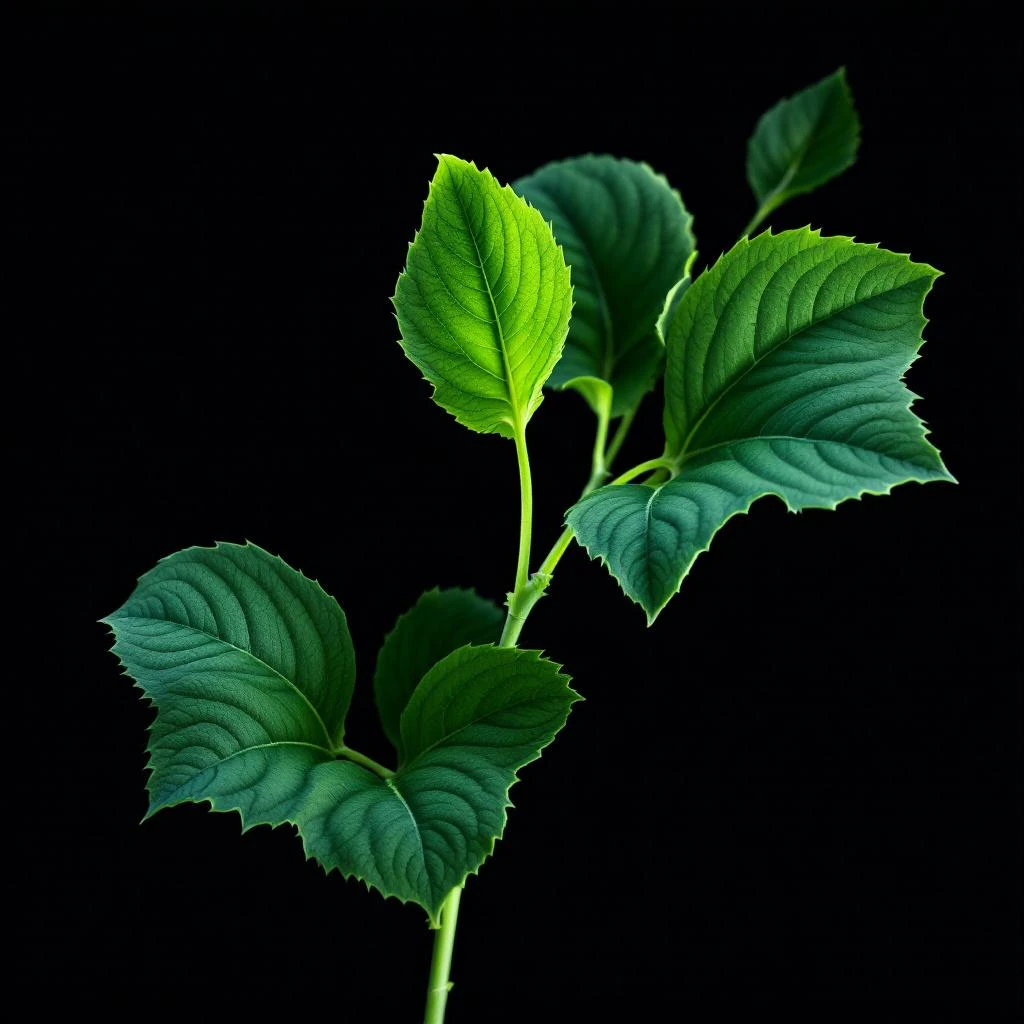
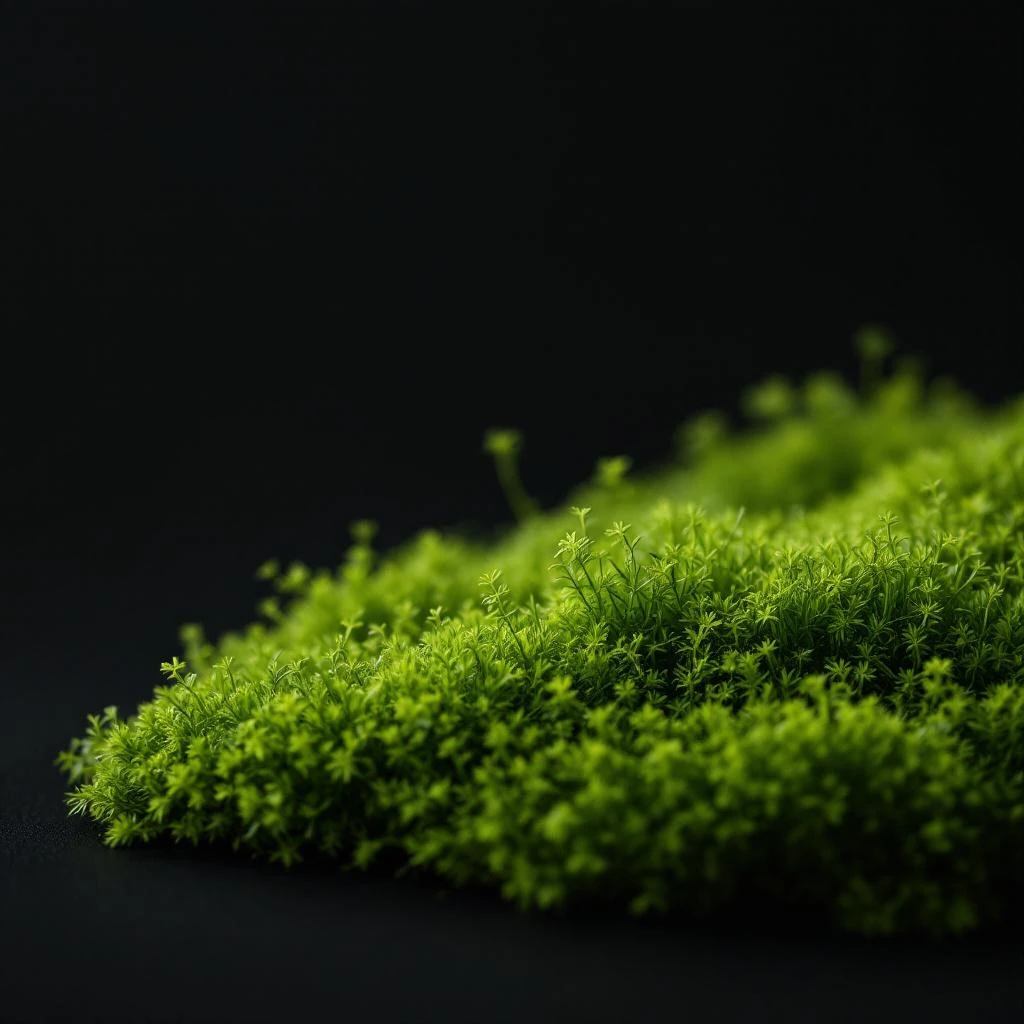
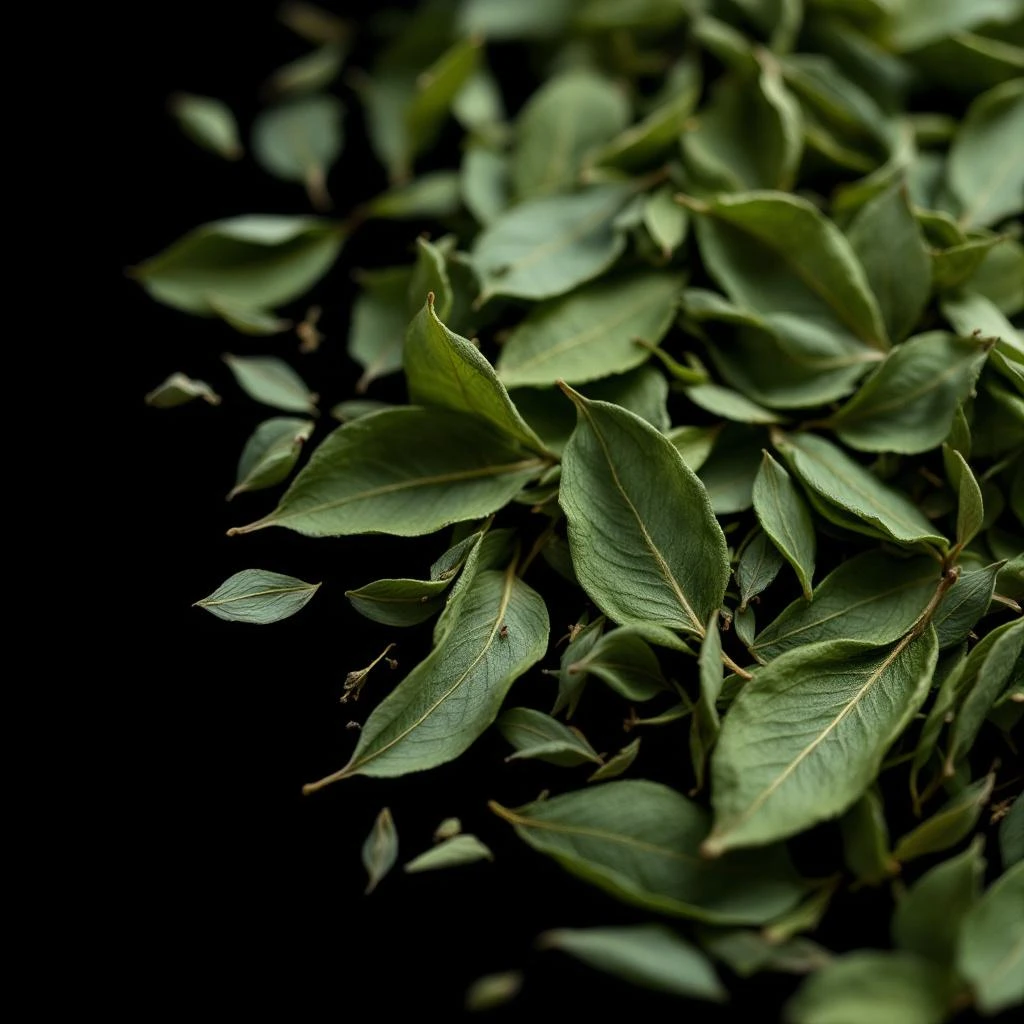
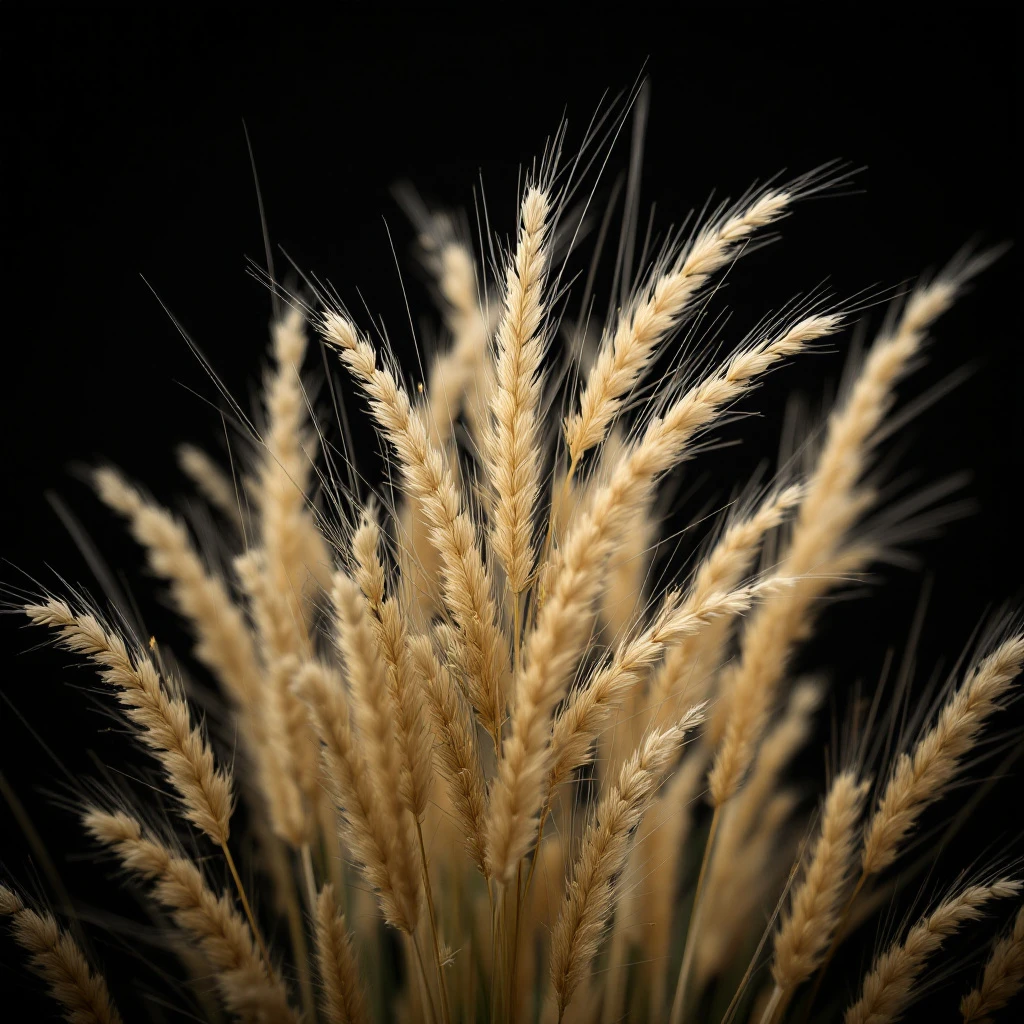
Prairie Grass captures the wide-open freshness of the American heartland. This note recreates the clean, sun-warmed scent of native grasses swaying across the Great Plains, blending immediate green brightness with deeper, hay-like warmth.
Character
How it smells
The scent of open skies and native plains.
The Great Plains once covered over 160 million acres of North America before agricultural conversion dramatically reduced native prairie grass ecosystems.



Origin
United States
The Great Plains once stretched across central North America, covering over 160 million acres of tallgrass prairie. Native grasses like big bluestem, little bluestem, and switchgrass dominated this landscape before agricultural conversion dramatically reduced their range. Indigenous peoples used these grasses for medicine, weaving, and ceremonial purposes, but commercial perfumery applications came much later.
Prairie grass as a distinct fragrance note emerged in the mid-20th century when American perfumers began exploring distinctly North American scent profiles. This movement reflected broader cultural interest in native botany and regional identity. The specific prairie grass aroma profile gained recognition as perfumers sought alternatives to European-inspired ingredients.
Today, prairie grass represents both a nostalgic connection to vanishing ecosystems and a modern approach to capturing regional character in fragrance.
Wears it best
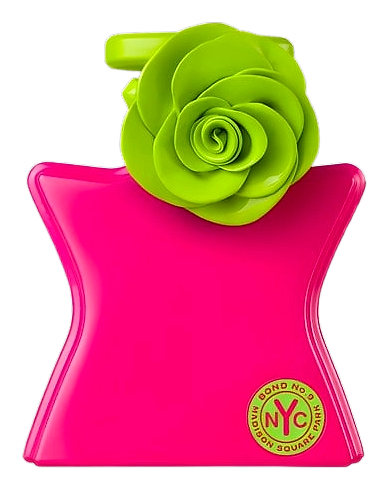
Fragrances featuring Prairie Grass
Good to know
Questions, answered
The essentials on Prairie Grass in perfumery: how it smells, where it comes from, and how it behaves on skin.
What does prairie grass smell like?
Prairie grass has a clean, green scent with the immediate freshness of cut grass combined with warmer, hay-like undertones. The overall effect evokes open spaces and natural landscapes rather than manicured lawns.
Is prairie grass a natural or synthetic ingredient?
Prairie grass typically exists as a reconstructed note blending natural isolates with synthetic aroma chemicals. Few commercial perfumery materials come from actual prairie grasses due to the rarity of these ecosystems.
What fragrances feature prairie grass?
Perfumers use prairie grass in fresh, green, and nature-inspired fragrances. It appears in many modern scents marketed as airy, outdoor, or American-themed compositions, often as a bridge between citrus and wood notes.
How does prairie grass differ from other grass notes?
Prairie grass offers a broader, more diffuse quality compared to sharp lawn grass or citrusy lemongrass. The note carries hay-like depth and a sense of open space rather than immediate green intensity.
What role does prairie grass play in fragrance composition?
Prairie grass works as a bridging note connecting top and heart notes while adding an airy, expansive quality. It provides natural authenticity to green and fresh fragrance families.
When did prairie grass enter Western perfumery?
Grass notes became common in the 20th century as fragrance families expanded. Prairie grass specifically emerged as a distinct category in mid-20th century American perfumery.
Can prairie grass notes be extracted from actual prairie plants?
True prairie grass absolute remains uncommon since most native prairie species are not commercially harvested. Reconstructed prairie grass captures the profile using related grasses and synthesized aromatic compounds.
What fragrance families pair well with prairie grass?
Prairie grass combines naturally with citrus, vetiver, cedar, wildflower, and light floral notes. These pairings enhance its fresh, outdoor character within fragrance compositions.