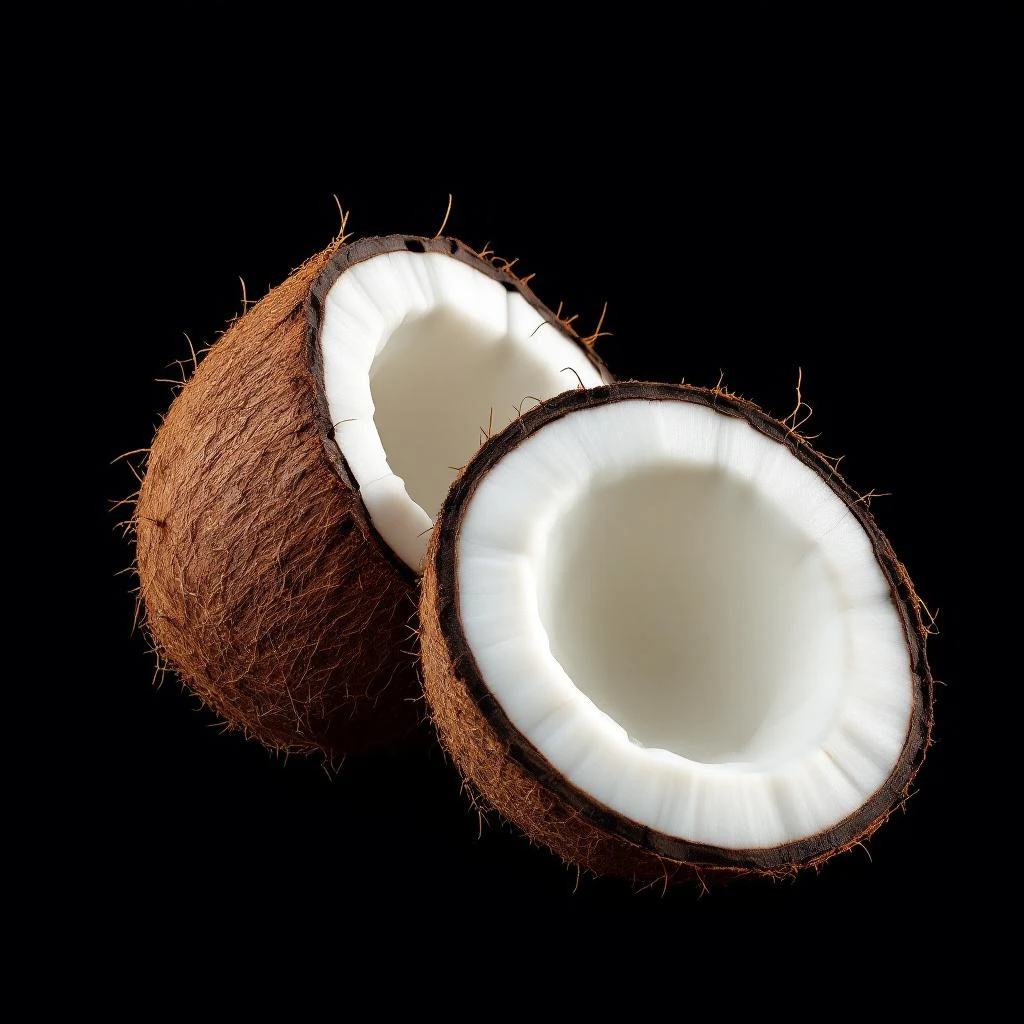
Pomegranate Nectar
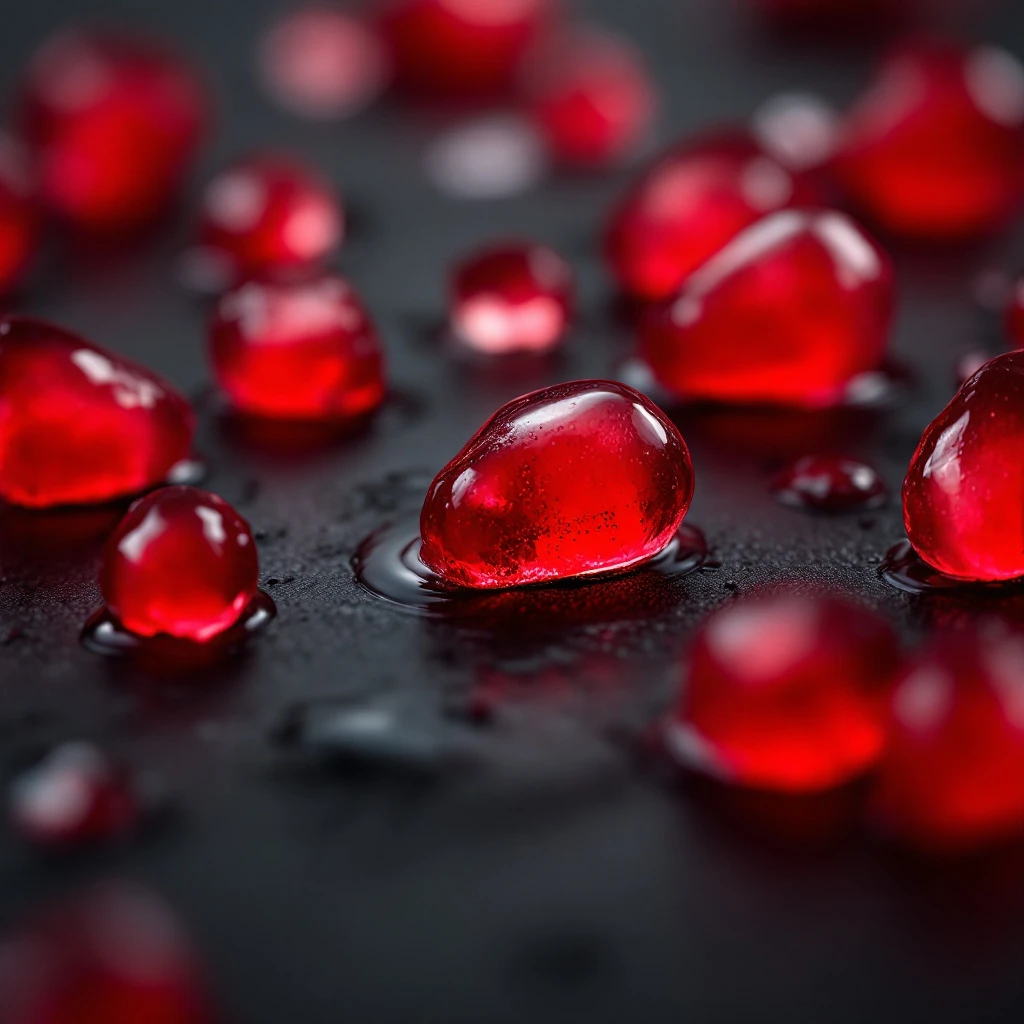
Pomegranate nectar captures the moment just before ripeness, a tart-sweet burst that sits between floral and fruit. Perfumers value its unique ability to add brightness without heaviness, bridging the gap between delicate florals and deeper gourmand notes.
Character
How it smells
Tart sweetness that lifts every composition.
The ancient Persians considered pomegranate a sacred fruit, planting it in temple gardens over 2,000 years ago.


Origin
Iran
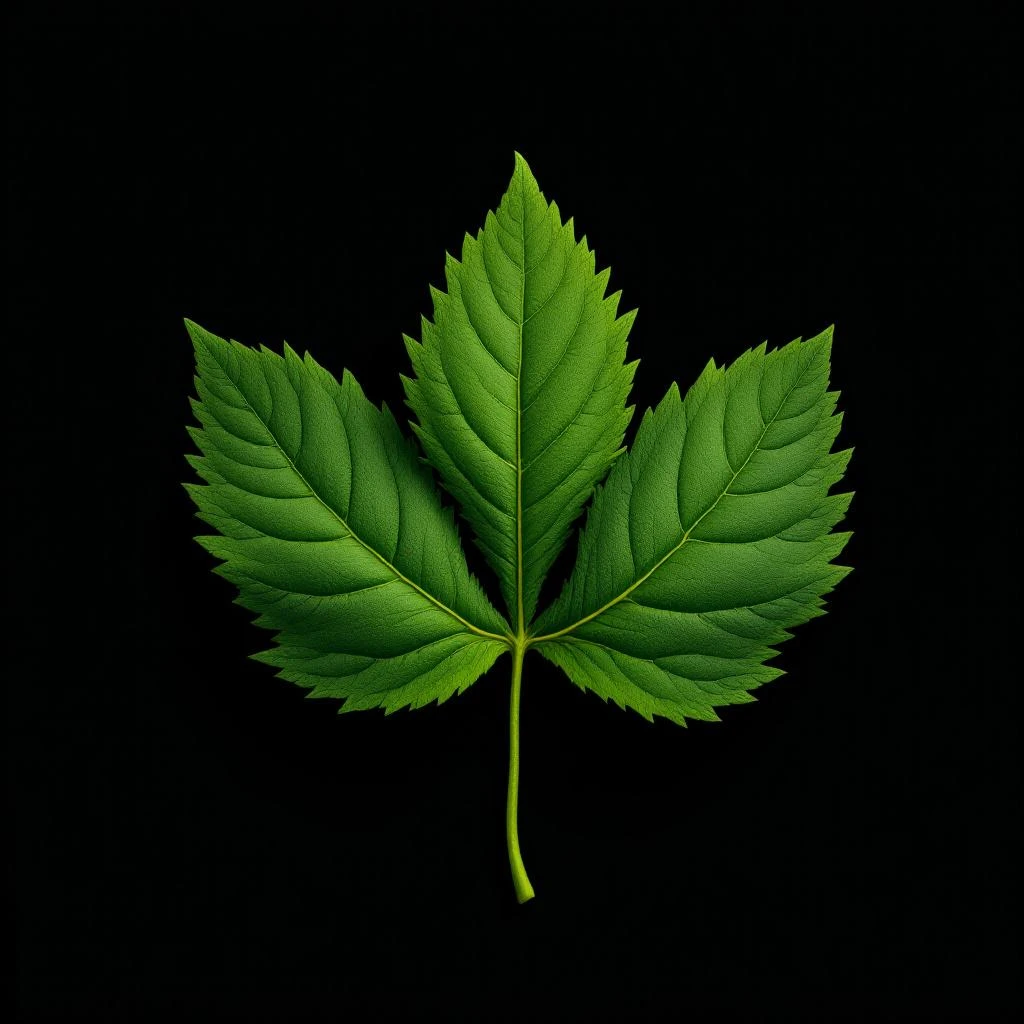
Pomegranate (Punica granatum) grew wild across the region spanning Iran to northern India before cultivation spread westward along trade routes. Ancient Egyptians used pomegranate in funeral rites, while Greeks associated the fruit with prosperity and fertility. The shrub's hardy nature made it valuable in arid regions where other fruit crops failed.
Mesopotamian perfumers likely experimented with early extraction methods on pomegranate, though written records from that period remain fragmentary. By the time Tapputi documented her perfume-making processes around 1200 BCE, fruit-based fragrance ingredients had become established components in the perfumer's palette, though none achieved the prominence of floral or resinous materials.
Wears it best
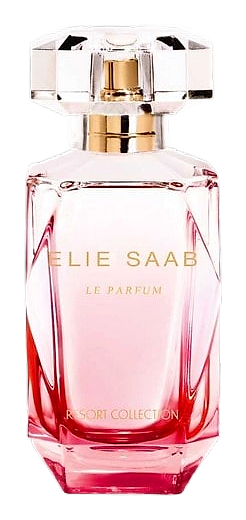
Fragrances featuring Pomegranate Nectar
Brands
Brands known for Pomegranate Nectar
Good to know
Questions, answered
The essentials on Pomegranate Nectar in perfumery: how it smells, where it comes from, and how it behaves on skin.
What does pomegranate nectar smell like in perfume?
Pomegranate nectar smells bright, tart-sweet, and juicy with subtle floral undertones. It reads as a modern fruit note that adds energy to fragrance openings without the heaviness of tropical fruits.
Is pomegranate nectar a natural or synthetic ingredient?
Both forms exist in perfumery. True pomegranate absolute comes from solvent extraction of the fruit, but most fragrances use nature-identical aromatic compounds that replicate the scent profile at lower cost.
What fragrance families pair well with pomegranate nectar?
Pomegranate nectar works across florals, chypres, and modern orientals. It complements rose, peony, and citrus while adding depth to woody or amber bases.
When did pomegranate become popular in perfumery?
Pomegranate emerged as a fragrance note in the early 2000s as consumers gravitated toward fresher, fruit-forward compositions. Its rise paralleled the broader trend toward bright, accessible scent profiles.
Does pomegranate add sweetness or tartness to fragrances?
It delivers both. The nectar captures the fruit's characteristic balance of sweet aril notes against a pleasantly sharp, almost aldehydic tartness that lifts the overall composition.
How long does pomegranate nectar last in a fragrance?
As a top-note material, pomegranate nectar typically lasts 30 minutes to two hours on skin. Fixatives like woods or musks help extend its presence in the dry-down.
What part of the pomegranate plant does the fragrance material come from?
Fragrance extraction focuses on the fruit peel and arils. Leaves and flowers produce different aromatic profiles and see limited use in commercial perfumery.
Can pomegranate be combined with other red fruits in perfumery?
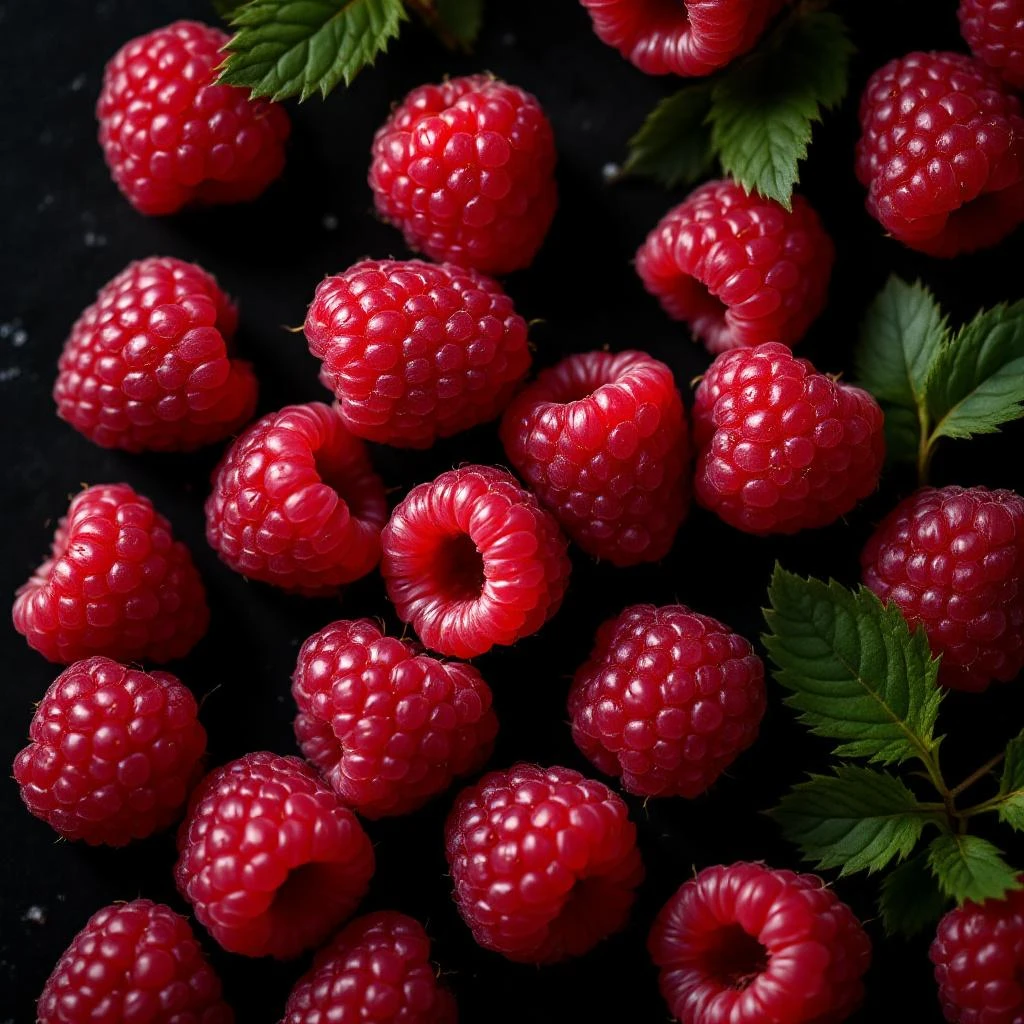
Pomegranate pairs naturally with raspberry, cherry, and red berries. It adds brightness to berry blends and provides a more sophisticated, less saccharine alternative to pure strawberry or raspberry accords.