Pink Lychee
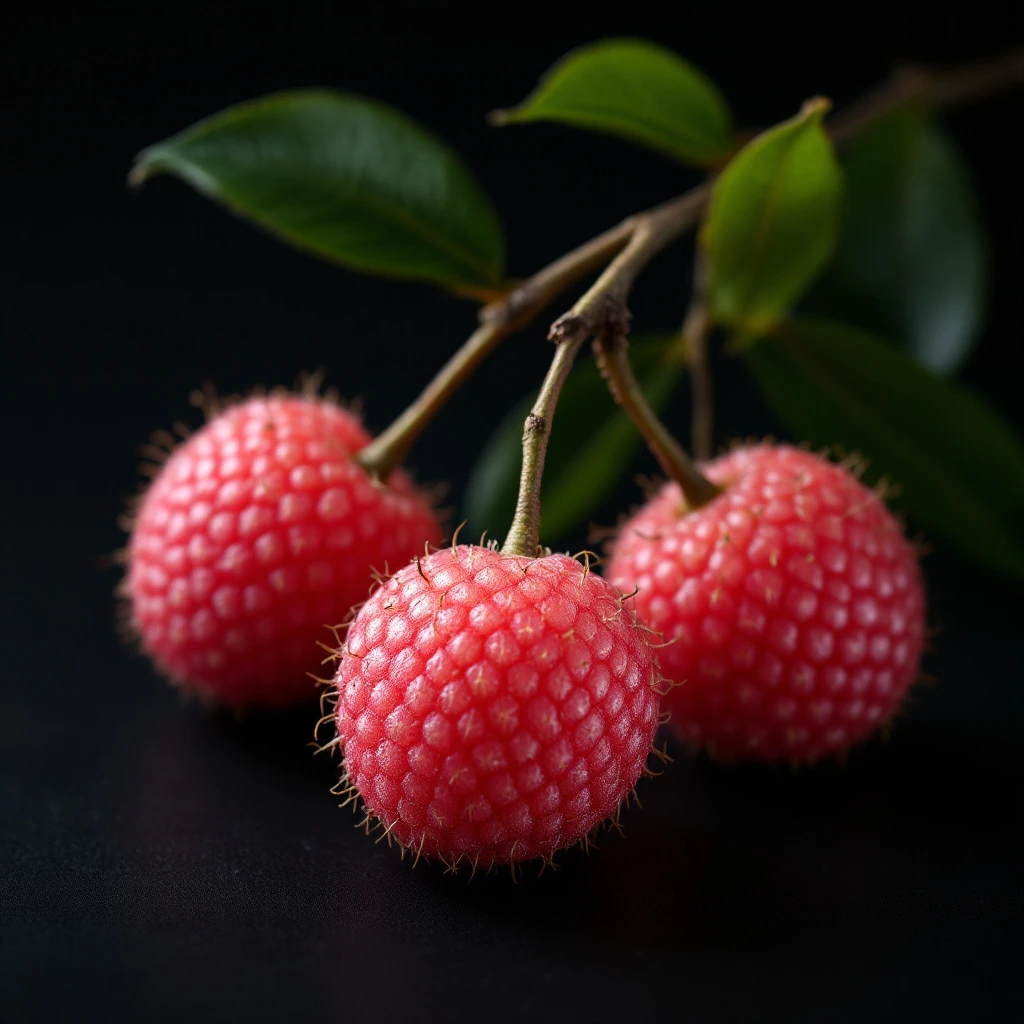
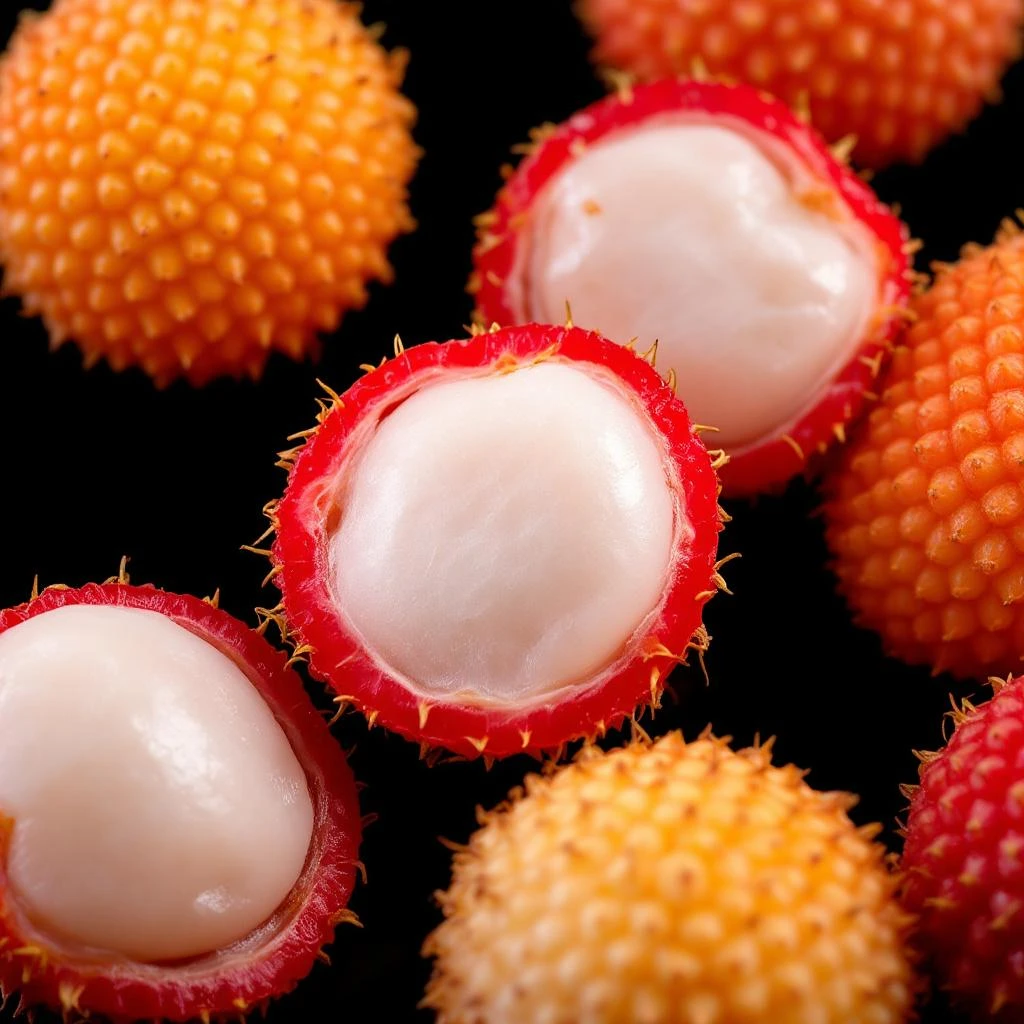
Pink lychee brings a sparkling, juicy sweetness to perfumery—a tropical fruit note that lifts compositions with luminous, playful brightness and a delicate floral whisper reminiscent of fresh-cut roses. Its synthetic origin is a quiet revolution in modern fragrance craft.
Character
How it smells
Tropical sweetness, laboratory-crafted.
No essential oil exists for lychee—the fruit's high water content makes natural extraction impossible, so perfumers rebuild its scent molecule by molecule in the lab.
Pairs beautifully with


Origin
China
Lychee (Litchi chinensis) has grown wild in the mountainous regions of Southern China for over two thousand years, with records of its cultivation dating to the Han Dynasty. The fruit earned imperial fame during the Tang Dynasty, when Emperor Xuanzong dispatched swift horsemen to deliver fresh lychees from Guangdong to his beloved consort Yang Guifei in Chang'an—poet Li Bai immortalized this in verse. By the Ming Dynasty, lychee trees dotted gardens across southern China, and traders carried dried fruit along the Silk Road.
The fruit arrived in Europe in the 17th century through Jesuit missionaries, and later in tropical colonies across Southeast Asia and Madagascar. Yet for all lychee's culinary prestige, Western perfumery barely noticed it until the late 20th century. When fruity, aldehydic compositions exploded in popularity during the 1990s, lychee entered the perfumer's palette as a fully synthetic note.
Thierry Mugler's Angel (1992) helped open the door to gourmand fruity chypres, and pink lychee soon followed as a staple in feminine florals and playful orientals alike. Today it bridges the gap between accessible sweetness and refined luxury.
Wears it best
Fragrances featuring Pink Lychee
Brands
Brands known for Pink Lychee
Good to know
Questions, answered
The essentials on Pink Lychee in perfumery: how it smells, where it comes from, and how it behaves on skin.
What is pink lychee in perfumery?
Pink lychee is a synthetic fragrance note that reproduces the sweet, juicy scent of fresh lychee fruit. Perfumers construct it from aroma molecules like cis-rose oxide and fruity esters, creating a sparkling, tropical sweetness used widely in feminine and contemporary fragrances.
Why is lychee a synthetic note in perfumery?
Natural lychee essential oil cannot be produced. The fruit's flesh is roughly 81% water, and its aroma compounds are thermally unstable, breaking down before extraction is possible. Perfumers rebuild the scent entirely from laboratory-synthesized molecules.
What does pink lychee smell like?
Pink lychee reads as sweet, juicy, and tropical with a translucent brightness. It carries a delicate floral whisper reminiscent of rose water, underscored by faint grape and citrus notes. The overall impression is refreshing, clean, and ravishingly natural despite its synthetic origins.
What molecule gives pink lychee its distinctive character?
Cis-rose oxide is the defining molecule. It contributes the rose-water and subtly grape-like nuance central to lychee's identity. Blended with fruity esters, it produces a convincing lychee accord that reads as fresh-cut fruit rather than candy.
Is pink lychee different from regular lychee?
They are the same synthetic note. 'Pink' is a marketing and creative choice, evoking the fruit's blush-red skin and adding a soft, romantic connotation. The underlying chemistry is identical.
Which fragrance families use pink lychee most?
Pink lychee appears across feminine florals, fruity chypres, and gourmand oriental compositions. It works especially well in rose-forward fragrances, sparkling florals, and fresh fruity blends where it adds immediate sweetness and tropical lift.
What ingredients pair well with pink lychee?
Rose and lychee share cis-rose oxide, making them natural partners. Bergamot, jasmine, peony, magnolia, and white musk amplify its freshness. Deeper pairings with sandalwood, amber, or vanilla add warmth and longevity to lychee-heavy compositions.
When did lychee first appear in Western perfumery?
Lychee entered Western fragrance in the 1990s alongside the rise of fruity-gourmand compositions. The 1992 launch of Thierry Mugler's Angel, with its fruity aldehydic structure, helped normalize exotic fruit notes. Lychee became a recurring feature in women's fragrances from the mid-1990s onward.