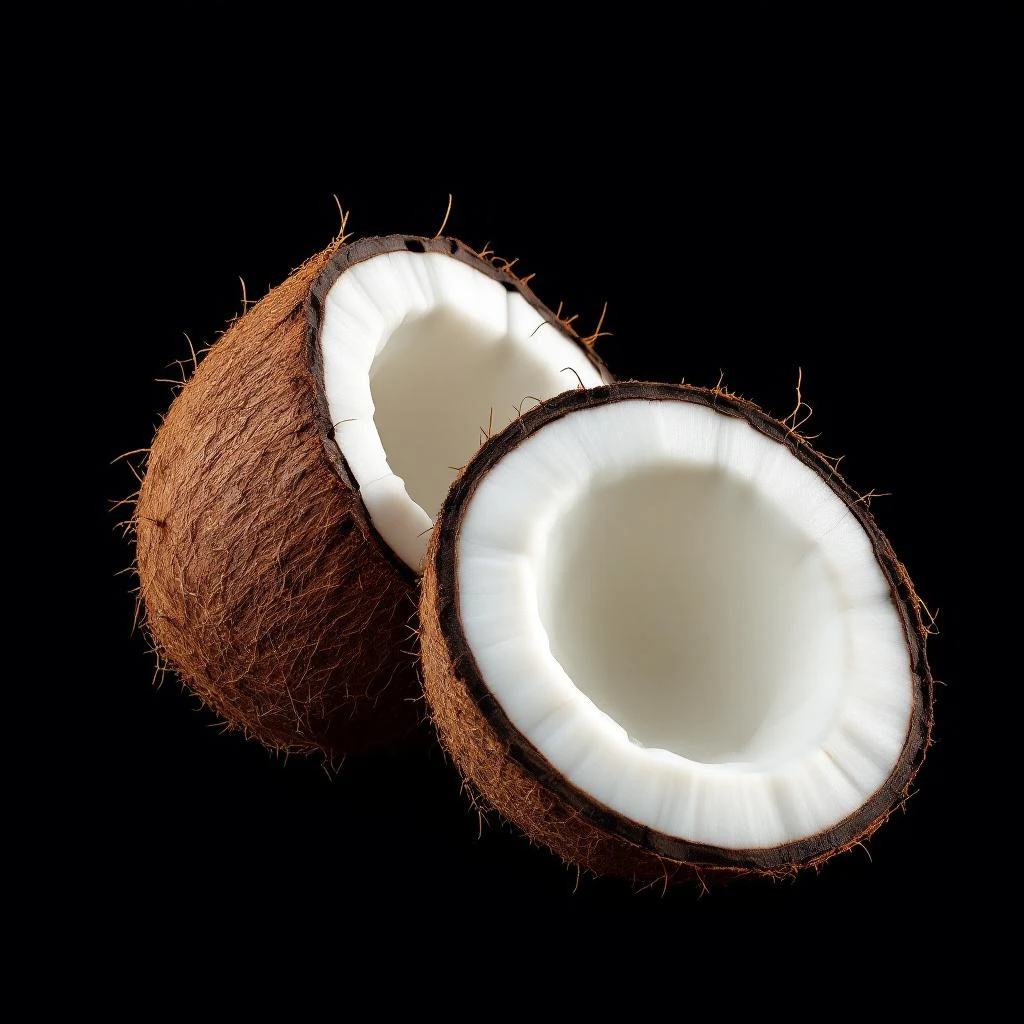
Pink Currant
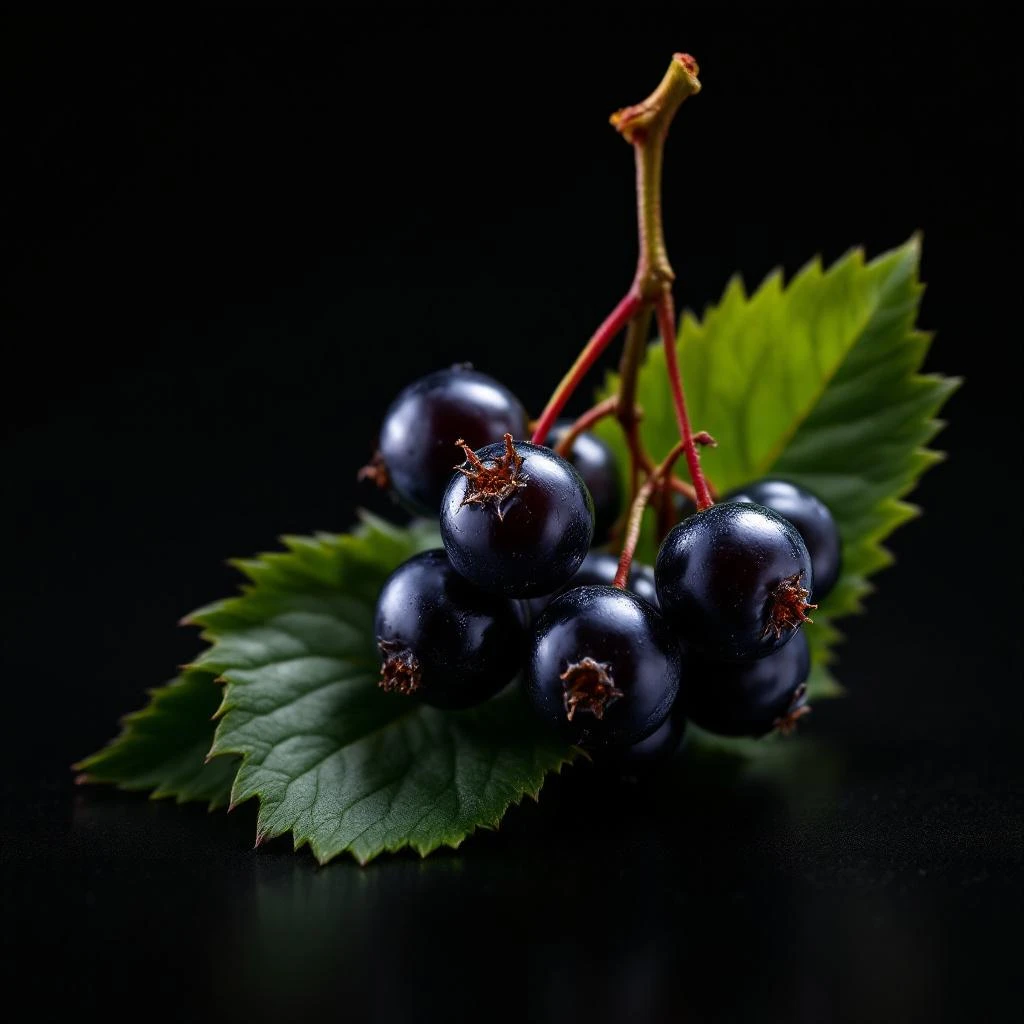
Pink currant brings a delicate tartness and whisper-sweet berry brightness to fragrance compositions, a note that bridges the boldness of black currant and the subtlety of rose. Often crafted through synthesis, it captures the most refined facets of currant character.
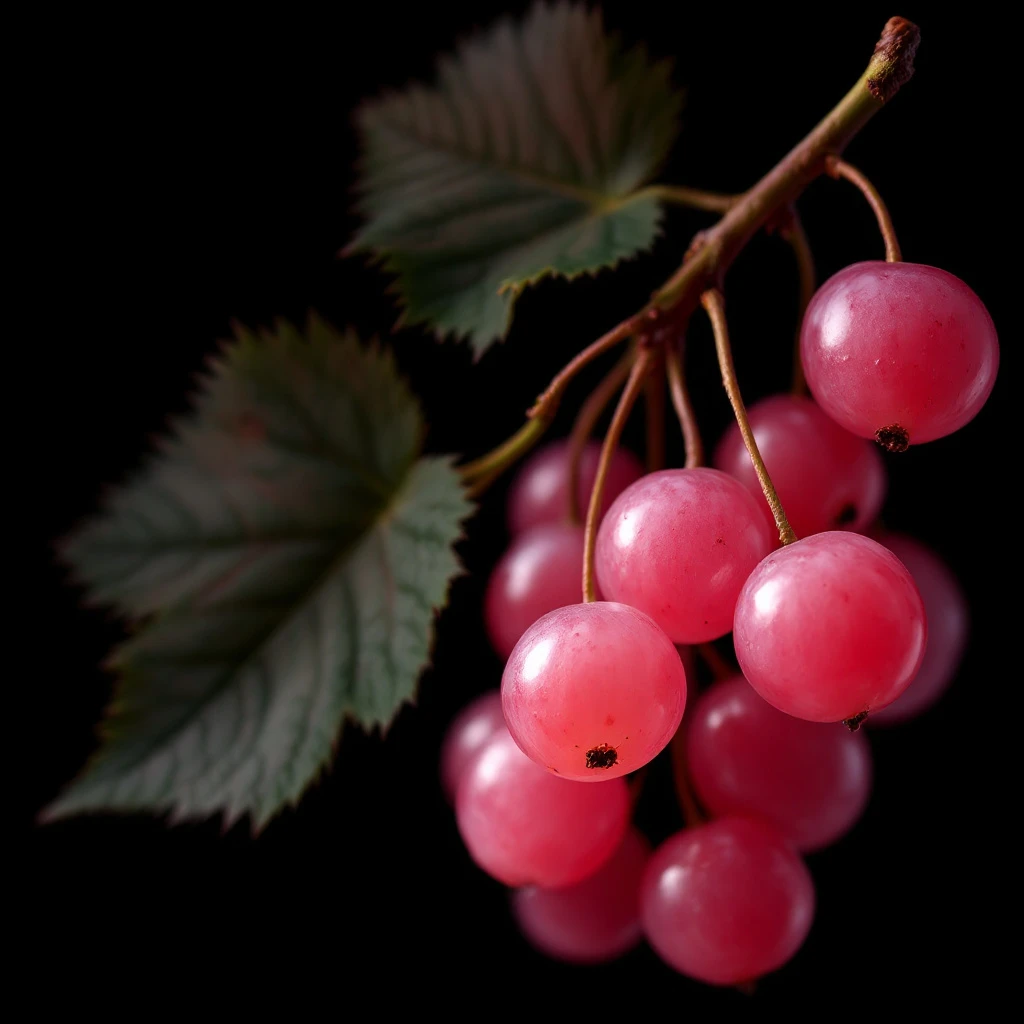
Character
How it smells
The subtlest berry in perfumery's palette.
Pink currant contains fewer tannins than its red and black cousins, giving it a gentler, almost floral tartness rarely found in nature.
Pairs beautifully with

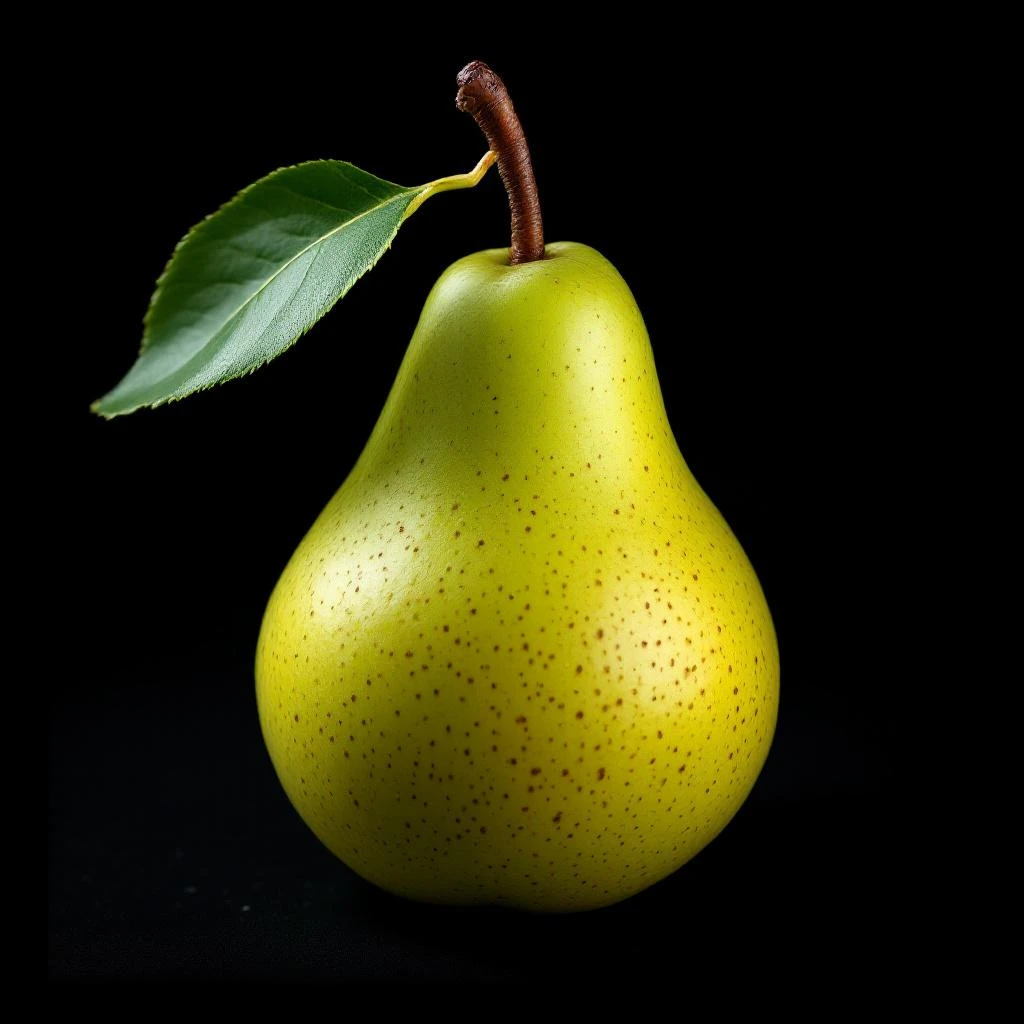
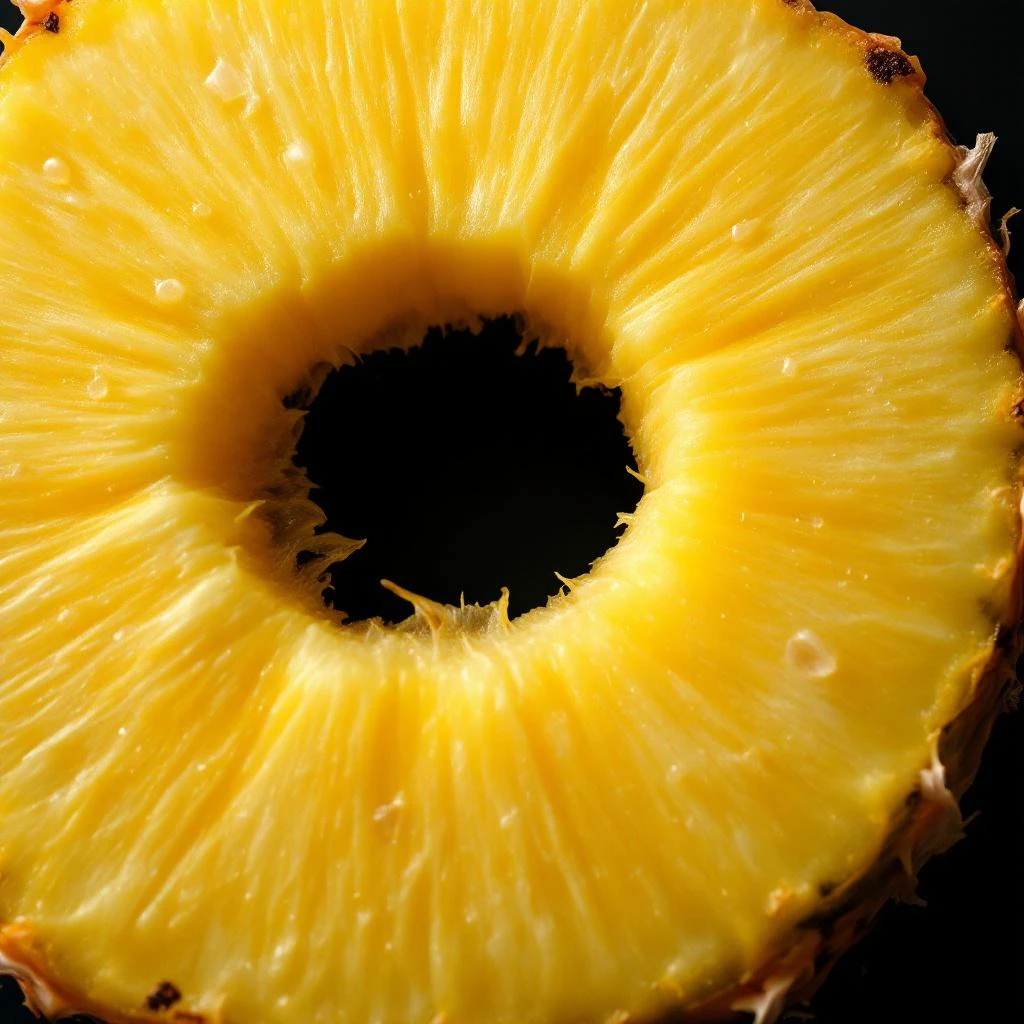
Origin
Switzerland
While black currant has a documented perfumery history dating to 1841 and the Burgundy region of France, pink currant occupies a more recent and subtle niche in fragrance history. Currants themselves have ancient European roots, growing wild across northern regions for centuries before cultivation began. The pink variety emerged as a horticultural curiosity, valued more for its milder flavor than aromatic intensity.
Perfumery's interest in pink currant developed alongside the rise of fruity notes in late 20th-century fragrance design, when chemists learned to isolate and replicate the specific thiol compounds that give currants their distinctive character. Unlike black currant, which has a dedicated absolute and concrete from the leaves and buds, pink currant remained primarily a creation of the laboratory, valued for its restraint and ability to add depth without dominating a composition.
Wears it best
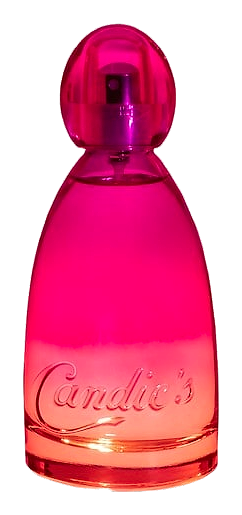
Fragrances featuring Pink Currant
Brands
Brands known for Pink Currant
Good to know
Questions, answered
The essentials on Pink Currant in perfumery: how it smells, where it comes from, and how it behaves on skin.
Is pink currant natural or synthetic in perfume?
Pink currant is almost exclusively synthetic in perfumery. The volatile aroma compounds in pink currant berries are too delicate and present in too low a concentration for viable natural extraction.
How does pink currant differ from black currant in fragrance?
Pink currant delivers a gentler, sweeter tartness compared to black currant's bold, cassis-like intensity. It adds brightness without dominating a composition, making it useful for subtle fruity effects.
What aroma molecules define pink currant?
The characteristic pink currant aroma comes from specific thiols and esters, particularly 4-methoxy-2-methylbutan-2-thiol, which provides the distinctive berry thiol note found across the currant family.
Can pink currant be extracted from the actual berries?
Technically possible but not commercially practiced. The yield of aromatic compounds from pink currant berries is too low to make natural extraction economically viable or aromatically consistent.
What fragrances typically use pink currant?
Pink currant appears in many modern florals and fruity compositions as a supporting note, often combined with rose, peony, or other berries to add brightness and lift without heaviness.
When did synthetic currant notes become common in perfumery?
The synthetic currant category developed alongside fruity fragrance trends in the late 20th century, as chemists learned to replicate the specific thiol compounds that define black, red, and pink currant aromas.
Does pink currant smell like the actual fruit?
The synthetic version captures the most pleasant aspects of pink currant, focusing on the gentle tartness and faint sweetness while filtering out vegetal or overly acidic notes present in the real fruit.
Is pink currant the same as red currant in perfumery?
Not exactly. While both belong to the Ribes genus, pink currant varieties tend to have milder, sweeter profiles. In perfumery, pink currant notes are typically formulated to emphasize subtlety and refinement.